Injection Molding: Process, Cost, and Mold Design Points That Matter on the Shop Floor
October 01, 2026
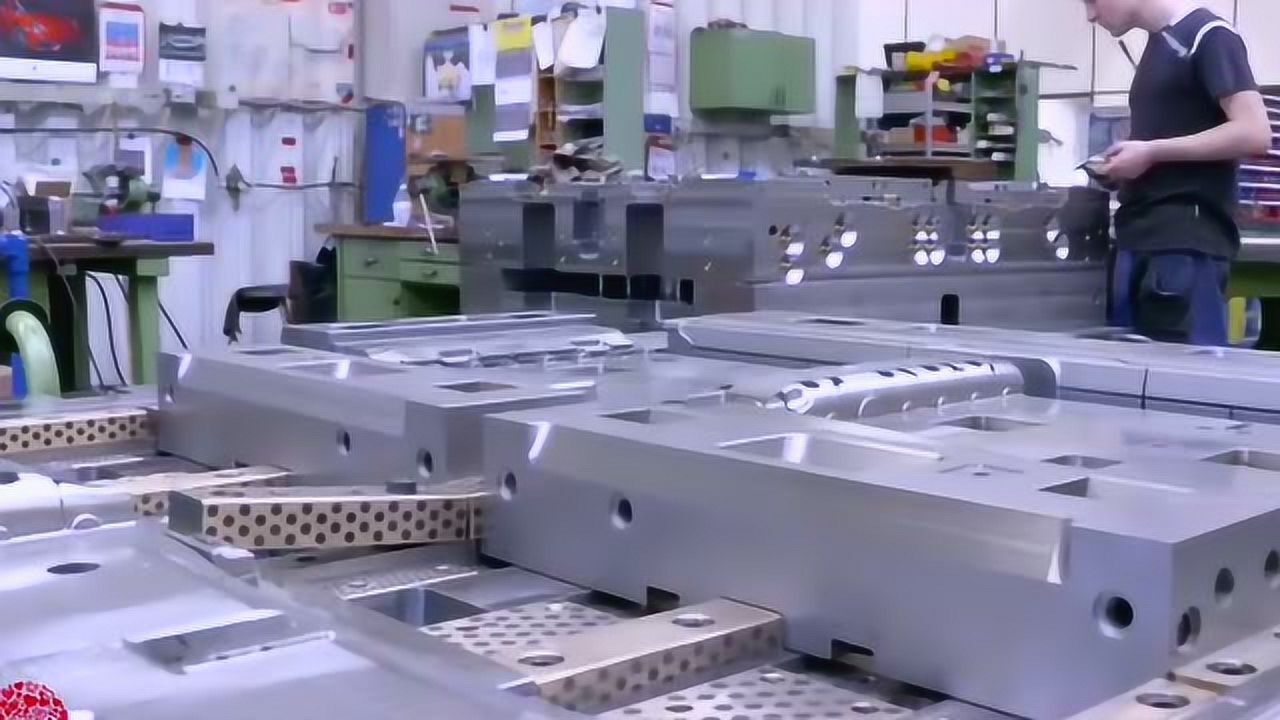
Injection molding is never just about filling a cavity. From a mold engineer's perspective, the first thing to lock down is the processing window: melt temperature, injection pressure, holding time, and cooling time all influence shrinkage and warpage. For common commodity resins like ABS and PP, molders typically run melt temperatures around 220–260°C and 200–230°C respectively, but the real constraint is often the mold itself. Gate location, runner balance, and cooling channel layout determine whether you get a stable process or a scrap-rate nightmare. A well-designed 1x4 family mold with conformal cooling can cut cycle time by 15–20% compared to a conventional straight-drilled layout, simply because heat removal becomes uniform.
Mold structure decisions directly drive cost. A two-plate mold with a standard edge gate is cheap to build, but if the part has undercuts, you're looking at sliders or lifters—each adding roughly $1,500–$3,000 to tooling cost and introducing maintenance points. Hot runner systems eliminate runner waste and improve cycle consistency, but they add $4,000–$10,000 depending on cavitation. On the production side, common defects like short shots, flash, and sink marks usually trace back to three things: insufficient venting, unbalanced filling, or inadequate holding pressure. In my experience, adding proper venting at the last-fill location solves more flash and burn issues than tweaking injection speed alone.
Cost breakdown for a typical injection-molded part runs roughly 40–60% material, 15–25% machine time, 10–20% mold amortization, and the rest labor and overhead. The biggest lever you have early on is part design—wall thickness uniformity, draft angles, and rib-to-wall ratios. Get those right, and the mold becomes simpler, the cycle gets shorter, and the scrap rate drops. For more mold sourcing and technical resources, visit MoldWorld at www.moldw.com.