Mold Classification and Machining Basics: What Every Engineer Should Know Before Quoting
October 01, 2026
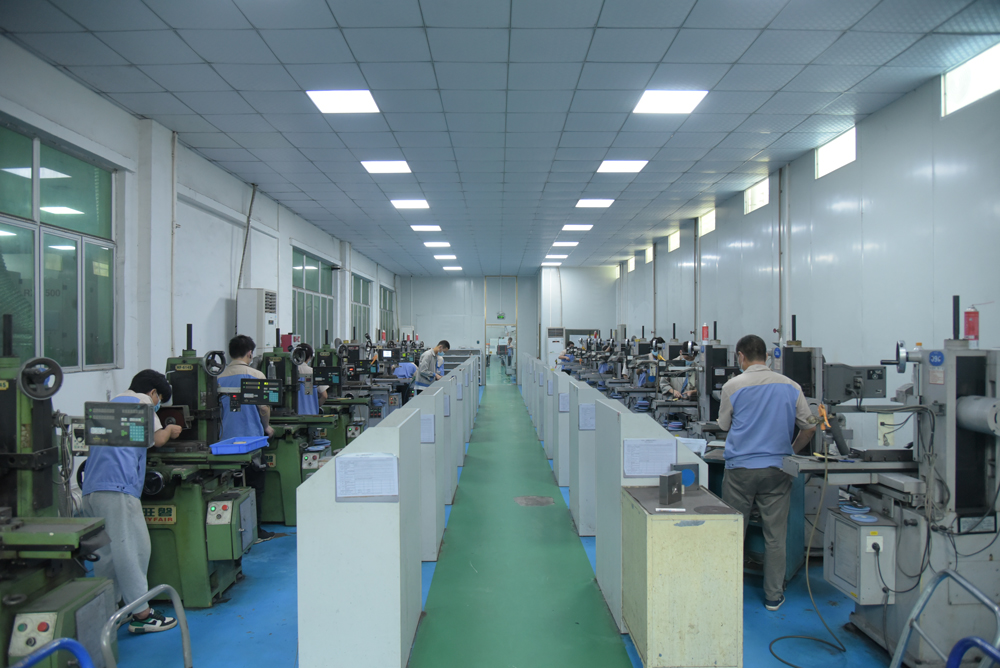
When I first started quoting molds, I made the mistake of treating every project the same. Then a veteran toolmaker set me straight: before you can price anything, you need to know which of the two major mold families you're dealing with — metal processing molds and non-metal/powder metallurgy molds. That single distinction determines the steel grade, the machining route, and ultimately your quote. On the metal side, you're looking at stamping dies, forging dies, die-casting dies, and extrusion dies. Each one brings its own tooling requirements. A progressive stamping die for 1.5mm cold-rolled steel, for example, typically calls for SKD11 or Cr12MoV inserts, wire EDM for the punch and die profiles, and jig grinding to hold clearances in the 0.02–0.05mm range per side. Get that clearance wrong and you'll be re-cutting inserts before the first production run.
Non-metal and powder metallurgy molds behave very differently on the shop floor. Plastic injection molds dominate this category, and here the steel selection often leans toward P20 for low-volume runs or 718H and S136 for higher cavitation counts and corrosive resins. A 16-cavity hot-runner mold for ABS parts will usually require CNC roughing, heat treatment to around 48–52 HRC on core and cavity inserts, then high-speed finishing followed by mirror polishing on visible surfaces. Powder metallurgy compaction dies are a different animal altogether — they demand carbide inserts and tight dimensional control because the die must survive hundreds of thousands of compaction cycles without wall wear exceeding a few microns. In my experience, the machining hours on a PM die can easily exceed those of a comparable injection mold, even though the cavity geometry looks simpler on the drawing.
So when a customer sends over a part drawing and asks for a price, the first question isn't "how big is it?" — it's "what type of mold does this need?" That answer alone narrows your material list, your machining sequence, and your tolerance budget. If you're sourcing molds or trying to benchmark quotes across suppliers, having a clear classification framework saves you from comparing apples to oranges. For more mold sourcing information and supplier listings, visit MoldWorld at www.moldw.com.