Stamping Process Breakdown: 10 Key Motions from Forming to Separation
September 30, 2026
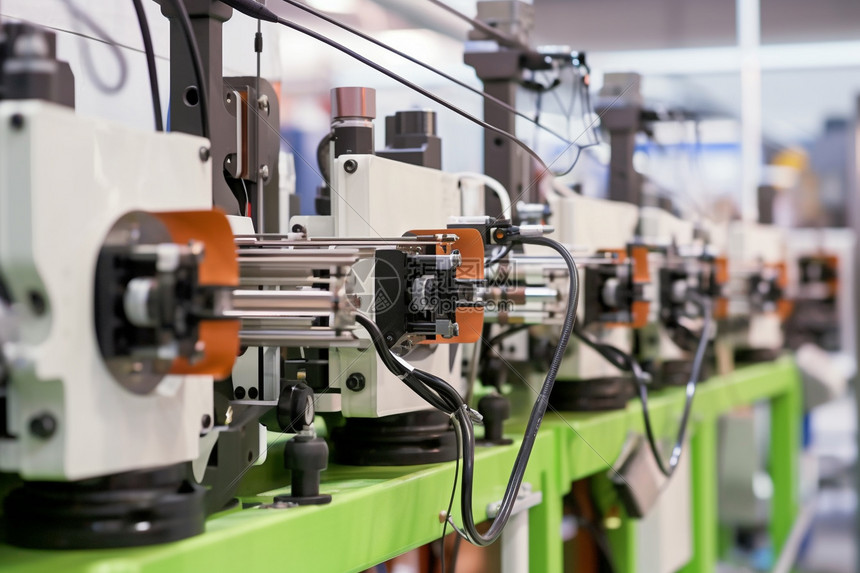
In stamping, a press and die apply external force to sheet, strip, tube, or profile stock, causing plastic deformation or separation to achieve the required shape and size. The core operations are blanking, bending, deep drawing, and forming. From a die maker's perspective, blanking clearance is critical—typically 5–10% of material thickness per side, depending on stock and thickness. Too little clearance accelerates punch wear and produces secondary shear; too much causes heavy burrs and rollover. For bending, springback compensation must be built into the tool: overbend the punch by 2–5° or add a bottoming step, especially on high-strength steel where springback can exceed 10°. Die radius should be at least 1× material thickness to avoid cracking on the outside bend.
Deep drawing is where die design gets demanding. Draw ratio (blank diameter to cup diameter) should stay under 2.0 for a single draw in mild steel; higher ratios need multiple draws with intermediate annealing. Die radius on the draw ring typically runs 4–8× material thickness, while punch nose radius is 3–5×. Blank holder force must be tuned—too low causes wrinkling, too high tears the cup wall. For forming operations like flanging, embossing, or coining, local material flow matters: coining pressures can reach 2–3× the yield strength, so die inserts often need tool steel at 58–62 HRC with PVD coating to survive. Lubrication selection also changes with operation—chlorinated oils for heavy drawing, lighter films for blanking.
In practice, the difference between a stable stamping die and a problematic one usually comes down to clearance control, springback allowance, and surface treatment on working surfaces. A well-built progressive die running 300–600 strokes per minute demands consistent strip feeding, precise piloting, and reliable slug evacuation—any of these off by a few hundredths of a millimeter shows up as burrs, cracks, or die damage within hours. For more mold sourcing information, visit MoldWorld at www.moldw.com.