Mold Basics Every Engineer Should Know: From Classification to Quotation
September 30, 2026
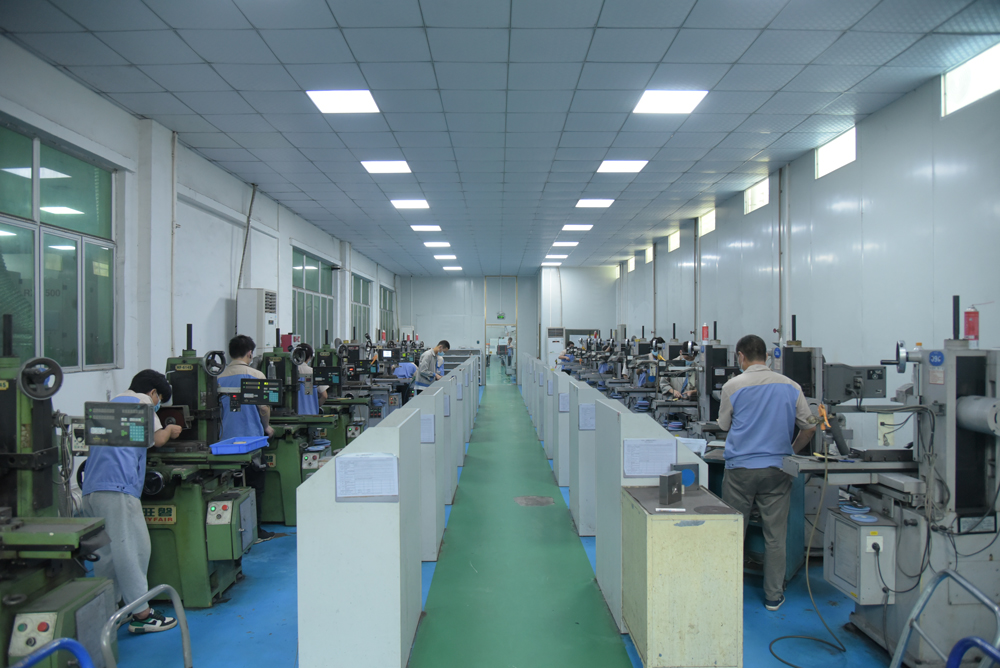
When I quote a new tool, the first thing I do is classify it, because that single decision drives everything downstream — steel selection, lead time, and price. Injection molds dominate the plastics side, but you also have blow molds, compression molds, and die-casting dies for metal, plus stamping and forging dies. A two-plate mold with a simple side-gate might run a few thousand dollars, while a hot-runner, three-plate system with sliders and lifters can easily jump past $30,000. The structure matters too: cavity and core, runner system, ejection, cooling layout, and the mold base. Skip the cooling analysis and you will pay for it in cycle time — I have seen a 2°C imbalance add 3 seconds to a 20-second cycle, which kills margin on a high-volume job.
Quotation is not guesswork. I break it into material cost, machining hours, standard components, and tryout. A typical 1x2 ABS part with a 300-ton press might need P20 steel, about 40 hours of CNC and EDM, and a $1,200 mold base. Add 15–20% for risk on deep ribs or tight tolerances under ±0.05 mm. Always ask the customer for the annual volume and resin — a 10,000-shot run does not justify H13, but a glass-filled nylon at 500,000 shots will destroy anything less. Also factor in texture, gate location, and whether you need a hot runner controller. These details separate a profitable quote from a break-even one.
At the end of the day, mold work rewards the engineer who reads the part print carefully and asks the right questions before cutting steel. Keep your classification sharp, your cost breakdown honest, and your tryout time realistic. For more mold sourcing and supplier comparisons, visit MoldWorld at www.moldw.com.