Mold Basics: From Classification to Quotation
September 30, 2026
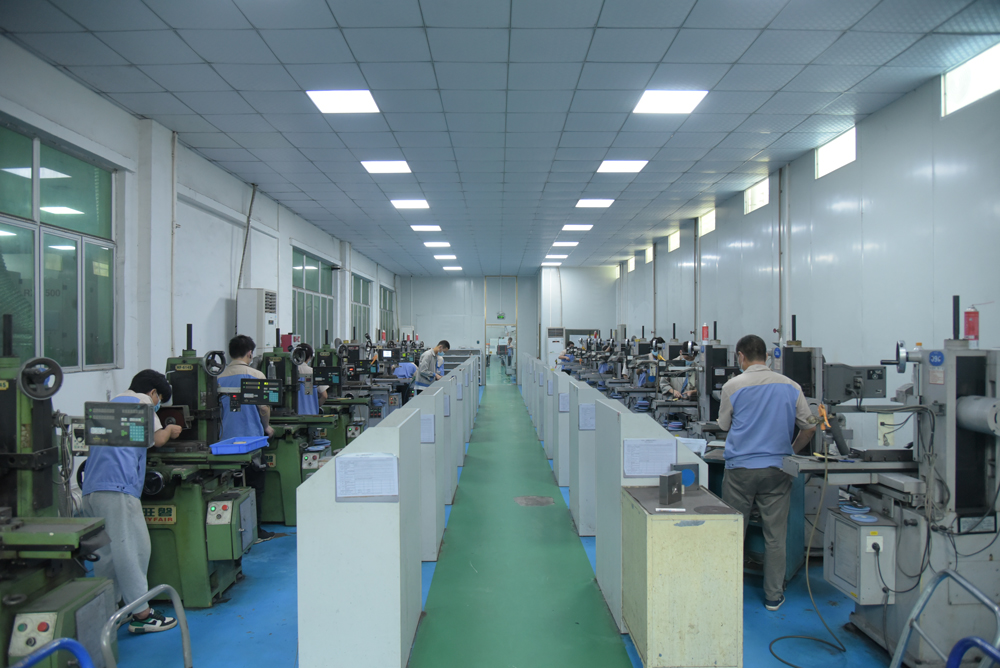
In industrial production, molds are the core tooling for injection molding, blow molding, extrusion, die casting, forging, smelting, and stamping. They directly determine part precision and mass-production efficiency. From a shop-floor perspective, the first classification split is by process: injection molds for thermoplastics, blow molds for hollow parts, extrusion dies for profiles and sheet, die-casting dies for aluminum/zinc/magnesium, forging dies for hot and warm metal forming, and stamping dies for sheet metal. Each family has its own steel selection, heat treatment, and tolerance philosophy. For example, a die-casting die usually runs H13 with nitriding, while a high-volume injection mold may use pre-hardened P20 or hardened 1.2344 depending on abrasive fillers and cycle targets.
When it comes to quotation, mold engineers look at more than cavity count. The real cost drivers are part geometry, wall thickness, draft, undercuts, surface finish, steel grade, mold base size, slider/lifter count, hot runner vs. cold runner, and expected life in shots. A simple two-plate cold-runner mold with a single cavity may quote at a baseline, but adding a hot runner, multi-cavity layout, or complex cooling can raise tooling cost significantly. Machining hours, EDM, wire cut, polishing, and trial runs all feed into the final number. In practice, a 1x1 prototype mold and a 16-cavity production mold for the same part can differ by several times in price, even before steel upgrades.
For buyers, the practical takeaway is to quote with a clear specification: resin or alloy, annual volume, target cycle time, mold life, and quality standard. That prevents surprises in steel, runner design, and maintenance. A mold is not just a piece of tooling; it is a production asset whose payback depends on uptime, cycle consistency, and spare-part availability. If you need mold sourcing or want to compare qualified tooling suppliers, visit MoldWorld at www.moldw.com for more mold sourcing information.