Is Die Casting Worth the Tooling Investment? A Mold Engineer's Cost and Precision Breakdown
September 29, 2026
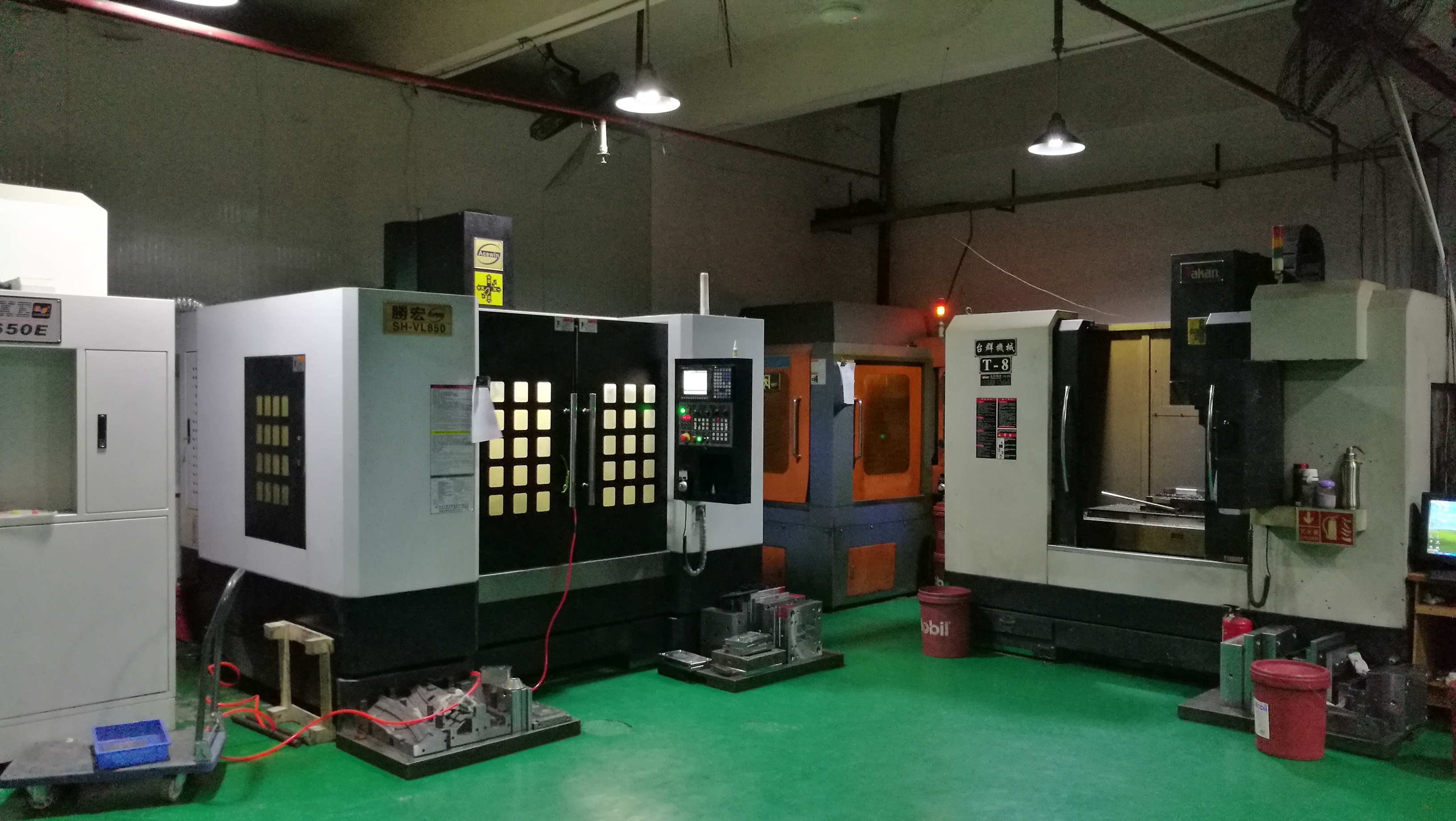
When a customer asks whether die casting is worth opening a mold for, my first answer is always: it depends on volume, wall thickness, and how complex the part geometry is. Die casting shines for thin-wall, complex components produced in large batches—think housings, brackets, and structural parts where you need tight dimensional consistency at speed. But the tooling cost is real. A typical die casting mold runs from tens of thousands to hundreds of thousands of dollars depending on cavity count, part size, and steel grade. If your annual volume sits below 10,000 pieces, that amortized tooling cost per part can easily kill the business case. I've seen quotes where the mold cost alone added $4–$8 per unit at low volumes, versus cents at high volumes.
Porosity is the other elephant in the room. Unlike plastic injection, die casting traps gas during the shot, and those micro-voids show up after machining or leak testing. For cosmetic or pressure-tight parts, you need vacuum-assist or squeeze casting, which adds tooling complexity and cycle time. From a quoting standpoint, I always separate mold cost, piece price, and secondary operations—deburring, machining, impregnation—so the customer sees the full picture. Don't bury porosity risk in a single line item. If the part needs leak-tight performance, say so upfront and budget for it. Also factor in die life: a well-maintained H13 die might give 100,000–150,000 shots before major rework, and that replacement cycle belongs in your cost model.
My rule of thumb: if the part is thin-walled, geometrically complex, and you're looking at 20,000+ pieces per year, die casting usually wins over CNC or sand casting. Below that, think twice. Run the numbers with real cycle times, scrap rates, and post-processing, not just the mold invoice. For mold sourcing and supplier comparisons, visiting MoldWorld (www.moldw.com) can help you benchmark quotes and find shops that actually understand die casting tolerances.