Die Casting: Three Pillars of Process Control and Mold Design
September 29, 2026
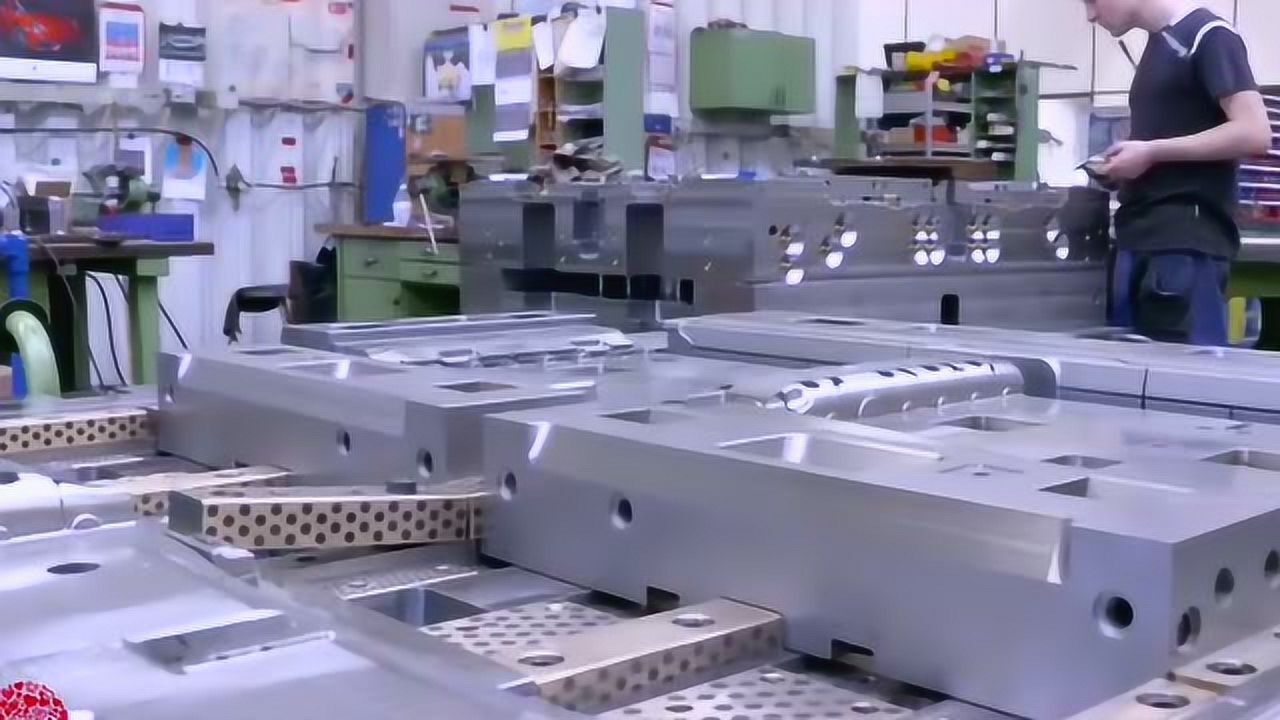
In die casting, the machine, the mold, and the alloy form an inseparable trio. If any one of them underperforms, defects will follow—porosity, cold shuts, flash, you name it. From a mold engineer's perspective, the mold often gets blamed first, but the root cause may actually lie in machine settings or alloy chemistry. For instance, a 400-ton cold chamber machine running ADC12 aluminum typically needs a shot speed of 1.5–3.0 m/s and an intensification pressure of 700–900 bar. If the mold's runner and gate are sized for a lower speed, you'll get turbulence and gas entrapment. That's why we always cross-check the mold's thermal balance and ejection layout against the machine's real-time shot profile before cutting steel.
On the mold side, details matter more than generalities. Venting is not just about adding a few 0.05–0.10 mm deep channels; it's about placing them where the last metal fills. For a typical 200 g aluminum bracket, we might use a fan gate with a 0.8 mm land and 2.5 mm depth, plus overflows at the far corners. Cooling lines should be 10–12 mm from the cavity surface, with a 1.5–2.0 L/min flow per circuit to keep the die at 180–220°C for ADC12. If you skip a baffle in a deep core, you'll get hot spots and soldering. And don't forget draft angles—1.5° on as-cast walls, 3° on ribs. These are not suggestions; they are the difference between a 5,000-shot run and a 500-shot headache.
Alloy choice ties it all together. ADC12 is forgiving, but if you switch to A380 for better strength, you need to adjust the mold's shrinkage allowance from 0.6% to 0.5% and expect higher die erosion. Always verify the alloy's actual composition—recycled ingots can push iron content above 1.2%, causing soldering and cracks. In the end, no mold design survives a mismatched machine or dirty alloy. For more practical mold sourcing and technical guides, visit MoldWorld at www.moldw.com.