Injection Mold Base Selection: 24 Structural Types Every Mold Engineer Should Know
September 29, 2026
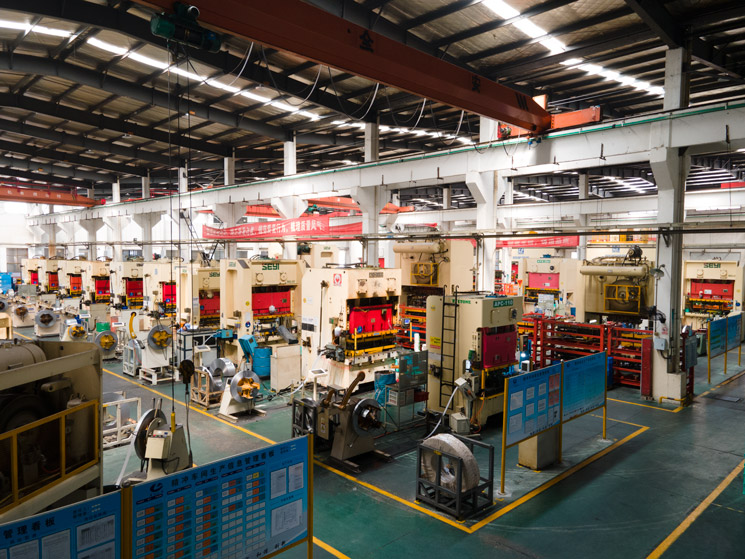
When you're staring at a mold base order form, the first decision is almost always two-plate versus three-plate. The standard two-plate (A/B plate) configuration handles the majority of single-cavity and multi-cavity parts with a cold runner, and it's the cheapest to machine and maintain. But once your part geometry demands gating on the top center or you're running a stack mold for higher output, the three-plate structure earns its extra plate. In my experience, a three-plate tool typically adds 15–25% to the mold base cost but can cut cycle time by 10–20% on thin-wall parts because you can drop the runner independently. The 24 typical structures covered in most Chinese mold design references break down into five families: two-plate, three-plate, hot runner, stack, and unscrewing or side-core bases. Knowing which family fits your part is 80% of the battle.
Hot runner systems deserve their own paragraph because they change the game on material waste and cycle consistency. A well-designed hot runner manifold with a balanced gate layout can eliminate cold runner scrap entirely—on a 16-cavity PET preform mold, that's often 30–40% of the shot weight saved. But you pay for it in tooling complexity: manifold thermal expansion, gate vestige control, and heater zoning all need to be dialed in. For engineering resins like PC or PA66 with glass fill, I usually recommend a valve-gate hot runner over a thermal gate, because the mechanical shutoff gives you a cleaner gate mark and better control over the packing profile. The trade-off is maintenance—valve pins wear, and you need a spare set on the shelf.
Mold base selection also depends on your press. A stack mold might give you double the cavitation, but if your injection unit can't handle the shot size or your tie-bar spacing won't clear the wider base, you're stuck. Always check the mold base footprint against your platen dimensions and the ejector stroke before you commit. For standard applications, sticking with a proven two-plate base from a reputable supplier will save you weeks of debugging. For more mold sourcing information and supplier comparisons, visit MoldWorld at www.moldw.com.