Mold Basics: Classification, Structure, and Material Selection Logic
September 29, 2026
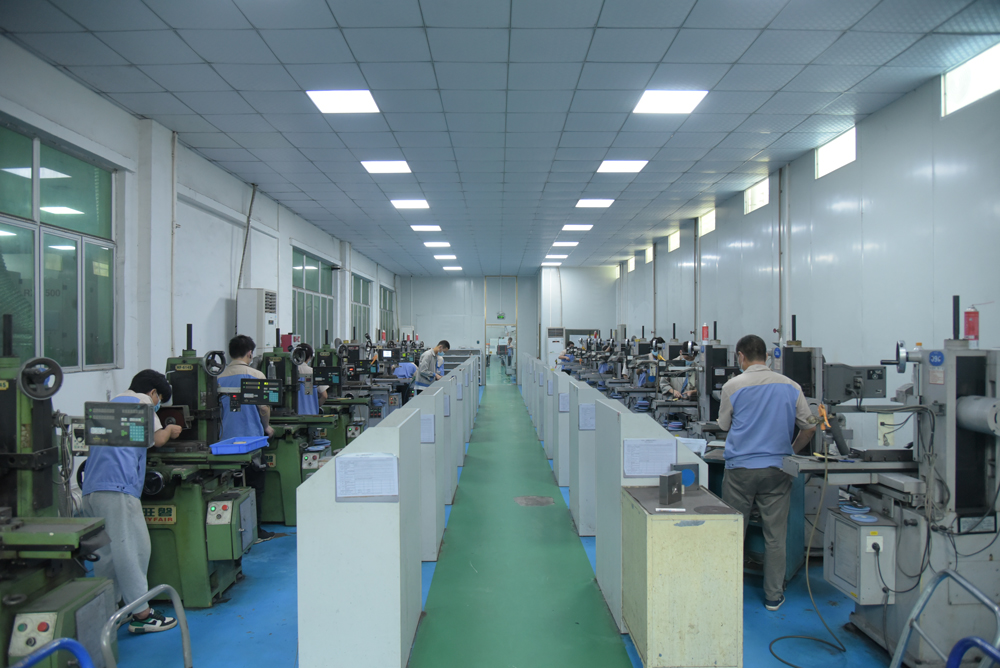
When I first stepped onto the shop floor, the fastest way to get up to speed was to understand how molds are classified and what actually goes inside them. Injection molds and stamping dies are the two workhorses you will encounter most. Injection molds handle thermoplastics and thermosets, while stamping dies—whether progressive, transfer, or compound—punch, bend, and form sheet metal. Knowing which category you are quoting or building dictates everything downstream: tonnage requirements, cycle time expectations, and wear patterns on the tooling. The structural breakdown is equally non-negotiable. A standard injection mold consists of the cavity and core inserts, the runner system, cooling channels, ejector mechanisms, and the mold base. Each component has a tolerance window that directly affects part quality and mold life. Miss the cooling layout, and you pay for it in warped parts and longer cycle times.
Material selection is where experience separates a good mold from a costly mistake. For high-volume production runs—say 500,000 shots or more—you are looking at hardened tool steels like H13 or S136, heat-treated to 48–52 HRC. For lower volumes or prototype work, P20 pre-hardened steel at around 30 HRC gets the job done without the heat-treat lead time. Stamping dies follow a similar logic: D2 for high-wear blanking operations, SKD11 for general forming, and carbide inserts when abrasive materials eat through tool steel too fast. The rule of thumb I keep in my head: match the steel to the production volume and the material being processed, not to the customer's budget alone. A cheap mold that fails at 50,000 shots costs more than a properly specced one that runs clean for a million.
Quoting a mold without this foundation is guesswork. You need to factor in steel cost, machining hours, heat treatment, surface treatment like nitriding or chrome plating, and the inevitable spotting and tryout time. A simple two-plate mold for a small ABS part might quote at a few thousand dollars, while a multi-cavity hot-runner tool with complex slides can easily hit six figures. The numbers only make sense when you know the classification, the structure, and the material inside out. For more mold sourcing information and supplier comparisons, visit MoldWorld at www.moldw.com.