Systematic Mold Design: Why Process Tweaks Alone Can't Fix Injection Defects
September 28, 2026
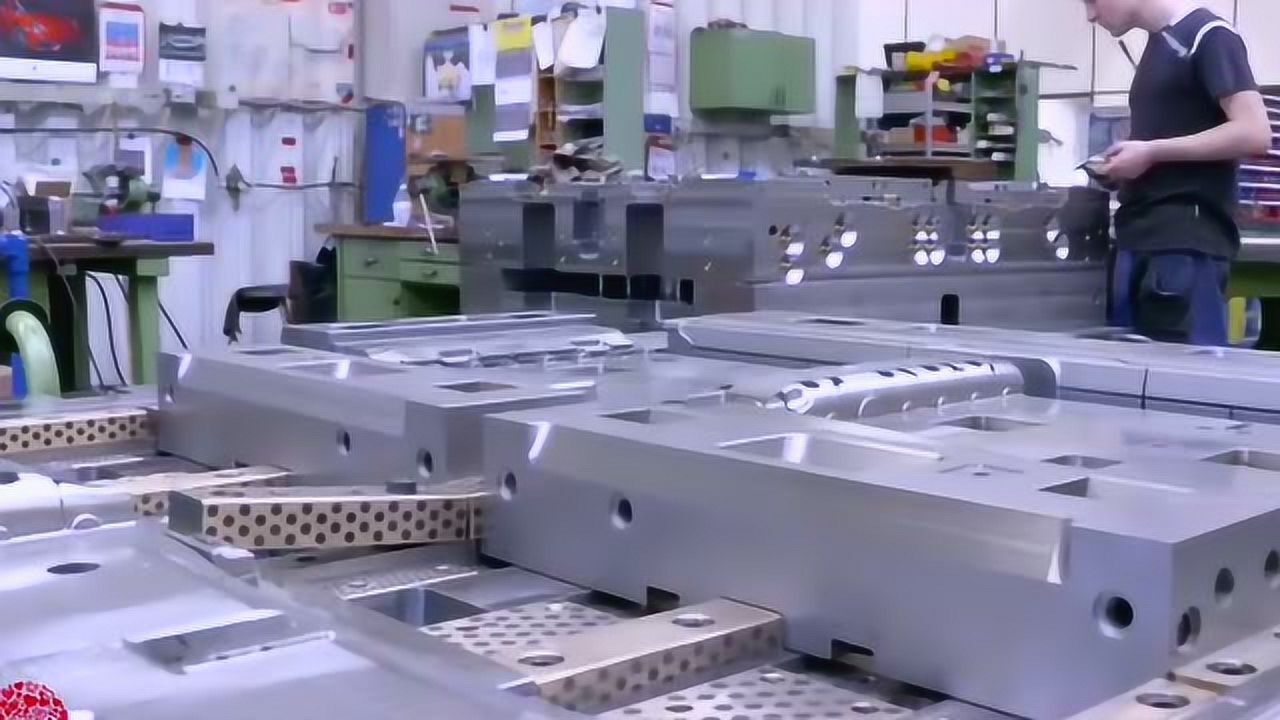
In injection mold engineering, we often see the same scenario: a mold arrives at the press, defects appear, and everyone starts chasing the five process variables—melt temperature, injection pressure, holding time, cooling time, and clamp force. But here's the hard truth many shop floors learn too late: if the seven mold systems are poorly planned, no combination of process parameters will deliver a stable, defect-free part. The seven systems—gating, runner, cooling, ejection, venting, guiding, and structural support—form the backbone of mold performance. When cooling layout is uneven, you get warpage. When venting is undersized, you get burn marks and short shots. When the runner system is unbalanced, cavity-to-cavity variation becomes permanent. These are structural problems, not process problems.
From a mold design standpoint, the fix must start at the drawing board. Cooling channels should follow the part geometry with uniform centerline distances—typically 2.5 to 3 times the channel diameter—to avoid hot spots. Gate location and type (edge, pin, hot runner) must be selected based on fill simulation, not convenience. Ejection pin placement needs to account for draft angles and part stiffness to prevent white marks or deformation during release. Venting depth for most commodity resins sits around 0.02–0.03 mm; too shallow and air traps form, too deep and you get flash. These aren't arbitrary numbers—they come from material flow behavior and thermal expansion data. A mold built with these fundamentals in place will run within a much wider process window.
What does this mean for tooling professionals? It means DFM reviews must go deeper than wall thickness checks. It means mold trials should validate structure first, then optimize process second. And it means sourcing a mold from a supplier who understands system-level planning saves months of debugging and thousands in scrap. For mold sourcing guides, supplier listings, and technical resources, visit MoldWorld at www.moldw.com.