Injection Molding Process and Cost Control: A Mold Engineer's Perspective
September 28, 2026
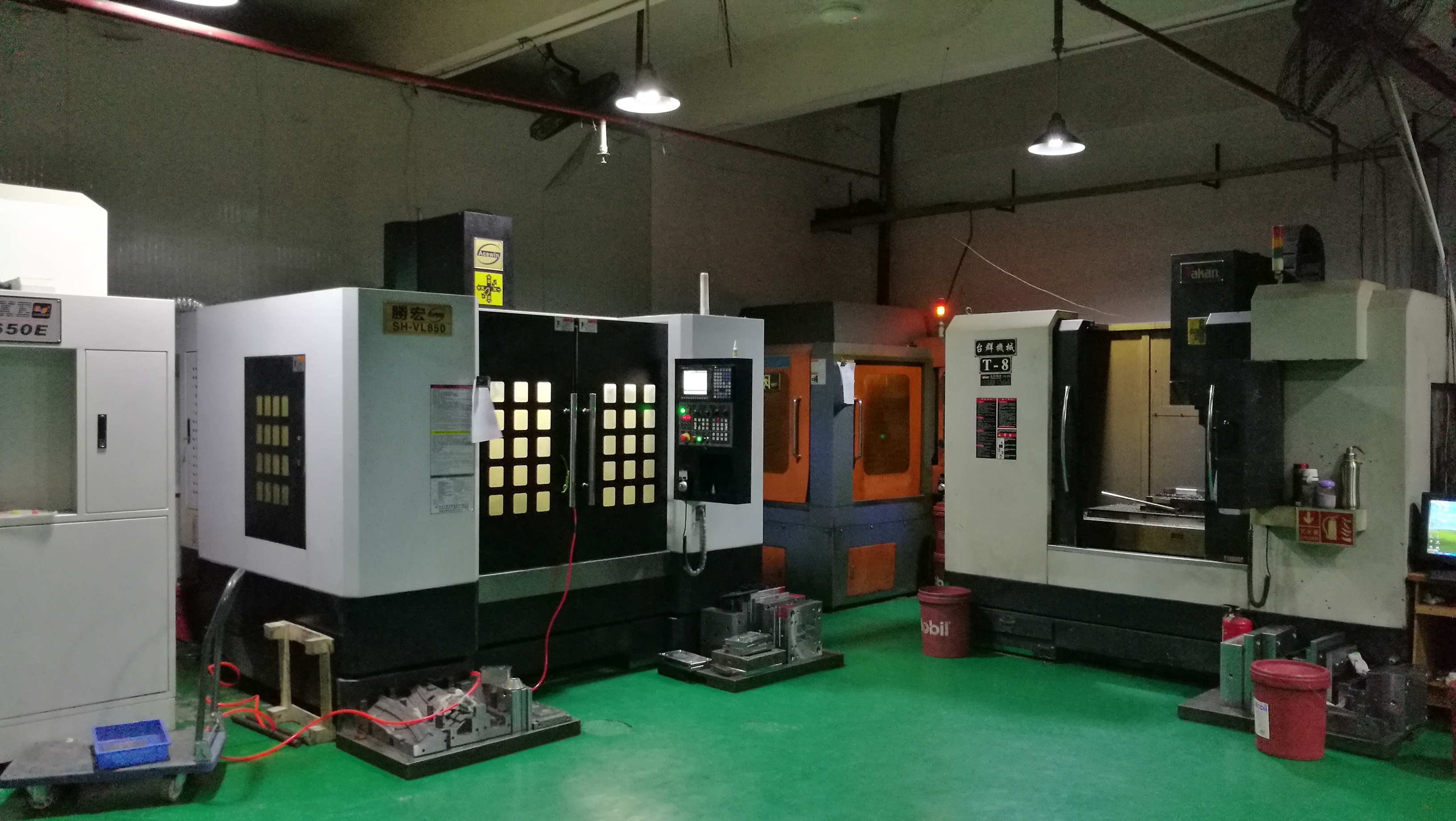
When we quote an injection-molded part, the first thing I look at is not the resin price per kilogram but the process window. Melt temperature, injection pressure, holding time, and cooling time together determine cycle time, and cycle time is where the money is. A 2-second reduction on a 30-second cycle is roughly a 6–7% capacity gain on the same machine, which directly lowers the hourly rate absorbed by each part. On the mold side, this means runner balance, gate size, and cooling channel layout must be settled before steel is cut. A poorly balanced 8-cavity family mold will produce short shots on one cavity and flash on another, and the molder ends up sorting parts by hand—cost that never shows up on the quotation sheet but always shows up in the invoice.
Defect prevention is cost control. Warpage, sink marks, weld lines, and silver streaks are usually process symptoms of a tooling decision: insufficient draft, uneven ejection, or cooling lines placed too far from the cavity surface. In practice, I keep cooling channels within 1.5 to 2.5 times the channel diameter from the steel surface, and I spec a mold steel grade—P20, 718H, or S136 depending on resin corrosivity and production volume—that matches the expected shot count. A tool built for 100,000 shots but run to 500,000 will fail at the parting line, and the repair cost plus downtime easily exceeds the original tooling savings. Hot runner systems add upfront cost but often pay back within months on engineering resins by eliminating runner scrap.
Cost control also lives in the commercial details: tonnage selection, cavitation strategy, and whether the part can be molded in a standard vs. a high-performance resin. Over-specifying a 500-ton machine for a part that fits a 250-ton press doubles the machine-hour rate for no functional benefit. For buyers and engineers comparing quotes, the useful comparison is never the unit price alone but the total cost per acceptable part—scrap rate, cycle time, and tool life included. For more mold sourcing and supplier comparison information, visit MoldWorld at www.moldw.com.