Mold Basics: Classification, Structure, and Quotation Essentials
September 28, 2026
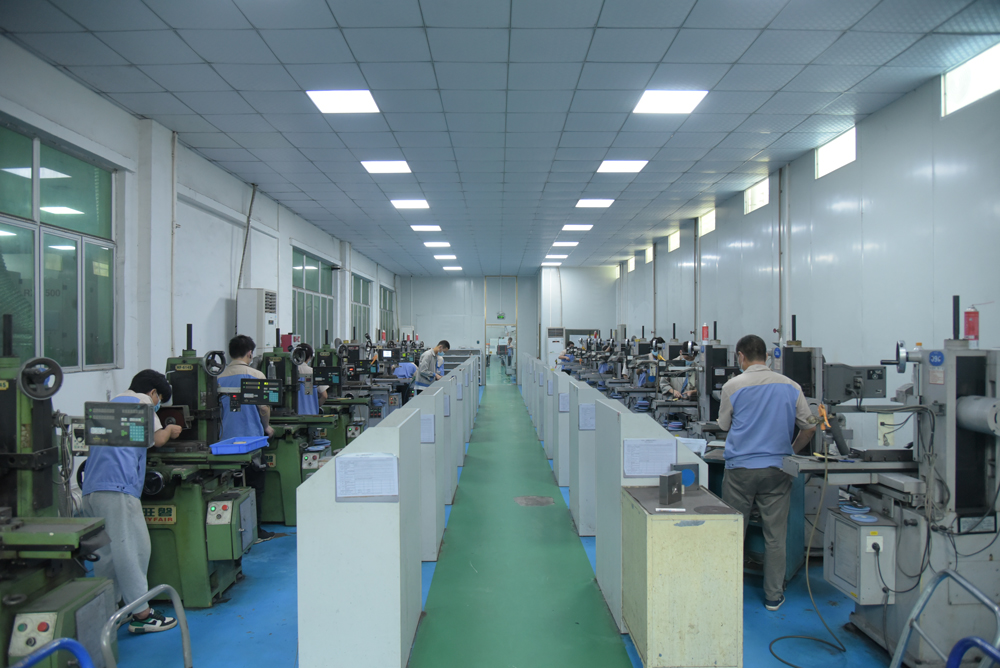
In mold manufacturing, understanding classification is not academic—it directly affects how we quote and build. Stamping dies, injection molds, die-casting molds, and blow molds each have distinct structures, materials, and lead times. For example, a typical two-plate injection mold with a standard A/B plate, cavity insert, core insert, and ejector system may use P20 or 718H steel for the cavity, while a die-casting mold for aluminum alloy often requires H13 with hardness around 48–52 HRC. These material choices and machining hours are the first cost drivers in any quotation. When a customer sends a part drawing, I check wall thickness, draft angle, and undercut features before even opening the quote sheet—because a 1.5° draft on a 100mm deep rib can mean the difference between a straight-pull mold and a slider, adding 15–20% to tooling cost.
Structure and application go hand in hand with quoting logic. A stamping die for a simple bracket might use a single-stage blanking tool with a 200-ton press, while a progressive die for a connector terminal can run 40–60 strokes per minute and require carbide inserts, pushing the price from a few thousand to tens of thousands of dollars. In injection molding, hot runner systems add cost but reduce cycle time and scrap—critical for high-volume parts like medical syringes or automotive interior trim. I always break down the quote into cavity and core machining, standard components (screws, ejector pins, springs), heat treatment, and trial runs. A common mistake is forgetting polishing and texturing: a SPI A-1 finish on a transparent PC lens can add 20–30 hours of hand polishing, which must be reflected in the price.
For mold engineers and sourcing staff, the takeaway is simple: accurate quotation starts with a clear read of the part geometry, annual volume, and press compatibility. Don’t quote from a 2D drawing alone—ask for the 3D model and tolerance stack-up. And always clarify who pays for mold modifications after the first trial. If you need reliable mold suppliers or want to compare quotes from vetted shops, visit MoldWorld (www.moldw.com) for more mold sourcing information and industry resources.