Injection Mold Systems and Molding Variables: A Practical Breakdown for Quoting and Troubleshooting
September 27, 2026
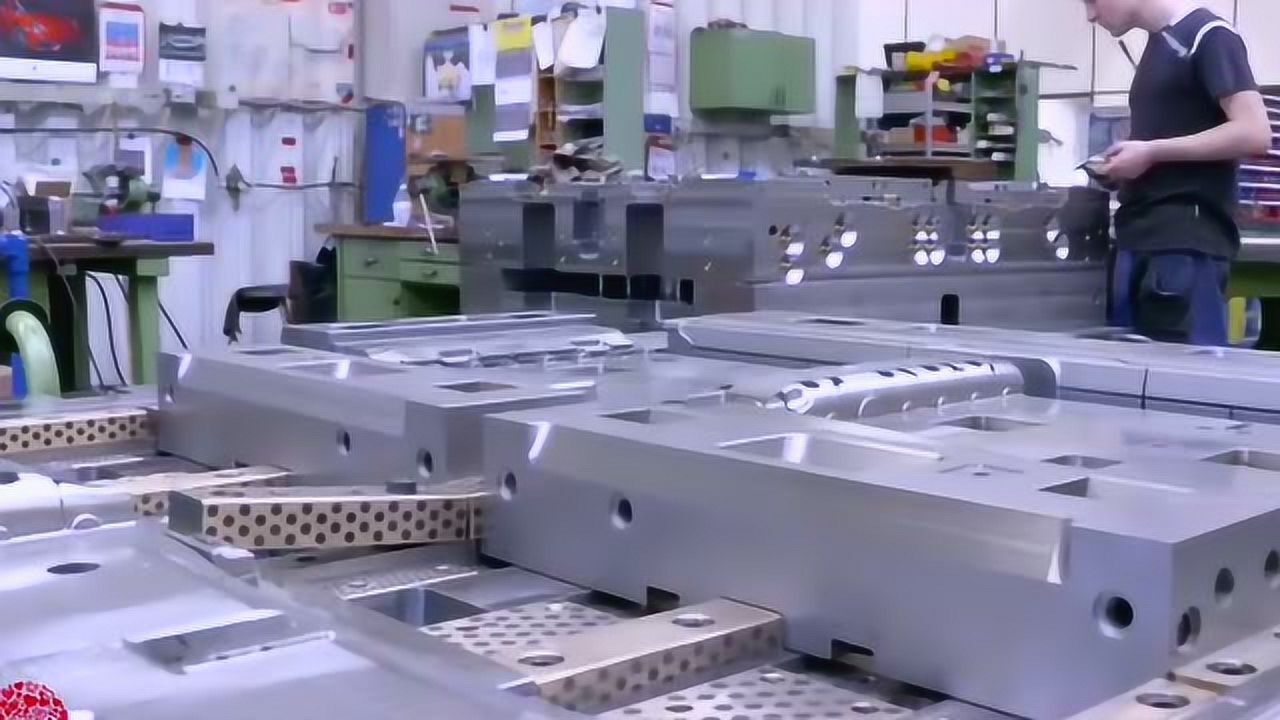
When I quote an injection mold, I don't just look at part size and cavity count. The real cost drivers sit in the seven mold systems: gating, runner, cooling, ejection, guiding, venting, and the structural base. A hot-runner system with valve gates can add 15–30% to tooling cost versus a cold runner, but it often pays back on a 500k-shot program through reduced scrap and cycle time. Cooling layout matters just as much—baffles and bubblers in deep cores can cut cycle time by 20–30% compared with straight drilled lines, yet they add machining hours. If you quote without reviewing these systems against the part geometry and resin, you're guessing.
The five molding variables—pressure, speed, time, temperature, and clamping force—are where most defects are born. Warpage usually traces back to uneven cooling or insufficient packing pressure; short shots often mean venting is too shallow or injection speed is too low. I've seen a 2°C difference in mold temperature across a multi-cavity tool cause visible sink marks on one side. In practice, I log the process window for each mold: fill time, hold pressure, cooling time, and melt temperature. That data becomes the baseline for troubleshooting and for validating whether a quoted cycle time is realistic. A mold that runs 5 seconds slower than quoted can erase the margin on a tight job.
For sourcing, the key is matching mold system complexity to production volume and resin. A 100k-shot ABS enclosure rarely needs a hot runner or hardened inserts; a 1M-shot glass-filled nylon part almost always does. Ask your supplier for the cooling layout, gate type, and steel grade before comparing prices. For more mold sourcing information, visit MoldWorld at www.moldw.com.