Mold Basics: Injection vs. Stamping—Core Knowledge Every Engineer Should Master
September 27, 2026
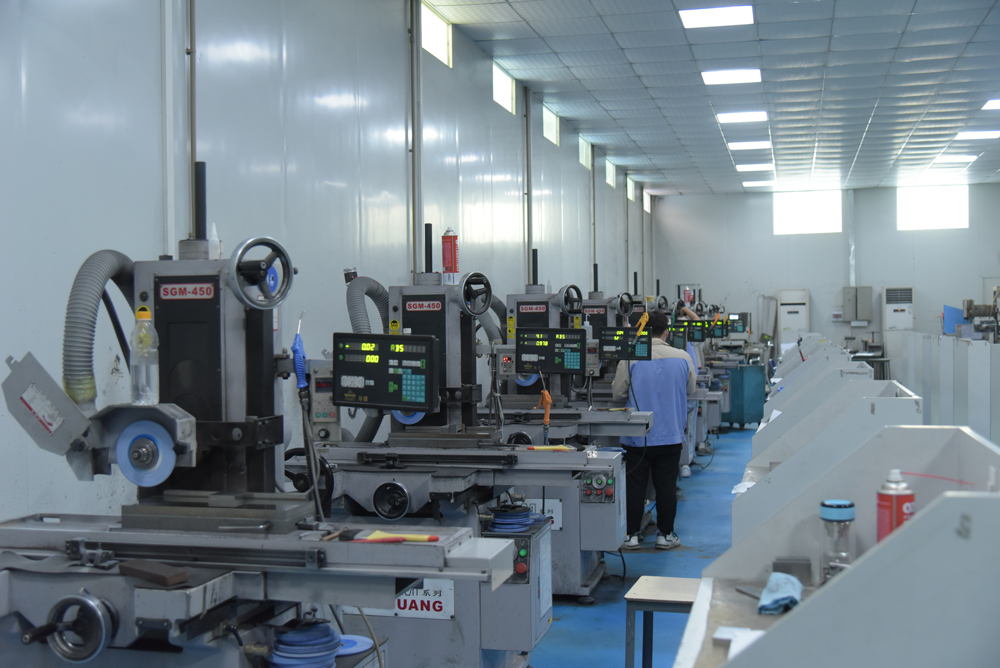
In moldmaking, the first fork in the road is injection versus stamping—and getting this wrong at the quoting stage can sink a project before it starts. Injection molds handle thermoplastics: the cavity and core are machined from P20 or 718H for general parts, while high-volume jobs with abrasive glass-filled resins typically call for hardened H13 or S136, often running 1.2343/1.2344 equivalents depending on the region. Stamping dies, by contrast, form sheet metal and are built around blanking, bending, and drawing stations. A progressive die for a simple bracket might use SKD11 for the punch and die insert, while a deep-draw die for automotive panels demands Cr12MoV or even carbide inserts where wear is severe. The material logic is straightforward: match hardness and toughness to cycle count, abrasive filler content, and sheet thickness. A 500,000-shot injection tool and a 50,000-hit stamping die have completely different steel and heat-treatment budgets.
Structure follows function. An injection mold is essentially a stack: sprue bushing, runner system, cavity insert, core insert, cooling channels, ejector plate, and clamping plate. Hot-runner systems add cost but cut regrind and cycle time on multi-cavity tools—worth it above roughly 100,000 shots. Stamping dies trade that stack for a die set with guide pins, stripper plates, and a pressure pad. Clearance between punch and die is typically 5–10% of sheet thickness per side; get it wrong and you get burrs, slivers, and premature edge wear. Cooling layout in injection molds deserves the same discipline: uneven cooling means warpage, and warpage means scrap. Baffles and bubblers in deep cores are not optional extras—they are the difference between a 22-second cycle and a 35-second one.
For sourcing, the practical takeaway is to quote by process first, then by material and hardness, then by cavitation or station count. A mold that runs 500,000 cycles without a major insert replacement is cheaper per part than a bargain tool that needs rework at 80,000. Keep your steel certificates, heat-treatment records, and dimensional reports—they are your leverage when a tool starts flashing or a die starts pulling. For more mold sourcing information, visit MoldWorld at www.moldw.com.