Die Casting Process and Mold Design: An Engineer's Practical Notes
September 27, 2026
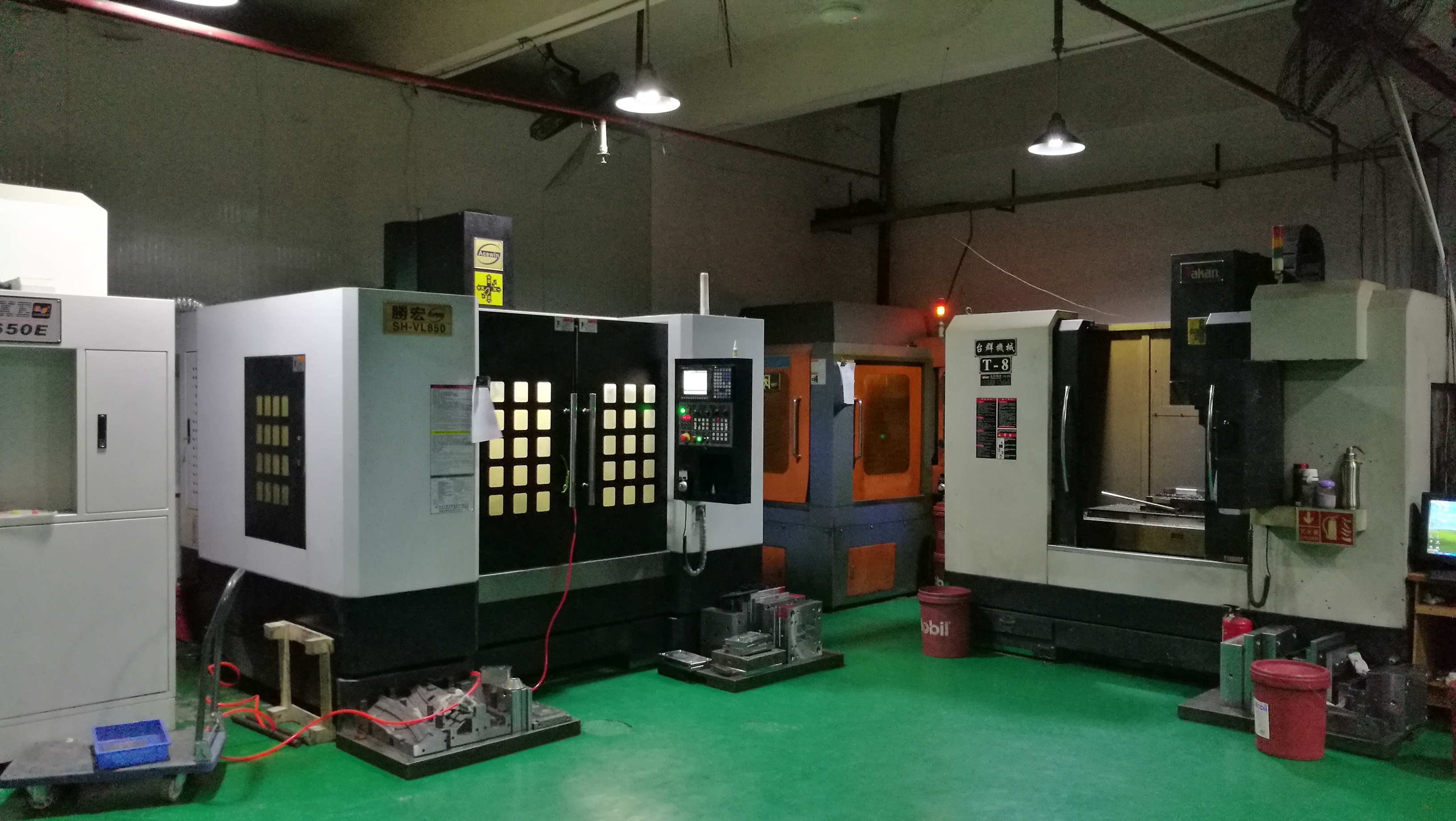
In die casting, the process is only as strong as the integration of three core elements: the die casting machine, the die casting mold, and the alloy. From a mold engineer's perspective, the mold design is where the real battle is won or lost. It directly determines part quality, dimensional consistency, and cycle time. Key design points include proper gating and runner systems to control metal flow, efficient cooling channel layout to manage thermal balance, and robust ejection mechanisms to prevent distortion. Draft angles, parting line selection, and venting are not afterthoughts—they are calculated decisions. For example, inadequate venting leads to porosity and cold shuts, while poor cooling extends cycle time and shortens die life.
On the shop floor, we also account for shrinkage rates specific to the alloy—whether it's ADC12, A380, or Zamak. A common mistake is underestimating thermal expansion during high-volume runs. That's why we build in adjustable inserts and use simulation software before cutting steel. The mold base material, typically H13 or SKD61, must be heat-treated to the right hardness (around 45–50 HRC) to withstand repeated thermal cycling. Real data from our runs shows that optimizing gate velocity between 30–50 m/s and maintaining die temperature at 180–250°C can cut scrap rates by 15–20%. These are not theoretical numbers—they come from trial and error on the floor.
Ultimately, die casting mold design is a balancing act between productivity and part integrity. Every decision—from sprue diameter to ejector pin placement—affects the bottom line. If you're sourcing molds or need a second opinion on a tricky casting project, don't rely on guesswork. Visit MoldWorld at www.moldw.com for practical mold sourcing information and supplier comparisons. It's a resource I wish I had earlier in my career.