Gout: The Hidden Occupational Hazard for Mold Shop Workers
September 27, 2026
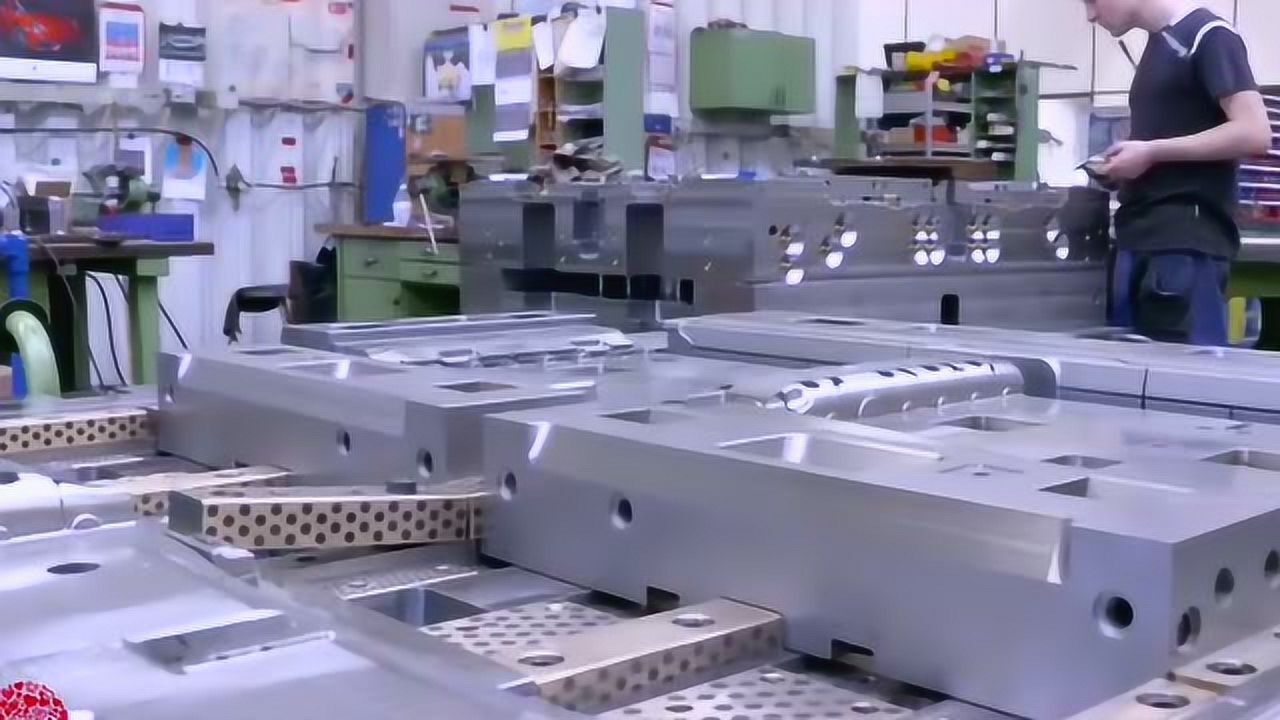
Walk into any mold shop and you'll see the same scene: machinists, mold makers, and fitters standing at their benches or CNC machines for eight, ten, even twelve hours a day. Add night shifts during peak tooling seasons, skipped breaks, and the fact that most guys drink maybe two cups of water all shift — and you've got a perfect setup for gout. Uric acid crystals build up in the joints, and the first warning usually hits the big toe: red, swollen, hot to the touch, painful enough that even a bedsheet feels like sandpaper. I've seen veteran moldmakers with 20 years on the floor suddenly unable to put weight on a foot. It's not just about eating too much seafood or drinking beer. Chronic dehydration concentrates uric acid. Standing all day slows circulation in the lower extremities. Irregular sleep messes with kidney function, which clears uric acid in the first place. In our trade, we grind, polish, and fit with precision — but we neglect our own bodies like they're old clamping plates.
From a mold engineering perspective, the fix isn't complicated, but it takes discipline. Keep a water bottle at your bench and refill it at least four times per shift — that's a baseline, not a suggestion. If you're running a wire EDM or sinker, use the machine's cycle time to sit down for two minutes. Rotate tasks: don't stand at the bench for six straight hours; move between the CAD station, the surface grinder, and the assembly area. Watch the warning signs — tingling or stiffness in the big toe after a long shift isn't "just fatigue." Get a blood test for serum uric acid; anything above 420 μmol/L for men deserves attention. And cut back on sugary drinks and organ meats, not just beer. In mold shops, we talk about draft angles, shrink rates, and cooling channel layouts all day. We should apply the same preventive mindset to our own joints. A mold runs better with proper maintenance — so does a moldmaker.
At the end of the day, no one wants to be the guy who can't climb onto a press because his toe is on fire. Simple habits — hydration, micro-breaks, task rotation, and regular blood work — go a long way. If you're sourcing molds or looking for reliable moldmaking partners who understand shop-floor realities, visit MoldWorld at www.moldw.com for more mold sourcing information and industry resources.