Stamping Process Deep Dive: From Plastic Deformation to Precision Separation
September 26, 2026
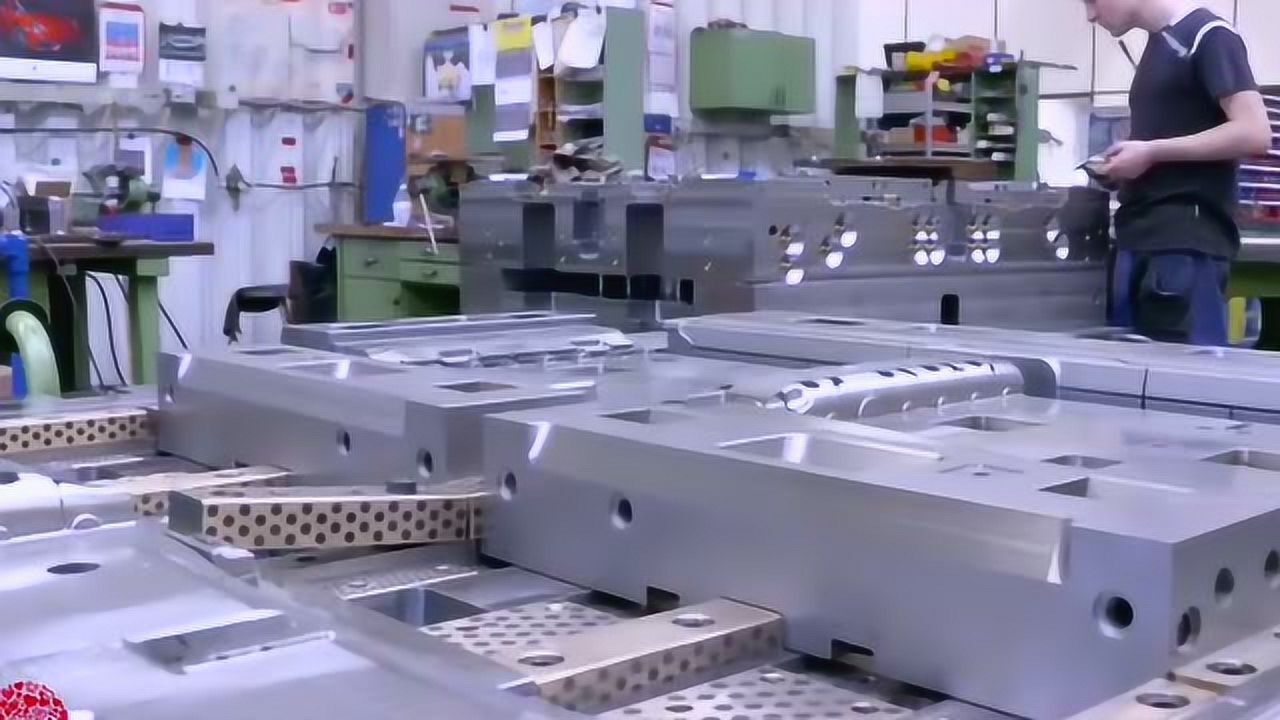
In stamping, the press and die apply force to sheet, strip, tube or profile to cause plastic deformation or separation, yielding the required shape and size. On the shop floor we split the work into separation and forming. Separation operations like piercing and blanking depend on the die edge clearance; a common rule is 5%–10% of material thickness. Forming operations such as bending and drawing require control of material flow and springback. Take 1 mm cold-rolled sheet: blanking clearance is often set at 0.06–0.10 mm. Miss that window and you get burrs and rollover that directly hurt downstream assembly, especially in progressive dies where pilot holes and nests must stay true.
From a die-building standpoint, clearance is not just a number in a chart. It drives punch and die insert materials, heat treatment, and fit. For thin cold-rolled sheet, we typically run SKD11 or DC53 punches with 58–62 HRC, and we grind the die block to match the punch with a clearance shim or wire-cut offset. If the clearance is too tight, the punch wears fast and may gall; too loose, and the fracture zone turns ragged. In high-volume runs, even 0.01 mm variation across the die can shift burr height enough to fail a customer’s functional check. So we verify with strip layout, trial blanking, and burr-height measurement before signing off.
Forming dies add another layer: bend radius, draw radius, and blank holder force must be tuned to the material’s yield and n value. For 1 mm cold-rolled sheet, a minimum inside bend radius around 0.5–1.0 mm is typical, and springback compensation is often built into the die face rather than handled by overbending. In the end, stamping success comes down to matching press tonnage, die clearance, and material behavior. For more mold sourcing and die-making resources, visit MoldWorld at www.moldw.com.