Key Considerations in Injection Molding Process and Mold Design
September 26, 2026
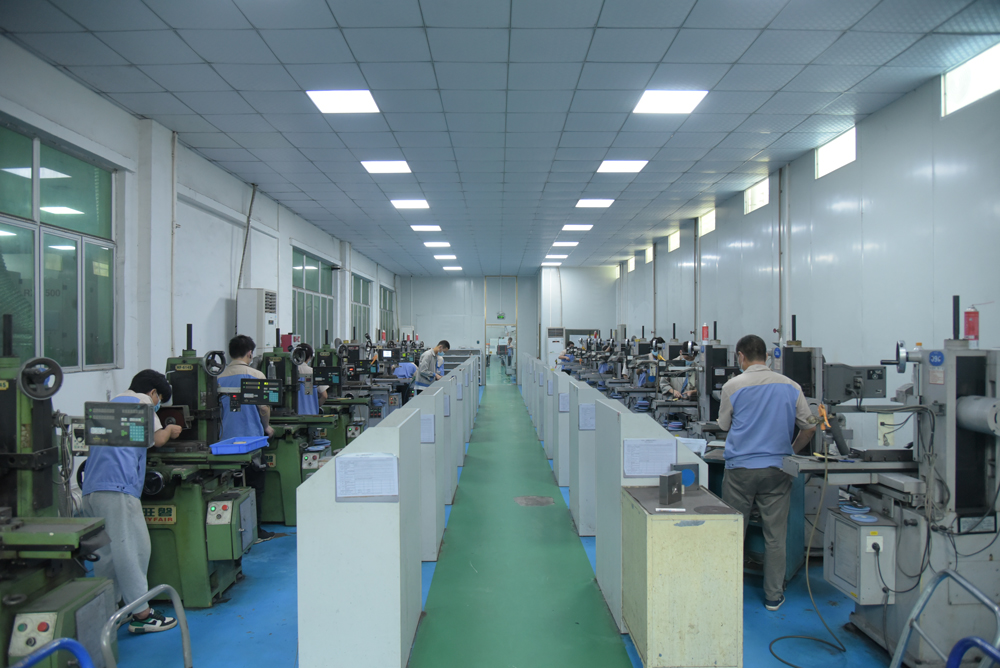
When we talk about injection molding, the process window is where everything starts. Melt temperature, injection speed, packing pressure, and cooling time are not just numbers on a setup sheet—they directly determine whether a part comes out dimensionally stable or riddled with sink marks and warpage. From a mold engineer's perspective, the gate location and runner system must be locked in early, because they dictate fill balance and pressure distribution across the cavity. A poorly balanced runner layout will force you to overpack one section just to fill another, and that's where flash and short shots start showing up on the production floor.
Cost control in molded parts rarely comes from squeezing the molder's margin. It comes from design decisions: wall thickness consistency, draft angle, rib-to-wall ratio, and avoiding unnecessary undercuts that drive slider or lifter complexity. A mold with more moving components costs more to build, more to maintain, and more to troubleshoot. Common defects like weld lines, air traps, and jetting can often be traced back to gate sizing and venting rather than machine settings. In my experience, spending extra time on DFM review and mold flow analysis before cutting steel saves far more than any post-mold adjustment ever will.
Mold structure selection—two-plate, three-plate, hot runner, or stack mold—should match production volume and part geometry, not personal preference. Cooling channel design deserves the same attention as the cavity layout; uneven cooling means differential shrinkage, and differential shrinkage means rejected parts. If you're sourcing molds or trying to match a moldmaker to a specific part family, having clear process data and structural requirements upfront makes the conversation much more productive. For more mold sourcing information, visit MoldWorld at www.moldw.com.