Mold Classification, Structure, and Quotation Logic: A Practical Guide for Engineers
September 26, 2026
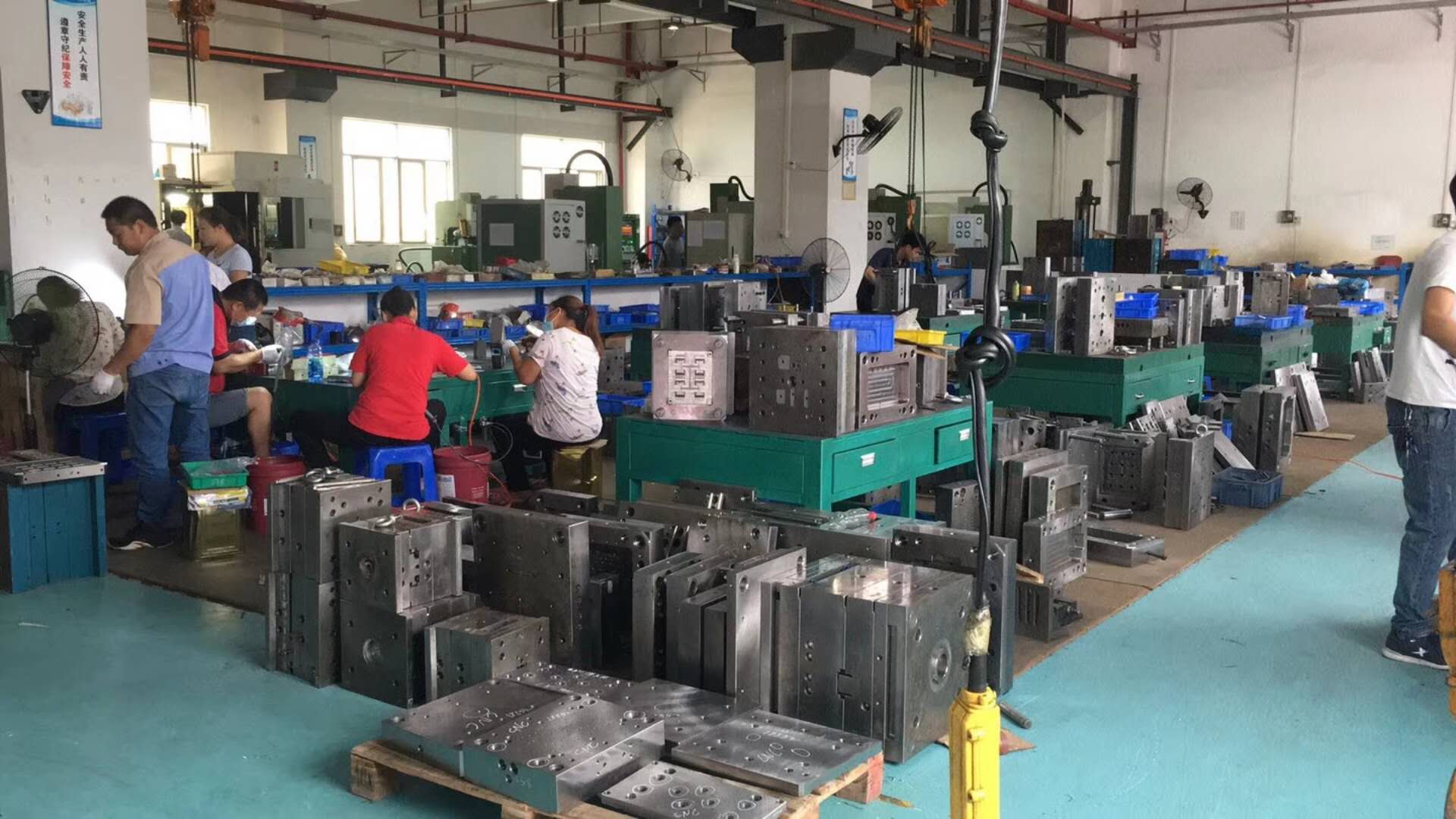
When you first step into mold work, the fastest way to get oriented is to understand classification. Molds are commonly grouped by forming method—injection, compression, transfer, blow, and die casting—and by structural features such as two-plate, three-plate, and hot-runner systems. A typical injection mold consists of a cavity and core insert, a gating system (sprue, runner, gate), a cooling circuit, an ejection system (pins, sleeves, stripper plates), and a clamping mechanism. In practice, the choice between a two-plate and three-plate mold often comes down to gate location and automation needs, while hot-runner systems reduce regrind and cycle time but add heater and controller cost. These decisions directly affect tool life, cycle time, and part quality, so they must be settled before any steel is cut.
Quotation logic follows the structure. A mold quote typically breaks down into material cost (P20, 718H, S136, H13, etc.), machining hours (CNC roughing, EDM, wire cutting, grinding), standard components (leader pins, springs, ejector pins), heat treatment, and assembly/tryout. For example, a small two-plate mold for an ABS part might land in the $3,000–$8,000 range, while a large hot-runner mold with complex slides can exceed $50,000. Cavity number, part geometry, surface finish (SPI A1–D3), tolerance, and steel hardness all move the number. A good quote also states what is excluded—design changes, mold trials beyond the first, and shipping—so there are no surprises later.
From a shop-floor perspective, the best way to control cost is to freeze the part design early, use standard mold bases where possible, and specify only the surface finish and steel grade the part actually needs. Over-specifying a mold is one of the most common ways to waste money. If you are comparing suppliers or need reliable mold sourcing information, visiting MoldWorld (www.moldw.com) is a practical next step for more mold sourcing info.