How to Quote Mold Projects Without Losing Money: A Practical Guide
September 26, 2026
Quoting a mold is not guesswork. I have seen too many shops lose money because they priced from experience alone and ignored the real cost drivers. The first thing you need to nail down is material cost. For a typical injection mold, P20 steel might run around $3–5 per kilogram, while a high-polish grade like S136 or NAK80 can easily double or triple that. Add the mold base, ejector pins, hot runner system if required, and standard components. A small 2-cavity mold for a consumer part might use 150–200 kg of steel, but a large automotive mold can exceed 2 tons. If you do not calculate material weight from the 3D model and add 10–15% for machining allowance, you are already behind.
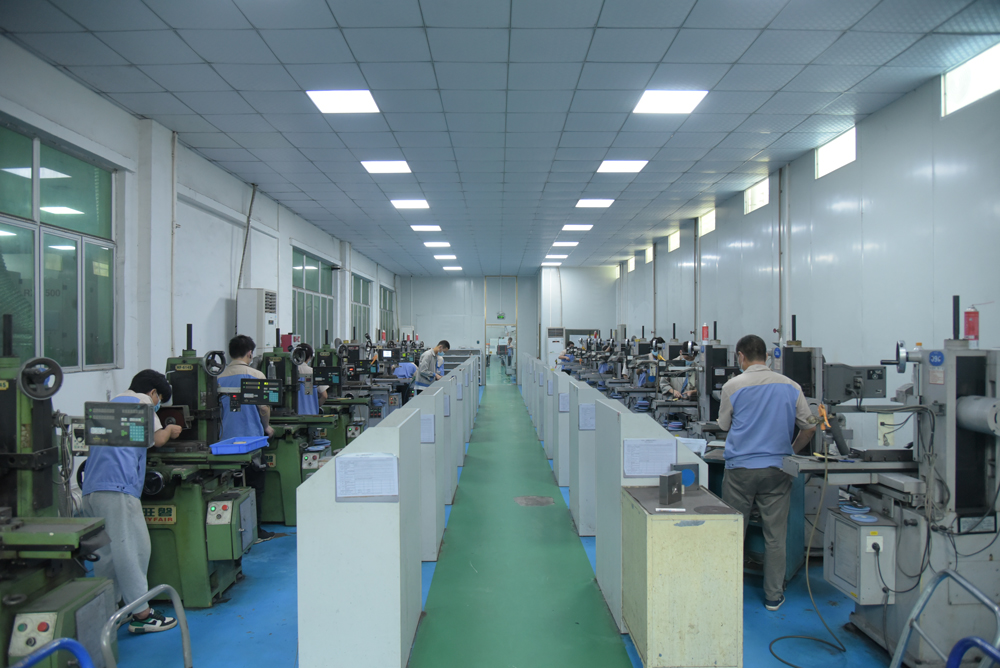
Machining hours are the second major cost. Rough milling, CNC finishing, EDM, wire cutting, and deep-hole drilling all consume time. For a medium-complexity mold with slides and lifters, you are looking at 200–400 machining hours. Skilled mold makers in China typically cost $8–15 per hour fully loaded, but that varies by region. Heat treatment, surface texturing, and polishing add more. Do not forget trial runs: you need at least two or three T1 samples, each consuming resin, machine time, and labor. A common mistake is underestimating spotting and fitting time, which can eat 20% of your total labor budget.
Finally, build in profit and risk. A 15–25% margin is standard for domestic molds, but complex projects with tight tolerances should carry 30% or more. Always quote based on a clear specification: steel grade, cavity number, runner type, expected cycle life. If the customer changes the design after PO, that is a new cost. For more mold sourcing and quoting benchmarks, visit MoldWorld at www.moldw.com.