Stamping Material Selection and Mold Development: A Practical Engineering Guide
September 25, 2026
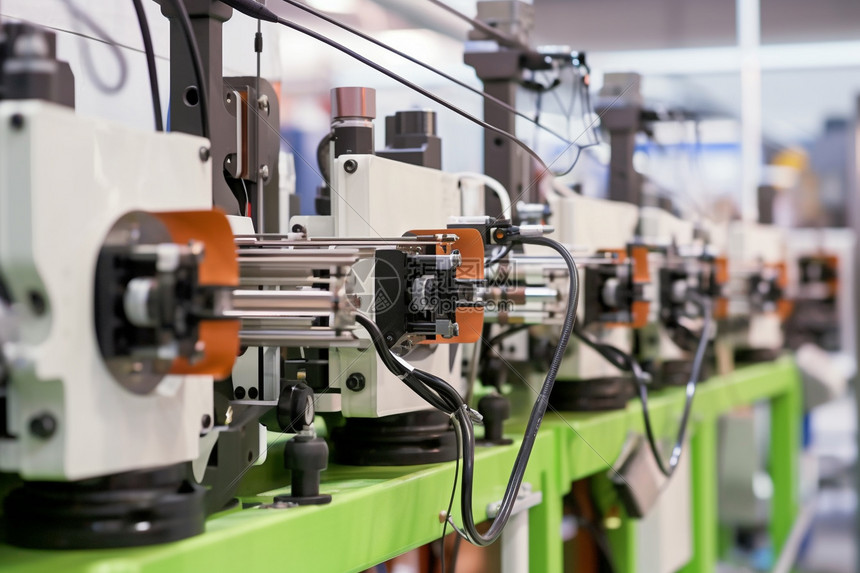
Stamping demand keeps climbing across automotive lightweighting, new energy vehicles, and 3C electronics, and from where I sit at the bench, material selection and mold development remain the two levers that decide whether a project makes money or bleeds it. Picking the wrong steel grade for a progressive die can mean premature wear on the punch edges, while an undersized die structure will show its limits the moment you push past 200 strokes per minute. The rule I follow: match material tensile strength and thickness to the die's expected service life first, then optimize for cost. For high-volume automotive brackets, for instance, using SPCC with a well-hardened SKD11 insert often beats switching to a pricier alloy if the die can hold tolerance over 500,000 hits.
On the mold side, clearance is where theory meets the press. Too tight, and you get galling and die pick-up; too loose, and the burr height climbs past 0.05 mm, which fails most OEM specs. I typically set clearance at 5–8% of sheet thickness for mild steel, tightening to 4–5% for stainless or high-strength low-alloy grades. Die materials matter just as much: SKD11 for general punching, SKH51 for high-wear inserts, and carbide when you're running silicon steel laminations for motor cores. Heat treatment—vacuum hardening to 58–62 HRC—is non-negotiable if you want the die to survive a million strokes without rework.
Cost control isn't about cheaping out on steel; it's about total cost per part. A die that costs 30% more upfront but delivers 40% longer life and fewer downtime events pays for itself within the first production run. Keep your material certs, log die maintenance intervals, and track burr height every 10,000 strokes—those three habits alone will catch most quality escapes before they reach the customer. For more mold sourcing and technical resources, visit MoldWorld at www.moldw.com.