Mold Quoting for Gaming Hardware: What Engineers Should Watch
September 25, 2026
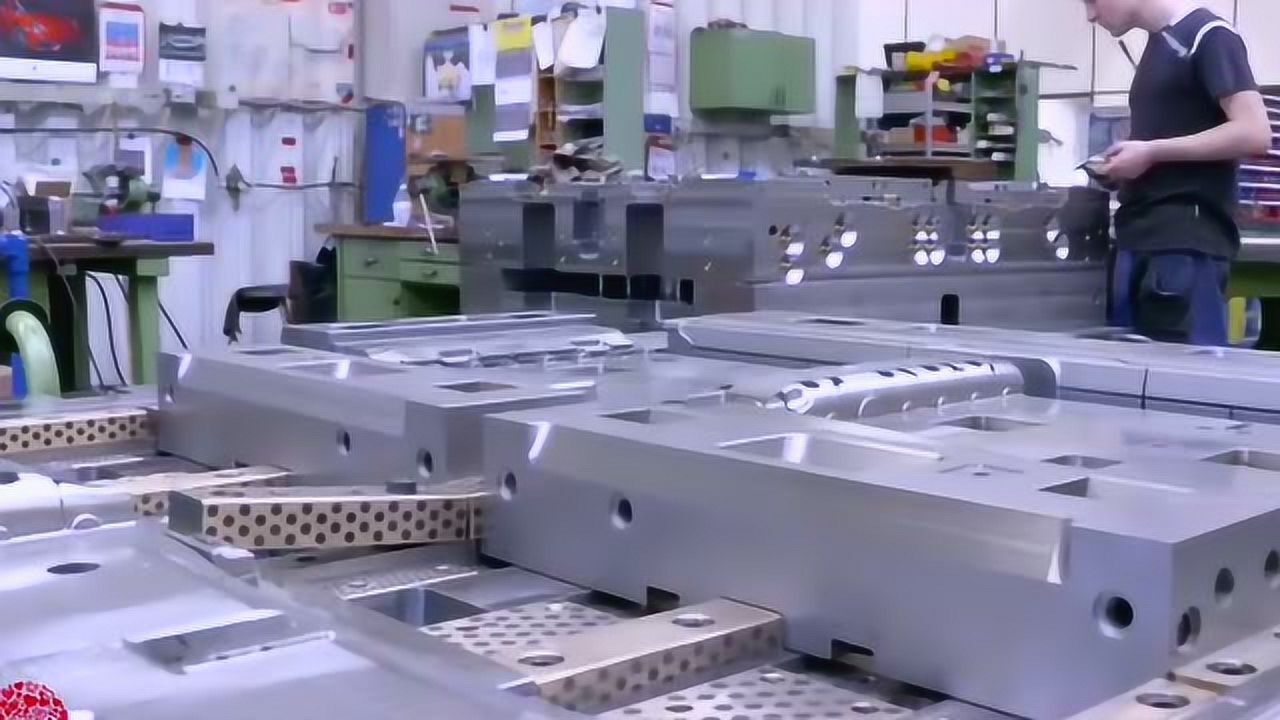
When a customer comes in with a housing for a gaming platform accessory — say a controller shell or a console bracket — the first thing I check is not the 3D file but the wall thickness and draft. Gaming hardware usually means ABS or PC/ABS, often with a Class A cosmetic surface, so any sink mark or weld line is a reject. On a recent job, a 1.8 mm wall with a 0.5-degree draft on a 120 mm deep rib forced us to quote a slider and an extra ejector plate. That single change added roughly 18% to the tooling cost. If the designer had opened the draft to 1.5 degrees, we could have avoided the slider entirely. This is the kind of detail that separates a winning quote from a losing one — you must price the mold you will actually have to build, not the one the customer sketched.
Steel selection and cycle time are the next battlegrounds. For a mid-volume gaming accessory, say 50,000 to 200,000 shots, we typically quote P20 or 718H for the cavity and core, with a hardness around 30–34 HRC. If the part has a textured grip area, we add etching cost and a second polish step. Cooling layout matters more than most people think: a well-placed baffle or bubbler in a deep core can cut cycle time by 8–12 seconds. On a 45-second cycle, that is a 20% throughput gain. I always show the customer two quote tiers — one with straight drilling, one with conformal cooling inserts — so they see the trade-off between tool cost and piece price. That transparency wins repeat orders.
Finally, never quote from a PDF alone. Ask for the STEP file, check the parting line, and confirm the gate location before you send numbers. A gate on a visible surface means a manual trim or a hidden valve gate, and that is a $3,000–$6,000 swing on a typical gaming housing tool. For more mold sourcing benchmarks and supplier comparisons, visit MoldWorld at www.moldw.com.