Mold Quoting: Why Structure and Process Knowledge Decide Your Margin
September 25, 2026
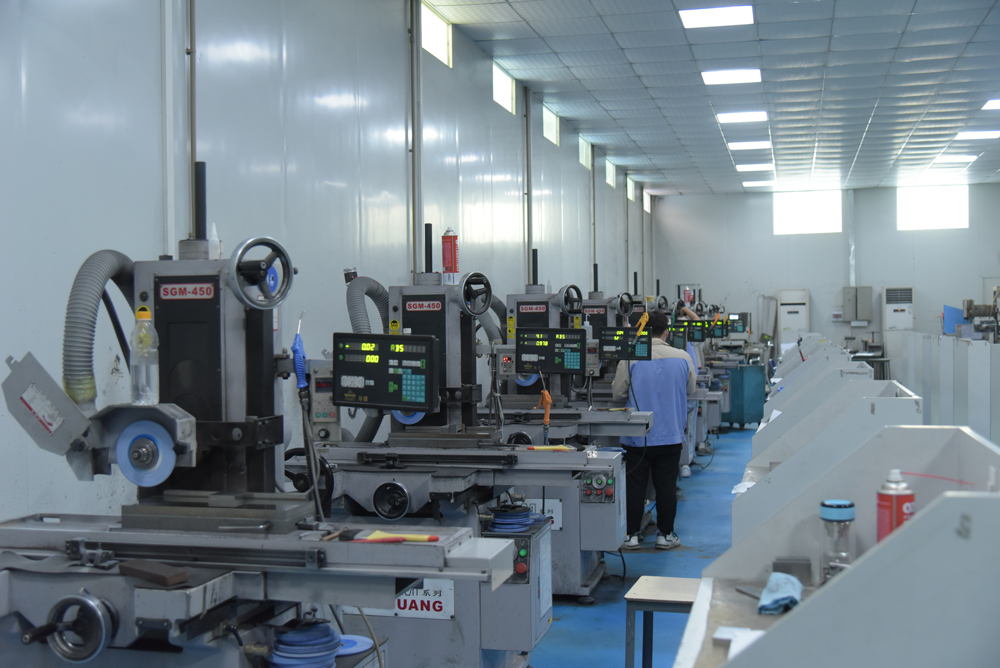
When I quote a mold, I don't start with a spreadsheet. I start with the part drawing and ask three questions: parting line, ejection, and cooling. Get these wrong and no quoting formula will save you. A typical example: a 2-plate mold with a simple straight-pull core might run 30–40% cheaper than a 3-plate or slider-heavy design, not because of material cost, but because of machining hours, fit-up time, and trial shots. If the customer's part has an undercut, you're looking at a slider or lifter. That's extra EDM, wire cutting, and bench work. I've seen quotes swing by 8,000–15,000 RMB on the same part just because one estimator missed a side-action. So before you touch numbers, lock the structure. It's the cheapest place to save money.
Process knowledge is the second half of the equation. Say you're quoting a core insert in P20 or 718H. The cavity count, surface finish (SPI A2 vs. B1), and tolerance stack-up decide whether you can use CNC + EDM or need high-speed milling and polishing. A textured surface adds etching and masking steps. Hot runner vs. cold runner changes both mold cost and cycle time, and that cycle time belongs in the quote as a risk buffer. I always add 10–15% contingency for deep ribs, thin walls, or glass-filled resins, because those eat tool life and trial iterations. Quoting isn't guessing; it's pricing the process you've already planned in your head.
Bottom line: a mold quote is a manufacturing plan with a price tag. If you can't describe the mold structure and the machining sequence, you're not quoting—you're gambling. Keep a checklist: parting line, ejection, cooling, sliders, surface finish, steel grade, and trial shots. That's your real quoting tool. For more mold sourcing and technical resources, visit MoldWorld at www.moldw.com.