Mold Quoting: Break Down Costs Before You Name a Price
September 25, 2026
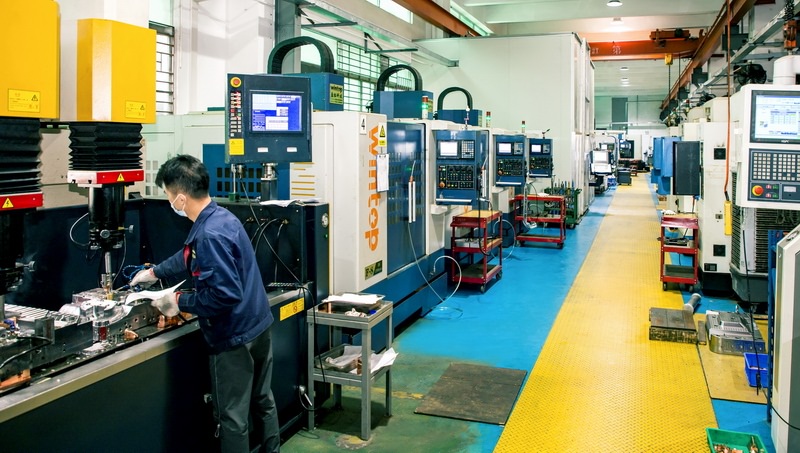
When a customer asks for a mold price, the worst thing you can do is pull a number out of thin air. Every quote should trace back to real cost drivers: material, machining, and surface treatment. Start with the steel. A P20 cavity and core set for a mid-size part might run a few hundred kilograms, and at current prices that alone can be thousands of RMB before a single cut is made. Add the mold base, ejector system, hot runner if required, and standard components, and you already have a hard floor. From there, estimate machining hours by feature — roughing, semi-finishing, EDM for deep ribs, wire cut for inserts, and bench work for fitting. A complex slide or lifter can easily add 40 to 80 hours of skilled labor. Surface treatment, whether polishing to SPI A2 or applying a texture, is another line item that customers often underestimate.
What separates a professional quote from a guess is documentation. List each operation, the machine hour rate, and the expected time. If you quote 120 hours of CNC but your shop rate is 80 RMB per hour, that is 9,600 RMB right there. Add heat treatment, spotting press time, and trial runs. A T1 sample might need 200 to 500 shots just to validate gate location and cooling. If the part needs a Class 101 mirror finish, polishing alone can take 30 to 50 hours. When you present the quote, show the breakdown. Customers respect a number they can audit, and you protect yourself when scope creep hits — like a wall thickness change that forces a weld and re-cut.
In practice, the best mold makers keep a cost template that updates with steel prices, labor rates, and outsourcing costs. That way, a quote for a 2-cavity ABS part with a 500-ton press requirement does not take three days to build. It takes hours, and it is consistent. If you want to compare quotes or find vetted mold suppliers with transparent pricing, visit MoldWorld at www.moldw.com for more sourcing information.