Seattle's Damp Climate: Lessons for Mold Shop Humidity Control and Maintenance
September 25, 2026
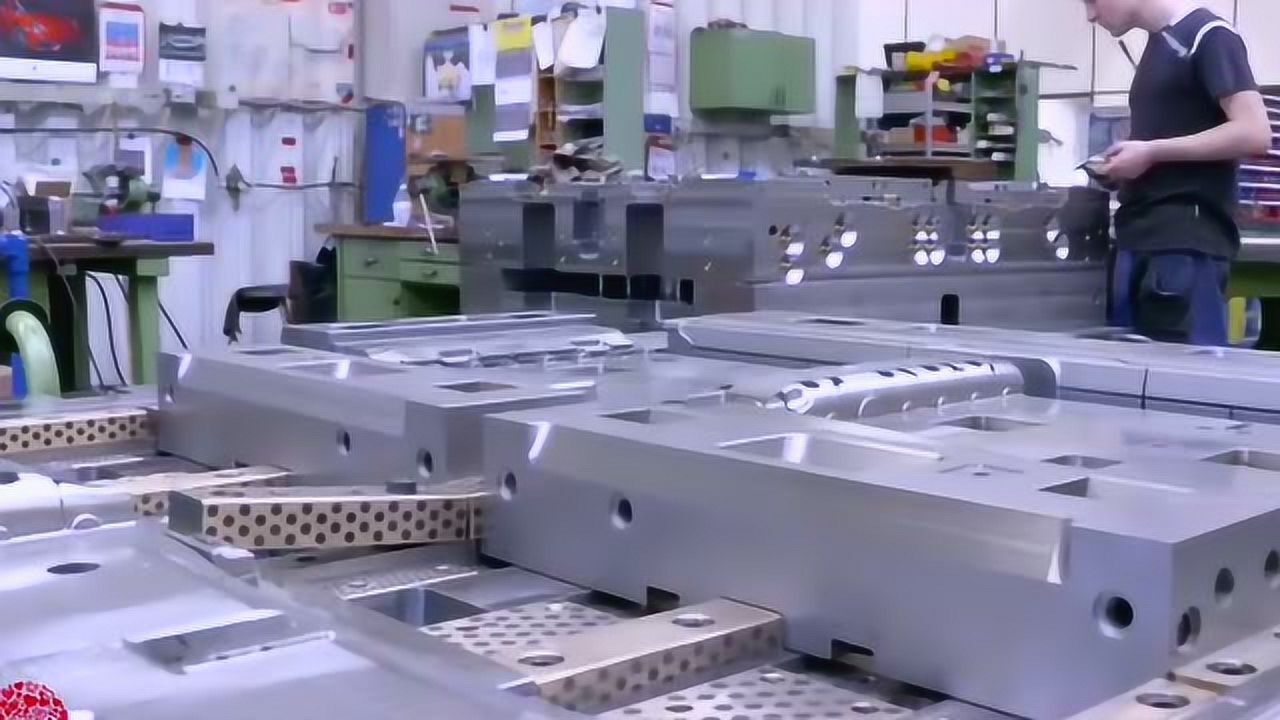
Seattle's climate is mild and rainy year-round, with relative humidity often staying above 70% and winter temperatures rarely dropping below freezing. For mold shops, this means moisture control is a constant battle. In a typical 1,000-square-meter mold workshop, uncontrolled humidity can lead to condensation on steel mold bases, rust on guide pins and ejector plates, and dimensional drift in precision components. Unlike sudden temperature spikes, Seattle's persistent dampness requires continuous dehumidification rather than reactive cooling. Many local shops run industrial dehumidifiers to keep relative humidity between 40% and 55%, and they maintain workshop temperatures around 20–24°C to stabilize mold steel and prevent condensation on chilled water lines.
From a mold maintenance perspective, this climate demands specific practices. First, mold storage areas should be kept dry with desiccant packs or nitrogen blankets for long-term storage of cores and cavities. Second, after each production run, molds must be thoroughly dried and sprayed with anti-rust oil—especially water-line plugs and ejector systems, which trap moisture. Third, CNC and EDM machines need daily checks on air dryer filters and lubricant moisture levels; water-contaminated way oil can accelerate wear on guideways. Seattle shops also schedule mold cleaning more frequently, since humid air carries fine dust that mixes with release agents and clogs vents. These habits reduce unplanned downtime and extend mold life by 15–20% compared to shops that ignore humidity control.
For mold engineers, the takeaway is simple: climate control is not a luxury—it is part of tool maintenance. Whether you operate in Seattle, Shenzhen, or Stuttgart, monitor humidity daily, invest in dehumidification, and document mold storage conditions. A small hygrometer costs less than a rusted core insert. If you are sourcing molds or looking for reliable mold suppliers who understand these environmental factors, visit MoldWorld (www.moldw.com) for more mold sourcing information and industry insights.