The Hidden Hours in Mold Quotations: Are You Calculating Them Right?
September 25, 2026
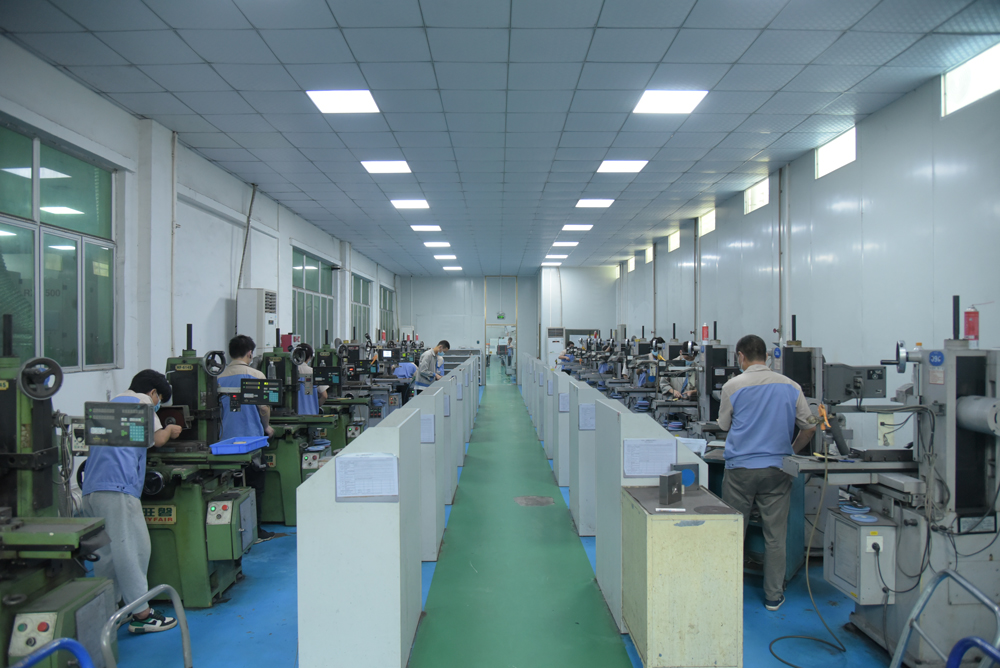
When quoting a medium-complexity injection mold, most cost estimators focus on material and machining rates, yet the real margin killer is hidden labor. Take a core insert: the drawing shows a modest machining area, but actual setup, clamping, dialing in, tool changes, and corner clean-up often consume more time than the cutting itself. I've seen estimators simply multiply theoretical cutting time by a factor, only to lose over 30 hours on CNC alone once the job hits the shop floor. The correct approach is to estimate roughing by material removal rate, finishing by contour length and feed rate, EDM by electrode count and discharge area, then apply a correction factor of 1.2 to 1.5. In moldmaking, that factor isn't padding — it's reality.
From a mold engineer's perspective, every process step carries its own hidden time. Wire EDM includes threading and re-threading; polishing involves benching and stone changes; assembly and trial shots require fit-up, spotting, and adjustment. A single deep rib or thin wall can double polishing hours. Add mold base preparation, waterline drilling, and hot runner wiring, and the gap between quoted and actual hours widens fast. Experienced shops track historical data per mold type — say, 80 to 120 hours for a typical core and cavity set — rather than relying on pure theory. That's how you avoid quoting a job that looks profitable but bleeds cash in the toolroom.
The bottom line: treat hidden hours as a first-class cost driver, not an afterthought. Build a checklist covering setup, tool changes, EDM electrodes, polishing, and trial shots, then validate it against past jobs. If you're sourcing molds or comparing quotes, understanding these invisible hours helps you spot unrealistic prices early. For more mold sourcing information and practical quoting references, visit MoldWorld at www.moldw.com.