Stamping Die Types: A Practical Guide from Single-Station to Progressive Dies
September 24, 2026
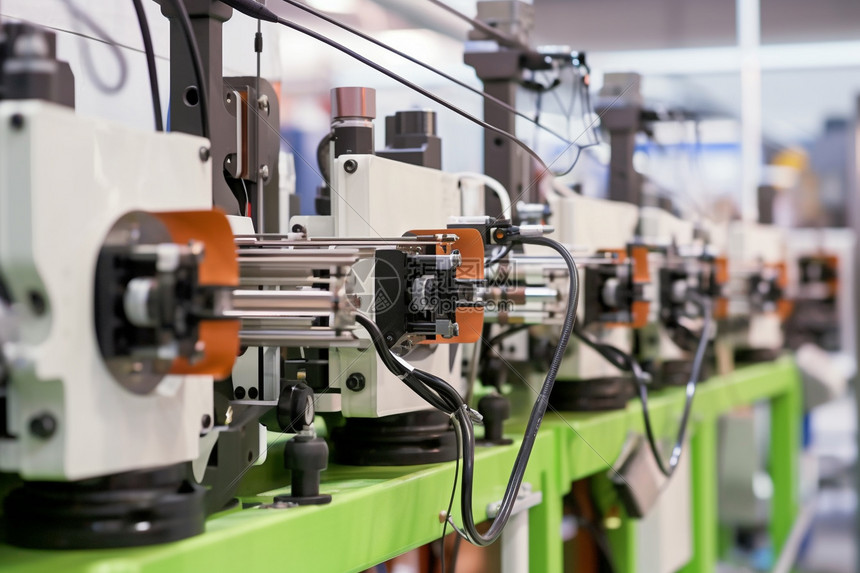
In stamping operations, dies are classified by how operations are combined. A single-station die completes just one operation per press stroke—blanking, piercing, or bending. The structure is simple, tooling cost is low, and it suits low-volume trial production or geometrically simple parts. The trade-off: efficiency is poor, and a multi-operation part requires multiple dies running across separate presses. From a mold-making standpoint, these dies are straightforward to build and maintain, with generous clearance allowances and simple die plates, which keeps lead times short.
At the other end of the spectrum, a compound die packs two or more operations into a single station—classic example being blanking combined with piercing in one stroke. The key design challenge is the nested punch-and-die arrangement, where the blanking punch also serves as the piercing die. This demands tight tolerances, often in the 0.01–0.02 mm range, and careful attention to stripper plate design and slug evacuation. The payoff is doubled productivity, making compound dies ideal for high-volume, small-to-medium parts. Beyond these two, progressive dies distribute operations across multiple stations for continuous coil feeding, while transfer dies move the workpiece between stations mechanically—each with its own tooling and cost profile.
Choosing the right type comes down to matching die complexity against production volume and part tolerance. A mold engineer should evaluate annual output, material thickness, and press tonnage before committing to a design. For small batches, single-station tooling wins on cost; for millions of cycles, progressive or compound dies justify their higher upfront investment through cycle-time savings. For more mold sourcing information, visit MoldWorld at www.moldw.com.