Stamping Process Essentials: Matching Press, Die, and Material for Reliable Parts
September 24, 2026
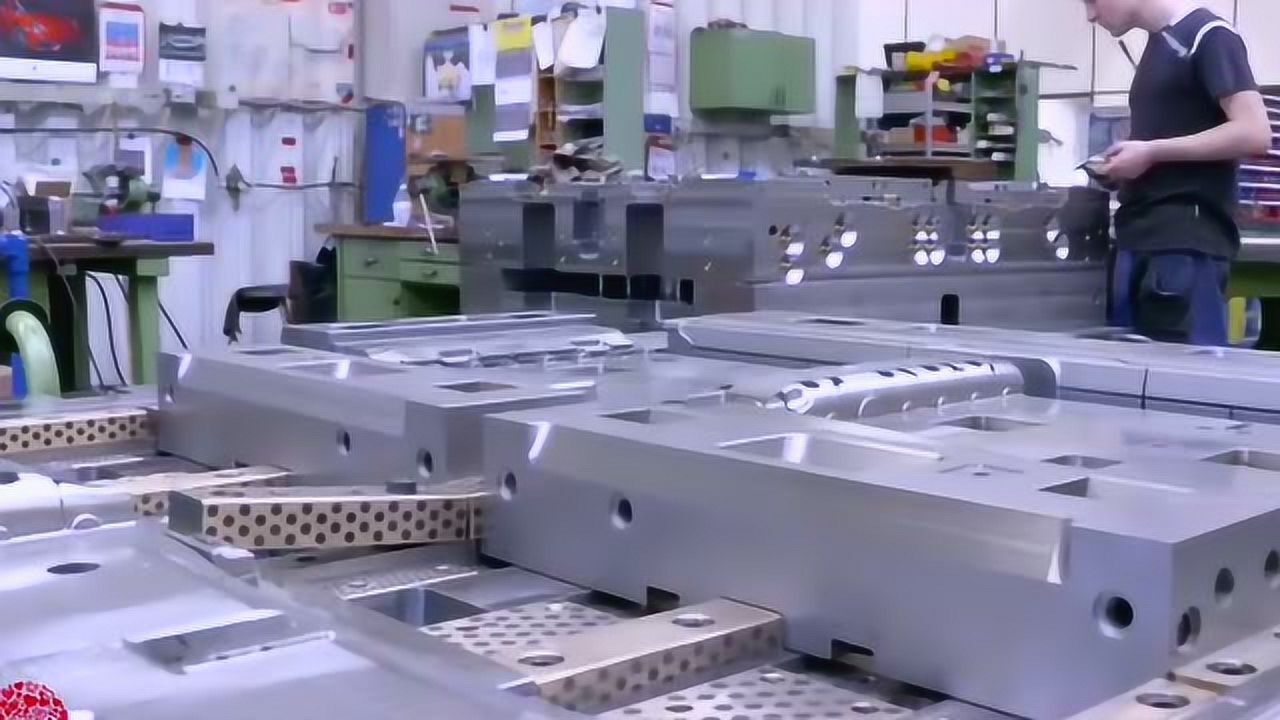
In stamping, the press and die apply force to sheet or strip metal, causing plastic deformation or separation to achieve the required shape and dimensions. Most metal enclosures, connectors, and spring contacts around us come from this process route. The three core elements are the press, the die, and the material. The press determines tonnage and stroke; the die determines forming accuracy; the material directly affects springback and cracking tendency. Anyone who has worked on a stamping line knows that if these three are poorly matched, even the best equipment will not produce a qualified part. From a mold engineer's perspective, this is where die design starts to matter: clearance, punch and die radii, and guide accuracy all translate the press's force into a stable, repeatable cut or form.
In real production, the die set is not just a block of steel. Progressive dies often combine piercing, bending, and trimming stations, so the strip must be fed with precise pitch and consistent coil properties. If the material yield strength varies from lot to lot, the same die can produce different bend angles and burr heights. That is why die tryout is not a one-time event; it is a dialogue between press parameters, die geometry, and incoming material. A common fix on the floor is adjusting the press stroke or cushion pressure rather than recutting the die, but that only works within a narrow window. Once springback exceeds the die's compensation, the root cause is usually material or die wear, not the press.
For mold and die sourcing, the practical takeaway is to specify the stamping process window clearly: tonnage range, die life expectation, and material spec with tolerance on thickness and mechanical properties. This prevents the classic mismatch where a die is built for one coil supplier and fails with another. If you are comparing die makers or stamping suppliers, it helps to review their process capability data, not just the price per hit. For more mold sourcing information, visit MoldWorld at www.moldw.com.