Mold Fundamentals: Classification, Materials, and Practical Selection Points
September 24, 2026
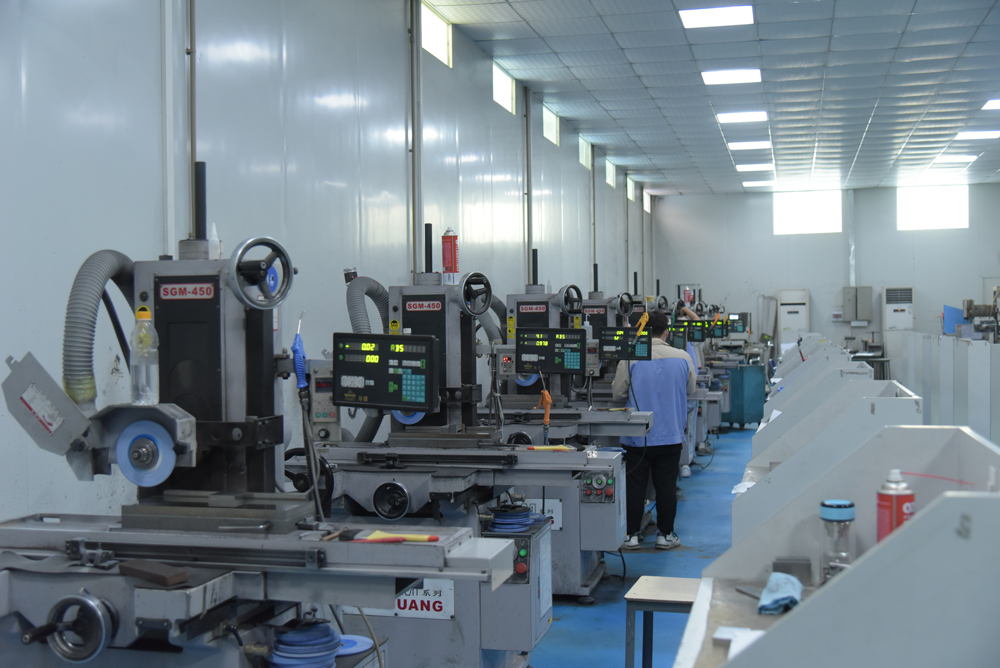
In industrial production, molds are the core tooling behind injection molding, blow molding, extrusion, die casting, forging, and stamping. Their precision and service life directly determine product quality and production efficiency. From a mold engineer's perspective, the first decision is always classification: injection molds for thermoplastics, blow molds for hollow parts, extrusion dies for profiles and sheets, die-casting dies for aluminum or zinc alloys, forging dies for hot or cold metal forming, and stamping dies for sheet metal. Each category imposes different demands on steel grade, hardness, cooling layout, and surface treatment. For example, a high-volume injection mold for engineering plastics typically calls for pre-hardened P20 or 718H, while a die-casting die exposed to thermal fatigue often uses H13 with nitriding or a similar heat-treatment cycle.
Material selection is not just about hardness. Thermal conductivity, wear resistance, polishability, and machinability all matter on the shop floor. A stamping die for thin-gauge sheet may run Cr12MoV or SKD11 at 58–62 HRC, but if the blank is thick or the burr requirement is tight, the die designer must reconsider clearance, die insert structure, and even the press tonnage. Cooling channel design, ejector layout, and parting-line placement are equally critical: a poorly balanced cooling circuit can add several seconds to cycle time, which compounds into significant cost at high volume. In practice, mold life is often limited not by the steel itself but by improper heat treatment, inadequate venting, or abrasive fillers in the resin.
For sourcing and tooling engineers, the key is to match mold class to production volume: a prototype or low-volume run rarely justifies a hardened, multi-cavity tool, while a 24/7 automotive program demands full hardening, hot-runner balance, and documented maintenance intervals. Always review the mold flow analysis, steel certificates, and spare-part list before signing off. For more mold sourcing information and supplier references, visit MoldWorld at www.moldw.com.