Plastic Molding Processes: A Mold Engineer's Guide to Tooling Requirements
September 24, 2026
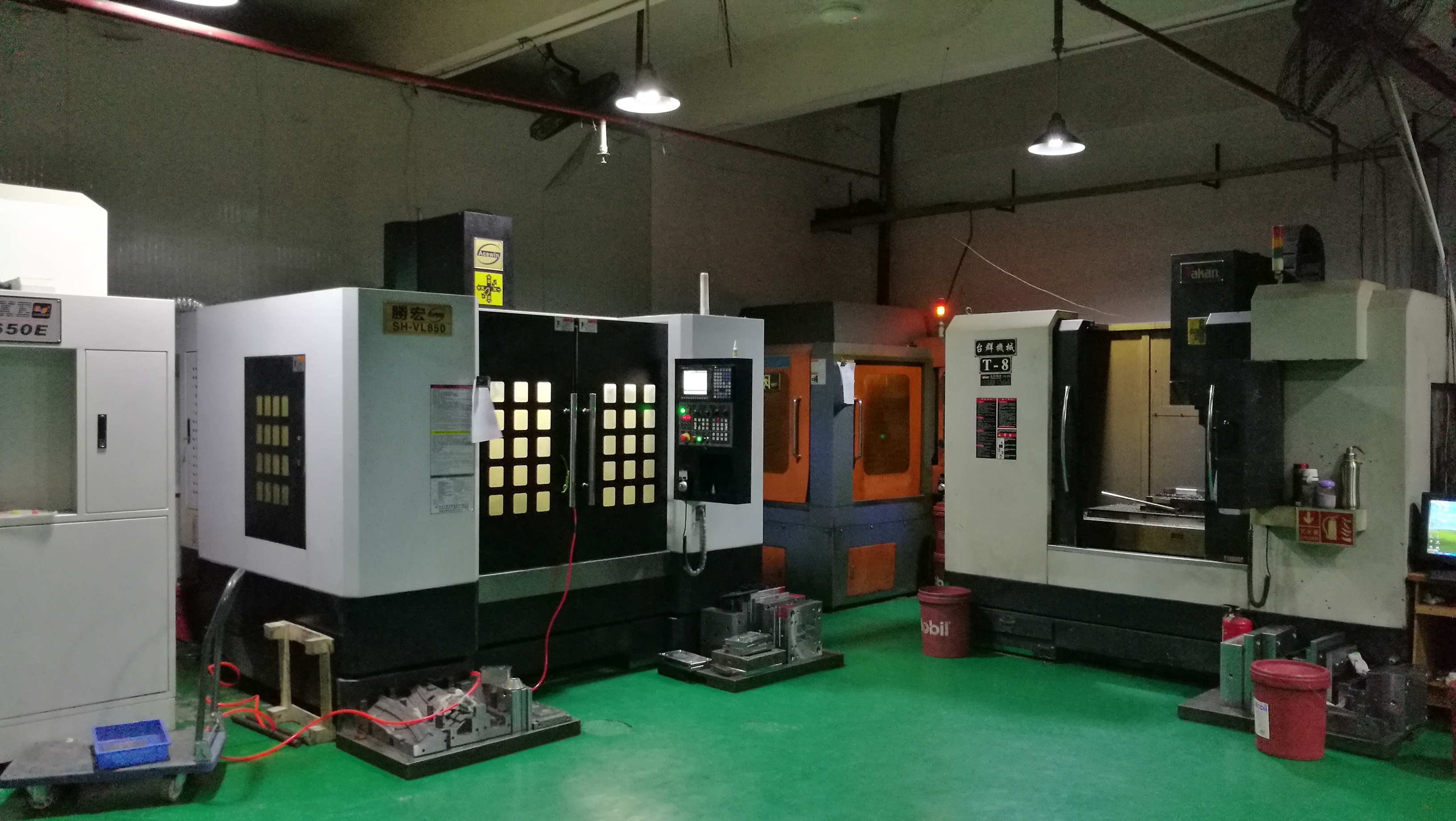
When a customer sends an RFQ for a "plastic part," the first thing I ask is which process they have in mind — because the mold design, steel selection, and cost structure can differ by an order of magnitude across the 23-odd commercial molding routes. Injection molding remains the workhorse: a hardened P20 or H13 cavity, balanced runner system, and cooling channels sized for a 20–80°C mold temperature window. Extrusion dies are a different animal altogether — no cavity-and-core geometry, just a streamlined flow channel with land length typically 15–25 times the die gap to control die swell. Blow molding pins the parison thickness tolerance to the die head gap, and a 1 mm variation there can scrap an entire HDPE bottle run.
Thermoforming and vacuum forming are where tooling budgets drop sharply — an aluminum temperature-controlled mold with vacuum holes at 0.5–1.0 mm diameter often costs a fraction of a steel injection tool, but cycle time climbs and draw ratio limits part geometry. Compression and transfer molds for thermosets need hardened inserts and generous draft (1–3°) because the material flashes easily at parting lines. Calendering rolls must be chrome-plated and internally bored for oil circulation to hold ±0.02 mm gauge on PVC sheet. Foaming — whether EPS bead molding or structural foam injection — adds a gas counter-pressure or steam chamber to the tool, and venting becomes critical to avoid surface defects.
For quoting, the rule of thumb I use: match the process to annual volume first, then let the mold material follow. A 5,000-piece run rarely justifies a multi-cavity hardened tool; a 500,000-piece program almost never survives on soft aluminum. Get the process wrong at the quotation stage and no amount of cycle-time optimization will recover the margin. For more mold sourcing and process selection references, visit MoldWorld at www.moldw.com.