Injection Molding Process and Mold Design: Key Points for Practical Application
September 24, 2026
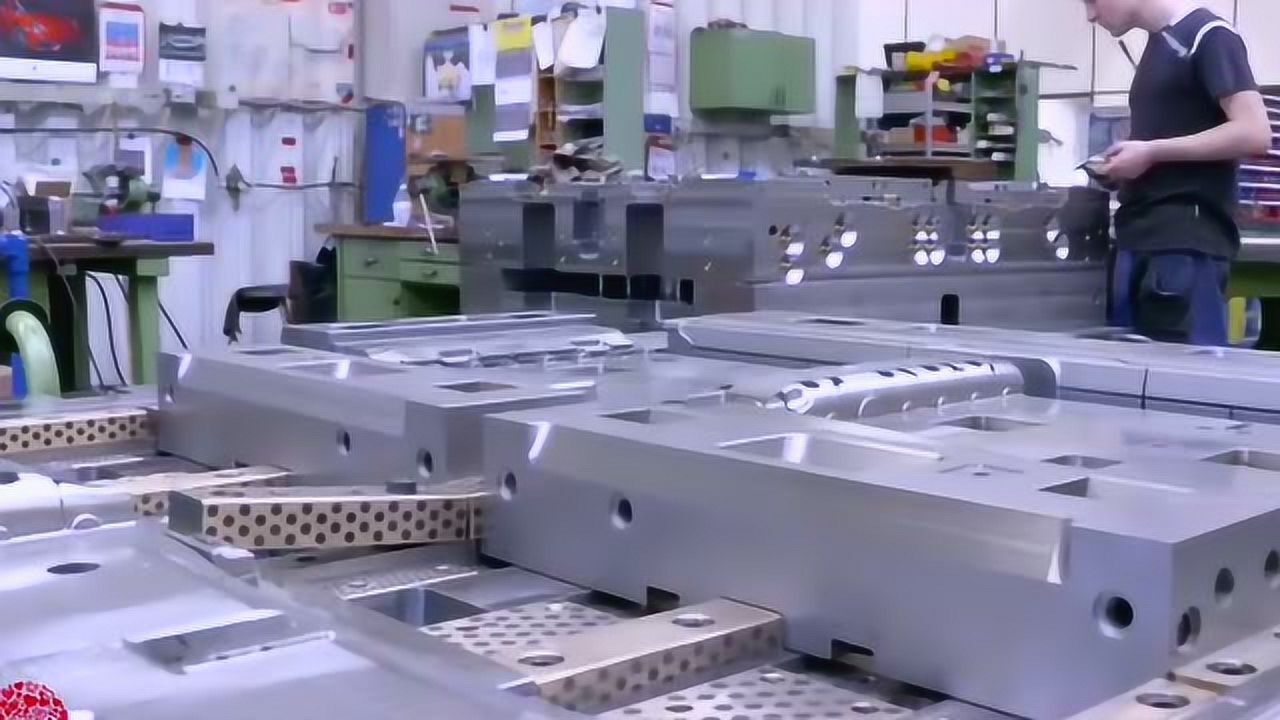
Injection molding remains the backbone of plastic processing, and in my years on the shop floor, I've seen how small process deviations can make or break a production run. The core parameters—barrel temperature, injection pressure, holding pressure, and cooling time—must be tuned to the specific resin and part geometry. For instance, semi-crystalline materials like POM or PA66 require tighter mold temperature control to achieve consistent crystallization, while amorphous resins such as ABS or PC are more forgiving but prone to residual stress if packing is insufficient. Gate location and runner design are equally critical: a poorly placed gate can cause weld line weakness or warpage that no amount of process tweaking will fix. In practice, I always recommend a mold flow analysis before cutting steel, because fixing a bad gate design after the fact costs far more than the simulation itself.
From a mold design standpoint, steel selection and cooling layout deserve more attention than they often get. For high-volume runs with abrasive glass-filled resins, hardened tool steel like S136 or H13 is non-negotiable; using cheaper P20 may save upfront cost but leads to premature wear and flash. Cooling channel placement should follow the part's thickest sections first—typically within 1.5 to 2.5 times the diameter of the channel from the cavity surface. Baffles and bubblers are essential for deep cores or tall ribs. Ejection design also matters: ejector pin placement on draft angles or structural ribs can leave stress marks, so using sleeve ejectors or air poppets on cosmetic surfaces is a common fix. I've also learned that venting is the most overlooked detail—without proper vents (0.02–0.03 mm deep), trapped gas causes burn marks and short shots that operators often misdiagnose as low injection speed.
At the end of the day, good molding is a marriage of process discipline and mold robustness. Keep a log of your process windows for each mold, and don't be afraid to adjust holding pressure profiles or cooling times as the weather changes—humidity affects hygroscopic resins more than most people realize. If you're sourcing molds or need a second opinion on a tricky design, visiting MoldWorld (www.moldw.com) can connect you with experienced suppliers and technical resources. It's a practical stop for anyone who wants to avoid the costly trial-and-error that too many of us have lived through.