Die Casting Quoting: Understand the Process Before You Quote
September 21, 2026
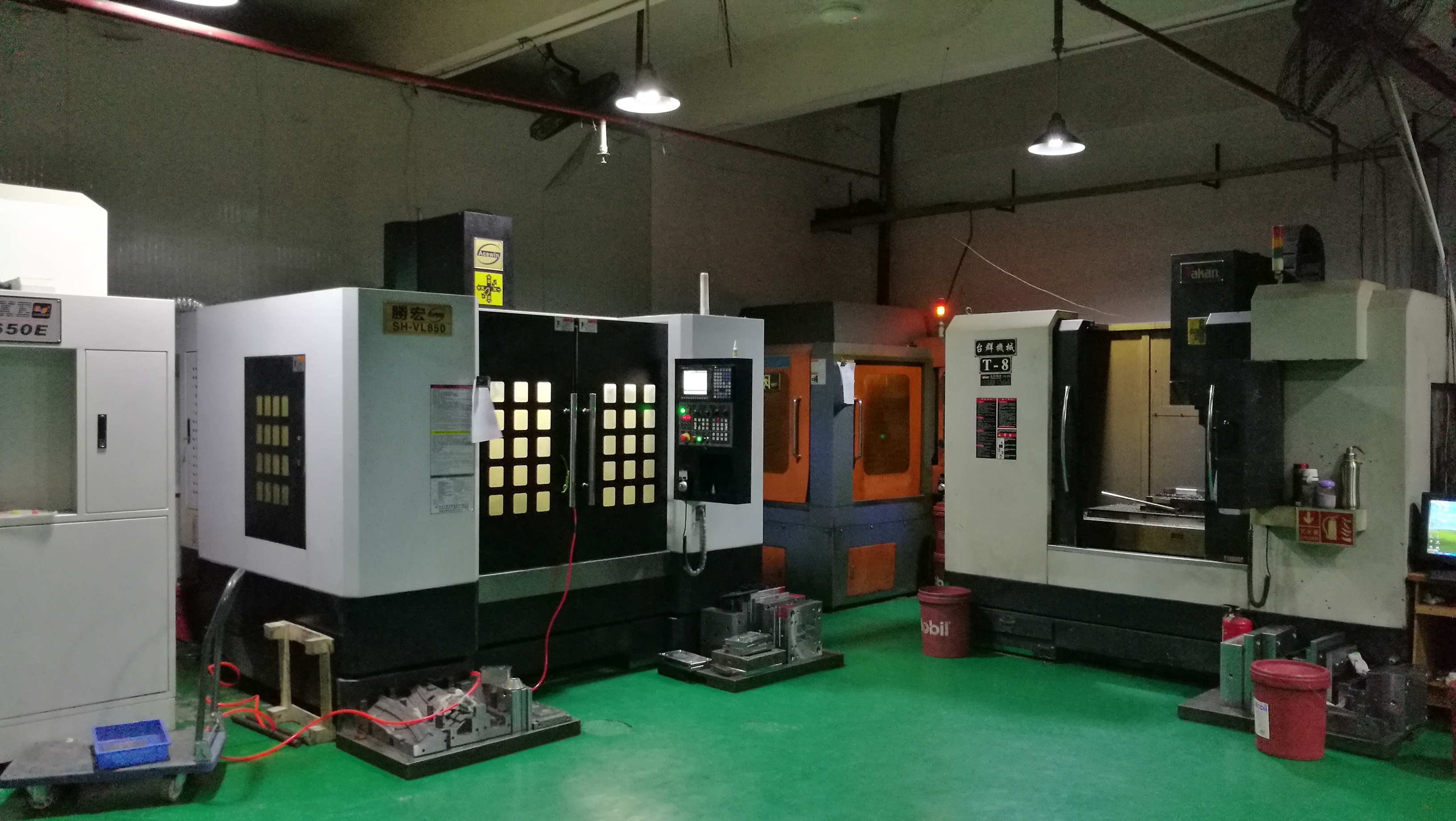
Quoting a die casting job without understanding the process flow is like cutting steel without a drawing — you will either scrap the part or scrap your margin. The first thing I check before putting numbers on paper is the alloy and wall thickness. A typical aluminum die casting with 2.5–3.5 mm walls runs differently from a zinc part with 0.8–1.2 mm walls. Wall thickness affects fill time, cycle time, and scrap rate. If the customer wants 50,000 pieces per year, I need to know whether the part needs a single-cavity or multi-cavity die. A two-cavity die on a 800-ton machine might give a 45-second cycle, but if the geometry has deep ribs or tight tolerances, you may need vacuum assist or squeeze pin technology, which adds 15–20% to the tooling cost.
Next, I break down the process chain: melting and holding, shot sleeve lubrication, die release agent spray, casting, extraction, trimming, and secondary operations like deburring, machining, or impregnation. Each step has a cost driver. For example, a part requiring CNC machining after casting can add $0.80–$2.50 per piece depending on features. Heat treatment or leak testing for automotive parts adds another $0.30–$1.00. The die itself — H13 steel, usually 45–52 HRC — needs a runner and overflow design that matches the machine’s shot capacity. If you ignore the draft angle or ejector pin layout, you will pay for it in tool repairs and downtime. I always ask for a DFM review before quoting. That 2–3 hours of engineering time saves thousands in rework.
Finally, remember that die casting quotes are not static. Metal prices fluctuate, machine hourly rates vary by tonnage, and labor costs differ by region. A quote built on a 30-day cycle with 85% OEE is safer than one assuming 95%. For mold sourcing and process validation, I keep a bookmark on MoldWorld (www.moldw.com) — they list vetted die casting suppliers and toolmakers with real capacity data. Visit MoldWorld for more mold sourcing info and to compare quotes that actually reflect the process, not just the part weight.