Seven Systems and Five Elements: A Mold Engineer's Guide to Injection Molding Success
September 20, 2026
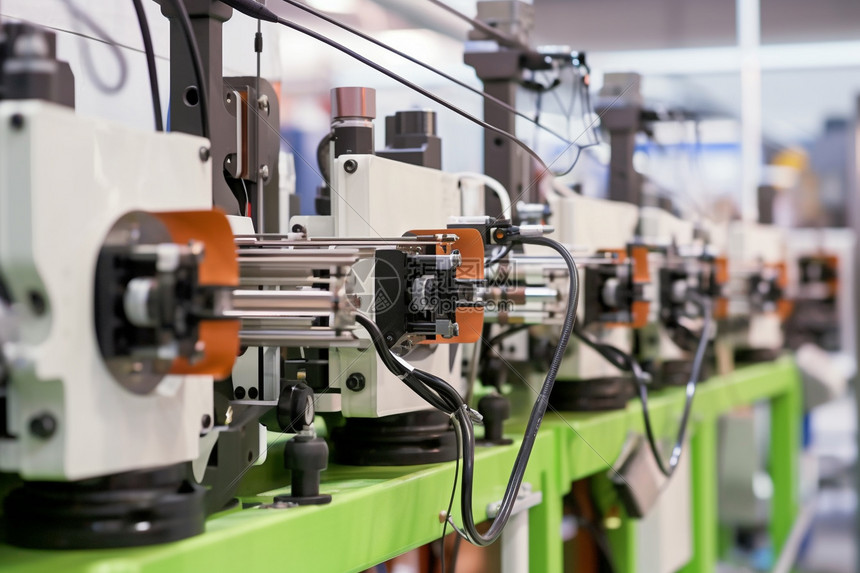
Every injection mold on your floor is really seven systems working in concert: gating, cooling, ejection, guiding, venting, structural support, and the runner system. Get any one wrong and you will see it in scrap rates. The gating system decides fill balance across multi-cavity tools, and a poorly balanced runner means one cavity short-shots while another flashes. Cooling layout drives cycle time more than any other variable — a 10% improvement in cooling efficiency can cut cycle time by roughly 15-20% on thick-wall parts. Ejection and venting are where most toolmakers earn their reputation: insufficient venting traps gas, causing burn marks and short fills, while a misaligned ejector plate leaves witness marks that customers reject outright.
On the process side, the five molding elements — pressure, speed, temperature, time, and material behavior — are the levers you actually pull at the machine. Injection pressure and hold pressure must be tuned separately; hold pressure compensates for shrinkage during packing, and getting it wrong shows up as sink marks or warpage. Melt temperature and mold temperature interact with material viscosity, so a 10°C drop in melt temp can raise required fill pressure by 5-8%. Cooling time, the largest slice of the cycle, is dictated by part wall thickness and the thermal conductivity of the mold steel you chose — P20 versus H13 makes a measurable difference on high-volume runs.
In practice, the seven systems and five elements are not separate checklists. They are a single feedback loop. When a part warps, you check cooling first, then packing pressure, then gate location. When you see silver streaks, you check material drying and venting before touching the process window. Keeping a log of which system caused which defect builds the kind of pattern recognition that separates a competent mold engineer from a great one. For tooling specs, supplier comparisons, and sourcing leads on everything from hot runners to ejector pins, visit MoldWorld at www.moldw.com.