Injection Molding Cycle Time and Quotation Logic: The Cost Account from 3 Seconds to 60 Seconds
September 20, 2026
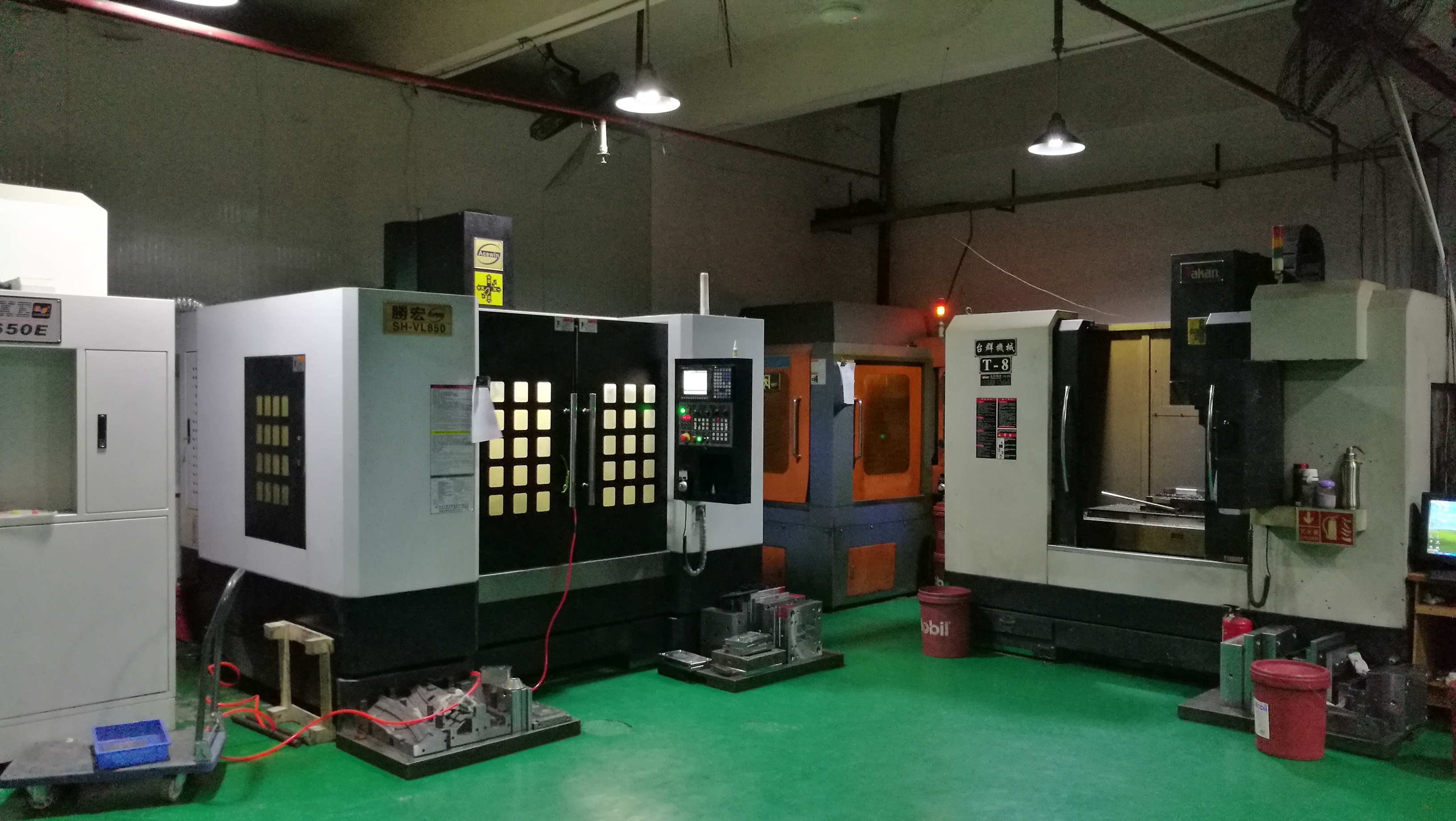
When a customer asks why a 50g ABS part costs more than a 60g PP part, the answer usually isn't in the resin price—it's in the molding cycle. A thin-wall connector housing might run a 3-second cycle in a 4-cavity hot-runner mold, while a thick-sectioned automotive bracket can take 60 seconds to cool in a 1-cavity tool. That 20x difference in cycle time means the machine hour rate is spread over vastly different part volumes. On a 250-ton press running at $45/hour, a 3-second cycle with 4 cavities yields a theoretical output of 4,800 parts/hour, or roughly $0.0094/part in machine cost alone. The same press running a 60-second cycle in a single cavity produces 60 parts/hour, pushing machine cost to $0.75/part—before resin, labor, or scrap. Mold builders know this math cold: cavitation and cooling layout aren't just tooling decisions, they're quotation decisions.
Material loss is the other silent cost driver. Cold runners generate regrind that may or may not be reusable depending on the resin and customer spec. Hot-runner systems eliminate runner scrap but add tooling cost and maintenance complexity. A 4-cavity cold-runner mold might waste 30-40% of each shot as runner material, while a valve-gated hot runner can cut that to under 5%. Then there's scrap rate: a well-built mold with optimized cooling and ejection might run 2% scrap, while a poorly gated tool can hit 8-10%. On a $0.50 part, that 6% difference is $0.03—enough to lose the job. Experienced mold engineers quote from the tool up, not the part down.
The takeaway for buyers and molders alike: request a cycle-time breakdown and cavitation plan before accepting a unit price. If the quote doesn't mention cooling time, runner type, or scrap allowance, it's a guess, not a quote. For more mold sourcing information and supplier comparisons, visit MoldWorld at www.moldw.com.