Mold Base Structure Design: 24 Typical Configurations and Their Technical Essentials
September 19, 2026
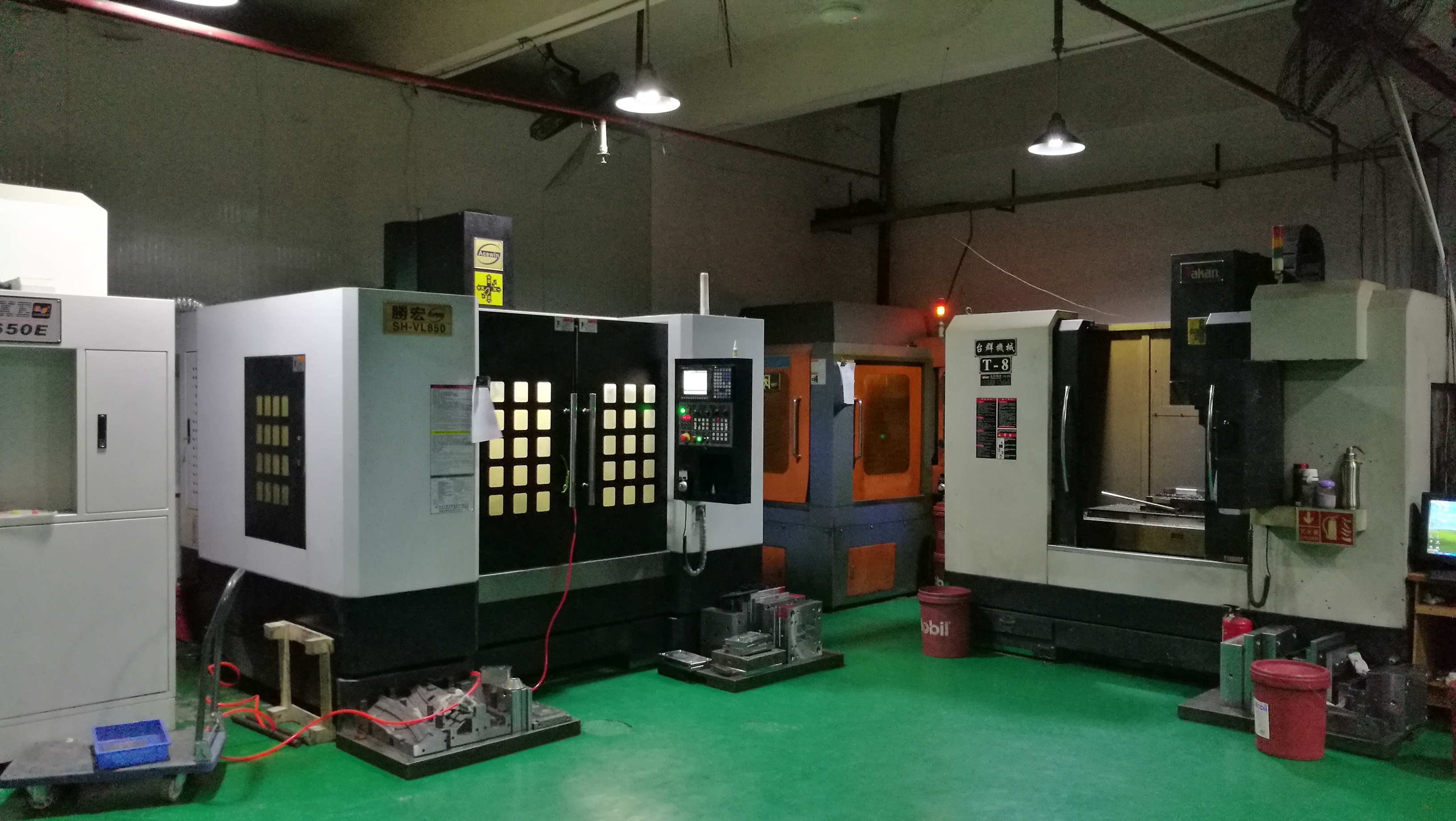
When you are quoting a new injection mold, the mold base structure is often the first thing that determines cost and cycle time. A standard two-plate (A/B plate) base remains the workhorse for simple, single-cavity parts, but once you move into multi-cavity or engineering resins, the choice gets more complicated. The 24 typical configurations commonly referenced in mold design cover everything from basic two-plate and three-plate (runner stripper) bases to stack molds, hot runner systems, and unscrewing molds for threaded parts. Each has a direct impact on parting line location, runner waste, and tooling lead time. For example, a three-plate base adds a stripper plate for automatic degating, but it also increases mold height by 30–50 mm and requires a longer nozzle stroke—something you must factor into the injection machine specification before quoting.
From a mold engineer’s perspective, the critical parameters are plate thickness, guide pillar diameter, and ejector stroke. A typical 2-cavity mold for a 100 g ABS part might use a 250×250 mm base with A/B plates of 50 mm and 60 mm, respectively, and a 25 mm guide pillar. If you switch to a hot runner system, you eliminate the runner waste but add a manifold plate and thermal gates—raising the base cost by 40–60% while cutting cycle time by 15–20% for thin-wall parts. Stack molds can double output without a larger machine, but they demand precise synchronization of the ejector system and a taller tie-bar clearance. These are not theoretical numbers; they come from real shop-floor trials where a wrong plate thickness led to flash or core shift.
For quoting, always match the mold base to the part’s annual volume and material. A 500,000-shot run with glass-filled nylon will justify a hardened base with nitrided guide pillars, while a 10,000-shot prototype can use a standard base with soft plates. Keep a checklist of 24 configurations handy—it prevents you from under- or over-engineering the tool. If you need to source mold bases or compare suppliers, visit MoldWorld (www.moldw.com) for more mold sourcing information and technical resources.