Mold Basics: Classification, Structure, and Material Selection That Actually Matter
September 19, 2026
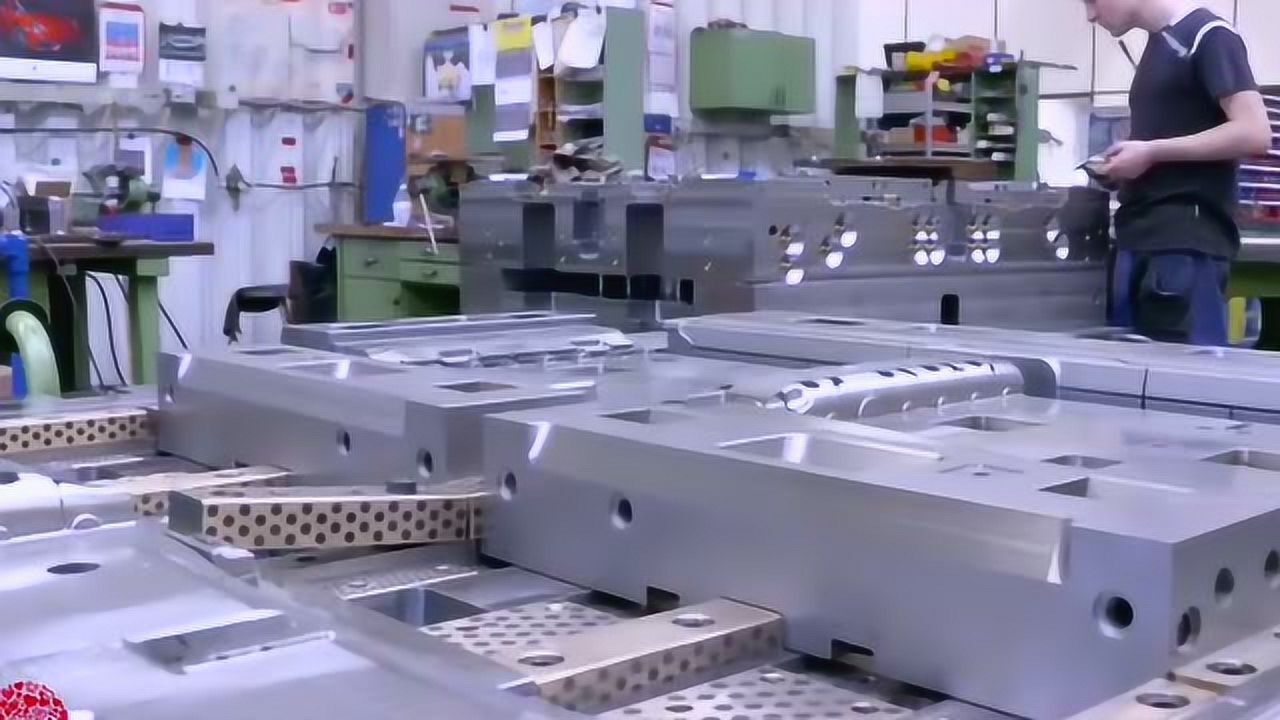
In our trade, the mold is the mother machine—get the basics wrong and every shot after that pays for it. Molds split into several working families: injection molds for thermoplastics, compression and transfer molds for thermosets and rubber, blow molds for hollow parts, and die-casting molds for aluminum, zinc, and magnesium. On the stamping side, we deal with blanking, bending, drawing, and progressive dies. Each type dictates its own steel and heat treatment. A typical two-plate injection mold still runs the same core stack: cavity and core inserts, a sprue bushing, runner system, ejector plate and pins, guide pillars and bushings, and a cooling circuit that often decides cycle time more than the machine does. Add slides and lifters when you have undercuts, and hot runners when regrind and runner waste hurt the numbers.
Material selection is where experience beats a catalog. For high-volume ABS or PP parts, P20 (1.2311) pre-hardened around 30–34 HRC is the workhorse for cores and cavities, and it machines fast. When you need abrasion resistance for glass-filled nylon, step up to H13 (1.2344) or S136 (1.2083) stainless for corrosive PVC, hardened to 48–52 HRC. Die-casting dies for aluminum usually run H13 with a nitrided surface, because thermal fatigue cracks start at the gate and sharp corners. Don't forget the small stuff: ejector pins in SKD61, guide bushings in bronze or hardened steel, and a proper 1–2 degree draft on every wall. Cooling lines should sit roughly 1.5 to 2 times the wall thickness from the cavity surface—closer cools faster but risks weld lines and hot spots.
None of this is theory when you're standing at the bench. Check shrinkage per resin (ABS runs about 0.4–0.7%, PP closer to 1.0–2.5%), confirm the tonnage against projected area, and always verify venting before you blame the cycle. A mold that's classified right, built with the right steel, and cooled properly will outrun a fancy design every time. For sourcing molds, comparing suppliers, and more hands-on mold information, visit MoldWorld at www.moldw.com.