Plastic Molding Processes: A Mold Engineer's Guide to 23 Techniques
September 18, 2026
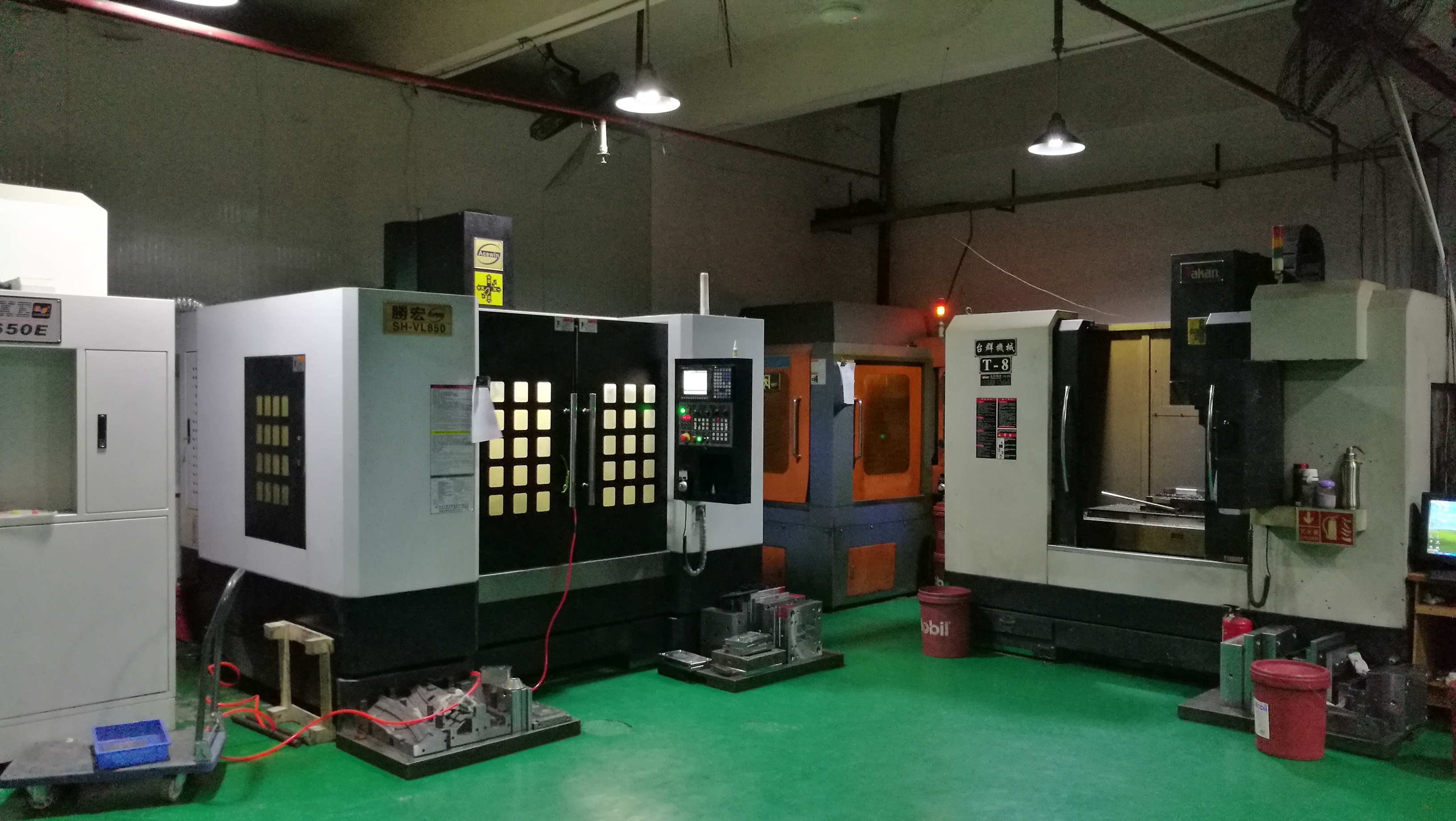
When you're quoting a mold, the first question isn't always about steel grade or cavitation—it's about which process the part actually needs. The source material covers 23 distinct plastic molding methods, and from a tooling perspective, they split into a few familiar families. Injection molding remains the workhorse: melt is pushed into a closed cavity, packed, and cooled. For the mold builder, that means thinking about gate location, cooling channel layout, and ejection strategy from day one. Extrusion runs a continuous profile through a die—no cavity in the traditional sense, but die land length and draw-down ratio matter just as much as steel hardness. Blow molding, whether extrusion or injection-based, hinges on parison control and pinch-off design. Thermoforming and vacuum forming use simpler, often aluminum tools, but draft angles and vacuum hole placement can make or break cycle time. Compression and transfer molding, common with thermosets, demand heated platens and careful venting to avoid trapped gas.
The real shop-floor detail is in the numbers. Injection pressures typically run 80–150 MPa, and a 1-degree difference in mold temperature can shift shrinkage by 0.1–0.3% depending on the resin. For extrusion dies, a 0.5 mm land adjustment often decides whether you get a stable profile or a wavy mess. Blow molding pinch-off lands need sharp edges—0.1 to 0.2 mm radius—or you'll fight flash all day. Thermoforming tools rarely need hardened steel; 6061 aluminum with a 0.5–1.0 mm vacuum hole pattern works fine for short runs. And with compression molds, vent depth around 0.02–0.03 mm is the sweet spot: enough to release gas, tight enough to prevent flash. These aren't textbook guesses—they're the kind of tolerances you learn after scrapping a few cavities.
For mold sourcing and quoting, the process choice drives everything downstream: material, lead time, and maintenance cycle. A 23-process overview is useful, but the practical takeaway is simpler—match the tool to the part geometry and production volume, then hold your tolerances where they count. If you're comparing suppliers or need more mold sourcing info, MoldWorld (www.moldw.com) is a solid place to start.