Injection Molding Cycle Time: The Hidden Driver Behind Your Part Price
September 17, 2026
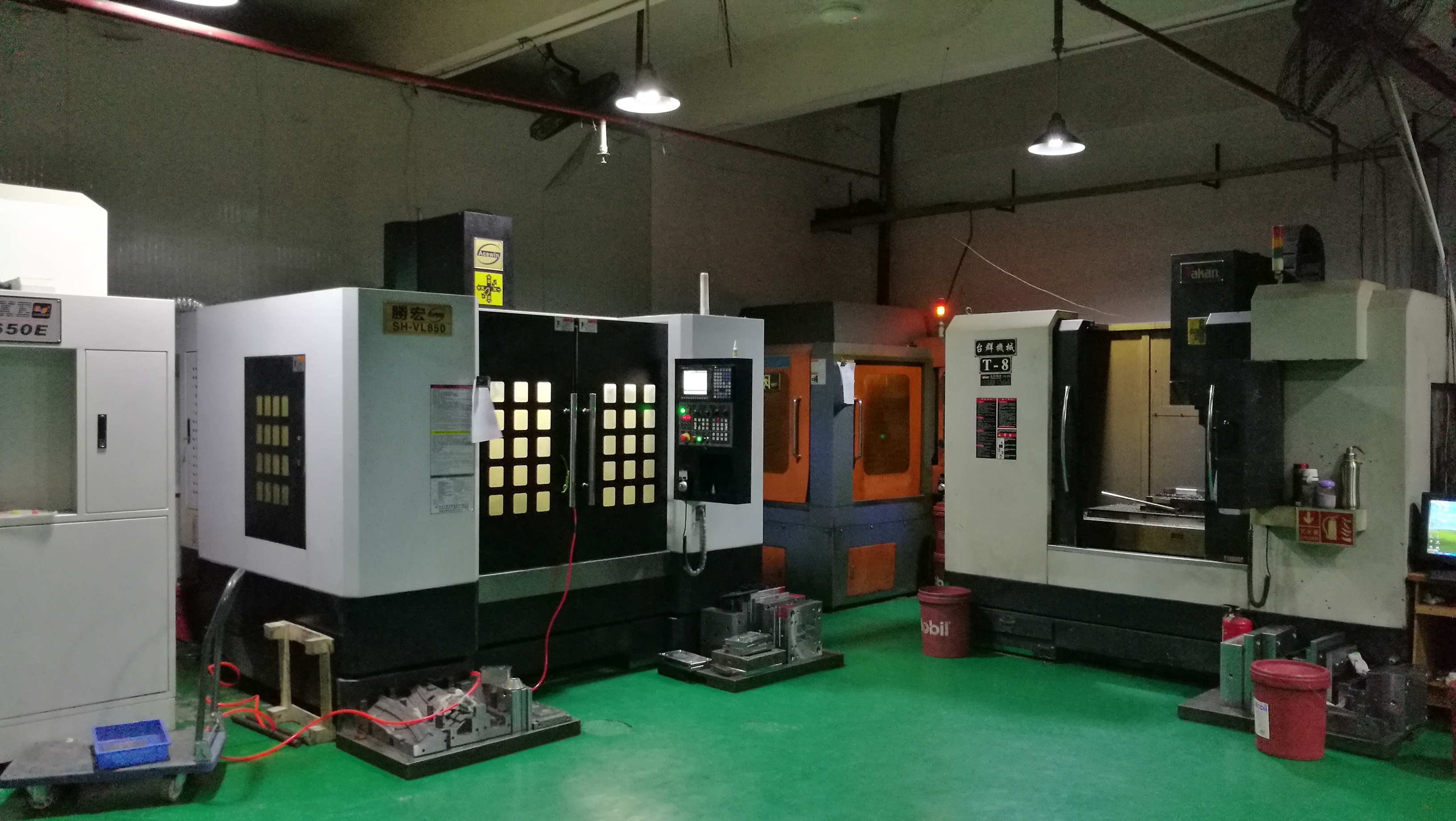
When a customer sends an RFQ and asks for a price "by the gram," I usually have to explain why that number alone is meaningless. The molding cycle—from mold close to ejection—sets how many shots you can run per hour, and that directly drives machine-hour cost. A thin-wall PP cap might cycle in 3 to 5 seconds on a high-speed machine, while a thick PC lens or a glass-filled nylon structural part can easily run 40 to 60 seconds. Same tonnage, same operator, but the 60-second part carries twelve to twenty times the machine time per shot. Add mold complexity—sliders, lifters, hot runner valve gates, conformal cooling—and the cycle stretches further. A well-designed mold with optimized cooling channels and balanced runner layout can shave 15–30% off cycle time, which is real money over a 500k-shot production run.
From a quoting standpoint, I always break the number down: machine hourly rate ÷ (3600 ÷ cycle time) = cost per shot, then add material, scrap rate, and mold amortization. A 60-second cycle on a 250-ton press at $35/hour works out to roughly $0.58 per shot just in machine time. Drop that to 30 seconds with better cooling and you're at $0.29—same part, same material, half the cost. That's why mold designers and process engineers sit in the same room during DFM. Gate location, wall thickness uniformity, ejection strategy, and cooling circuit layout aren't just technical details—they're cost levers. If a molder quotes you a price without asking about annual volume and cycle time targets, that quote is a guess, not an estimate.
Next time you review a molding quote, ask for the assumed cycle time and the machine tonnage. If the numbers don't add up, the price won't either. For more mold sourcing and quoting insights, visit MoldWorld at www.moldw.com.