Injection Molding: Process Control and Mold Design Essentials
September 17, 2026
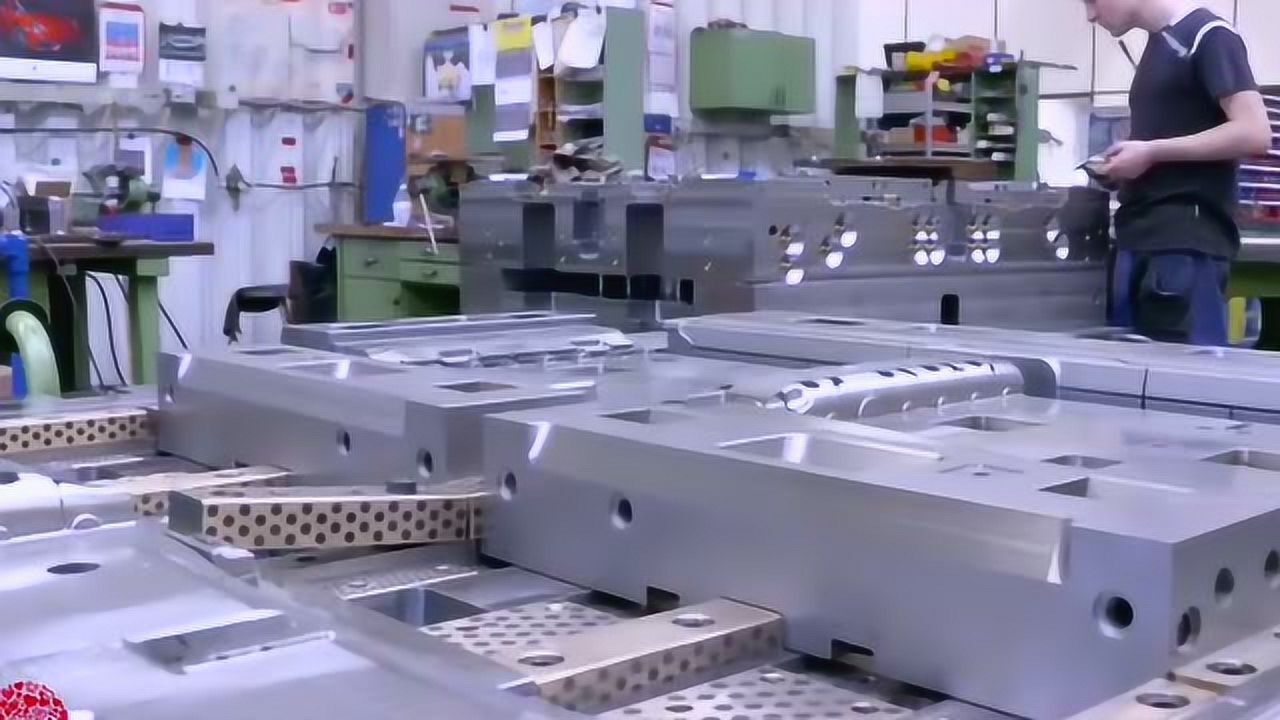
Injection molding remains one of the most efficient and precise plastics processing methods, but getting consistent parts requires tight coordination between material, mold, and machine. From a mold engineer's perspective, the first decision is gate location and type. A poorly placed gate causes weld lines, warpage, or short shots. For a typical ABS part with a 2 mm wall, we usually target a fill time of 1–2 seconds and a melt temperature around 230–250°C. Packing pressure should be 50–80% of injection pressure, with hold time long enough to seal the gate but not so long that it over-packs the cavity. Cooling time often accounts for 60–70% of the cycle, so conformal cooling channels or baffles in cores can cut cycle time by 15–20% on thick sections.
On the mold design side, draft angles matter more than many people think. A minimum of 1° per side is standard for smooth surfaces, but textured areas need 1.5–2° extra. Ejector pin placement should avoid thin ribs or bosses that can crack. For glass-filled nylon, we harden the gate area to 48–52 HRC and use a tapered sprue with a 2–3° included angle. Venting is another detail that gets overlooked: without proper vents (0.02–0.03 mm deep), trapped air burns the material and creates black streaks. A well-vented mold also reduces injection pressure by 10–15%, which saves energy and reduces flash risk.
In practice, the best results come from running a scientific molding study—varying fill speed, transfer position, and pack pressure in a designed experiment. That data, combined with a mold that has balanced runner systems and adequate cooling, gives you a repeatable process window. If you need to source molds or find vetted mold makers for your next project, visit MoldWorld at www.moldw.com for more mold sourcing information.