Mold Basics: Classification, Structure, and Quotation Logic
September 15, 2026
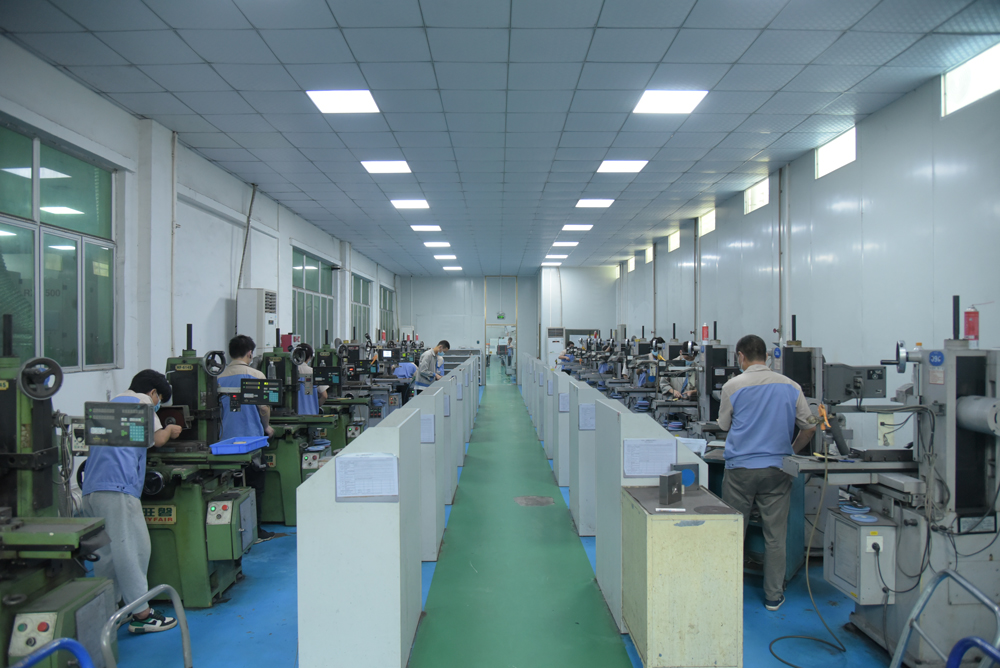
In mold making, classification is the first thing to nail down because it directly affects structure and cost. Stamping dies, injection molds, die-casting molds, and blow molds each have distinct design logic. Take a standard two-plate injection mold: the cavity and core insert, sprue bushing, guide pins and bushings, ejector plate assembly, and cooling channels form the core structure. A typical medium-sized mold for an automotive interior part may use P20 or 718H steel for the cavity, with a mold base sized around 400×500 mm. These details matter because they determine machining hours, heat treatment, and assembly time.
Quotation logic is where many engineers get stuck. Mold pricing is not just steel weight multiplied by a rate. A practical formula considers: material cost, design hours, CNC and EDM machining time, wire cutting, polishing, heat treatment, and trial runs. For example, a mold requiring 120 hours of CNC roughing and 80 hours of EDM finishing will quote significantly higher than one with simple straight-pull geometry. Additional factors include slider and lifter count, surface finish grade (SPI A1 vs. B2), and expected cycle life. A 500,000-shot mold needs better steel and tighter tolerances than a 50,000-shot prototype tool, and the quote should reflect that difference.
From a shop-floor perspective, the best way to control mold cost is early DFM review. Catching a wall-thickness issue or an undercut that forces a slider before steel is cut can save 15–30% of total mold cost. Keep a checklist: part geometry, draft angles, gate location, ejection strategy, and cooling layout. These are the real levers behind any quotation. For more mold sourcing and supplier information, visit MoldWorld at www.moldw.com.