Plastic Molding Processes: A Mold Engineer's Guide to Injection, Blow, and Thermoforming
September 15, 2026
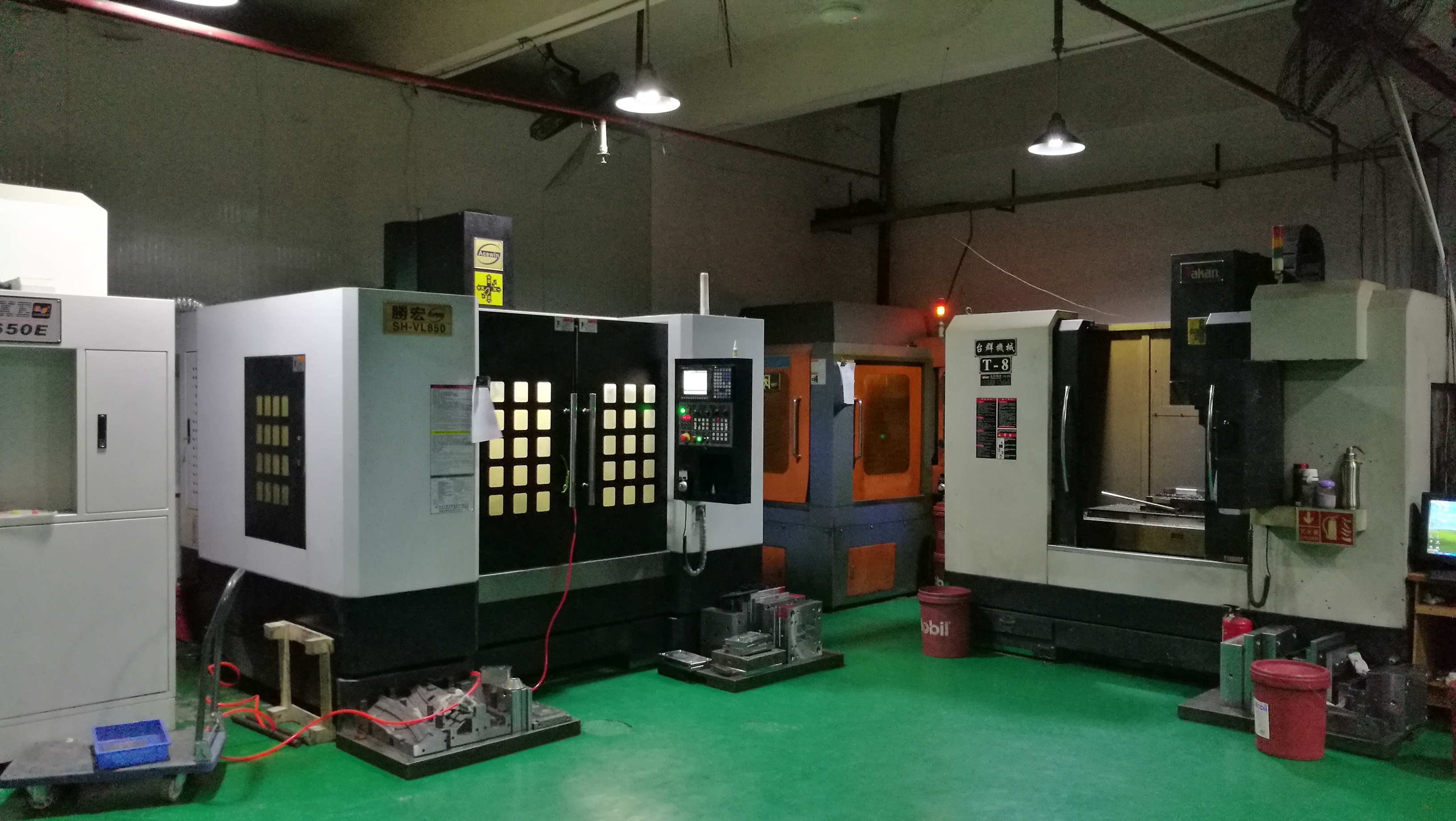
When we talk about plastic molding, injection molding is still the workhorse. A typical mold runs a two-plate or three-plate structure, with cavity pressure often reaching 30–50 MPa and melt temperatures ranging from 200°C to 300°C depending on the resin. For a 100-ton machine, shot sizes usually fall between 50 and 300 grams. The key is gate location and cooling layout—poor cooling can add 15–20% to cycle time. From a tooling perspective, we always check draft angles (minimum 1–2°), wall thickness uniformity (ideally 1.5–3 mm), and ejector pin placement before cutting steel. Blow molding, by contrast, relies on parison control and mold clamping force; extrusion blow molds often use aluminum for faster cooling, while injection blow molds demand tighter tolerances on the neck finish.
Thermoforming (vacuum and pressure forming) is a different animal. Here the mold is usually made from aluminum or even epoxy resin, because pressures are low—often under 1 MPa. But you still need vacuum holes (0.5–1.0 mm) and temperature control within ±5°C across the sheet. For thick-gauge parts, we use matched-metal molds to avoid webbing. Rotational molding, another common method, uses biaxial rotation and a mold that's often cast aluminum; cycle times can run 20–40 minutes, so wall thickness distribution is critical. The takeaway: match the process to the mold material and production volume. A prototype might use a 3D-printed mold, but a 100k-run job needs hardened steel with proper venting.
In my daily quoting work, I see engineers underestimate cooling and ejection costs. A simple change—like switching from straight cooling channels to baffles or bubblers—can cut cycle time by 10–15% and pay back the mold modification in weeks. Also, always ask for a mold flow analysis before committing to a design. For more mold sourcing and technical insights, visit MoldWorld at www.moldw.com.