Injection Mold Structure Selection and Parameter Tuning: A Practical Guide
September 13, 2026
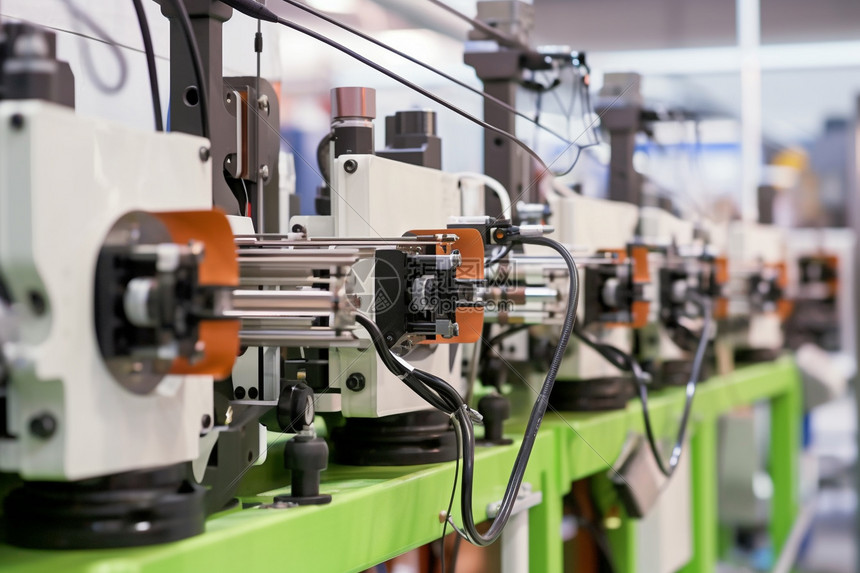
When injection molded parts show defects, the root cause often traces back to two things: wrong mold structure selection and chaotic parameter tuning logic. From a mold engineer's perspective, the four main structural categories—two-plate, three-plate, hot runner, and stack molds—each dictate different gating, ejection, and thermal profiles. A two-plate mold works well for simple, single-face parts, but if you're running engineering resins with tight dimensional tolerances, a hot runner system usually pays off by eliminating runner waste and stabilizing melt temperature. The key is to match structure to part geometry and production volume before touching any machine settings.
Once the structure is locked in, follow a ten-step tuning sequence: start with barrel temperature and mold temperature, then move to injection speed, holding pressure, holding time, cooling time, screw speed, back pressure, shot size, and finally clamp force. Skipping steps or jumping straight to holding pressure is where most shops get into trouble. For example, on a 100-ton machine running ABS, setting mold temperature at 60–80°C and holding pressure at 50–70% of injection pressure gives you a solid baseline. Adjust one variable at a time and document each change—this alone cuts debugging time by half. Also check gate freeze-off; if the gate seals too early, holding pressure becomes useless regardless of how you set it.
In practice, defects like short shots, flash, sink marks, and weld lines are rarely random—they're signals pointing to a specific structure-parameter mismatch. A three-plate mold with a pin-point gate, for instance, needs lower injection speed to avoid gate blush, while a hot runner valve gate demands precise open/close timing to prevent stringing. Keep a log of successful parameter sets per mold and material; over time, this becomes your shop's most valuable reference. For more mold sourcing and technical resources, visit MoldWorld at www.moldw.com.