Is Die Casting Worth the Tooling Investment? Key Factors Before You Quote
September 13, 2026
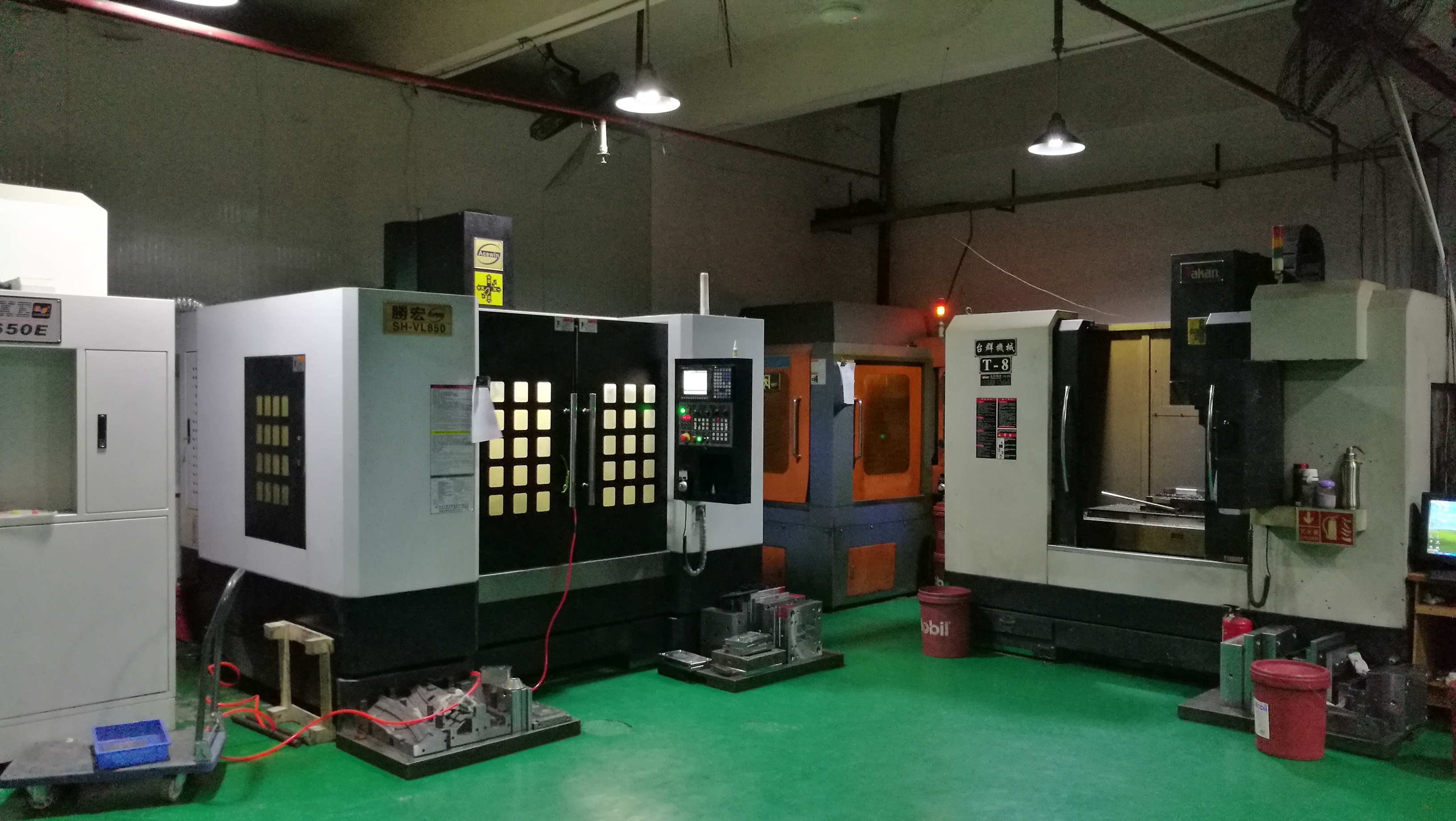
When a customer sends an RFQ for a die-cast component, the first question I ask myself is never about the price—it's about whether the tooling investment makes sense at all. Die casting shines in high-volume, thin-wall, high-precision applications, typically aluminum or zinc alloys with wall thicknesses down to 0.8–1.5 mm. But the tooling itself is a serious commitment: a single-cavity aluminum die-casting mold can run $15,000–$50,000 depending on complexity, and multi-cavity or hot-chamber zinc tools push higher. If the annual volume sits below 10,000 pieces, the amortized tooling cost per part often kills the business case before porosity even enters the conversation.
Porosity is the other elephant in the room. Unlike injection molding, die casting traps gas during high-speed injection, and those micro-voids can surface after machining or leak under pressure testing. For structural or sealed parts, you need to budget for vacuum-assist systems, squeeze pins, or post-cast impregnation—all of which add cost and cycle time. I always flag these risks in the quote stage rather than after PO. On the mold side, H13 or SKD61 tool steel with proper heat treatment and surface coating (like nitride or PVD) extends die life to 100,000–150,000 shots for aluminum, but thermal fatigue cracking is inevitable. Planning for insert replacement and refurbishment cycles keeps the per-part cost realistic.
My rule of thumb: die casting is worth opening a mold when annual volume exceeds 20,000 pieces, wall thickness stays above 1 mm, and the customer accepts a porosity allowance spec. Below that, consider sand casting, gravity casting, or even machining from billet. Get the volume forecast, alloy spec, and tolerance stack in writing before you commit a number. For more mold sourcing and process evaluation resources, visit MoldWorld at www.moldw.com.