Mold Basics That Actually Matter on the Shop Floor
September 11, 2026
When you quote a mold, the first thing to nail down is the classification, because it drives everything else. Stamping dies, injection molds, die-casting dies, and blow molds each carry different steel requirements, tolerance windows, and cycle expectations. An injection mold for a commodity ABS part might run P20 pre-hardened steel with a single cavity; the same geometry in engineering-grade PC with glass fill will push you toward H13 or S136, possibly with hardened inserts. On the shop floor, I have seen quotes swing 40% just because the buyer did not specify the resin or annual volume. Structure matters too: a standard two-plate mold with a cold runner is cheap to build but wastes material, while a hot-runner, three-plate design adds manifold cost and gate-drop maintenance but pays back fast on high-volume jobs. Before you send an RFQ, confirm part geometry, material, cavitation, and expected mold life. That alone prevents most quotation arguments.
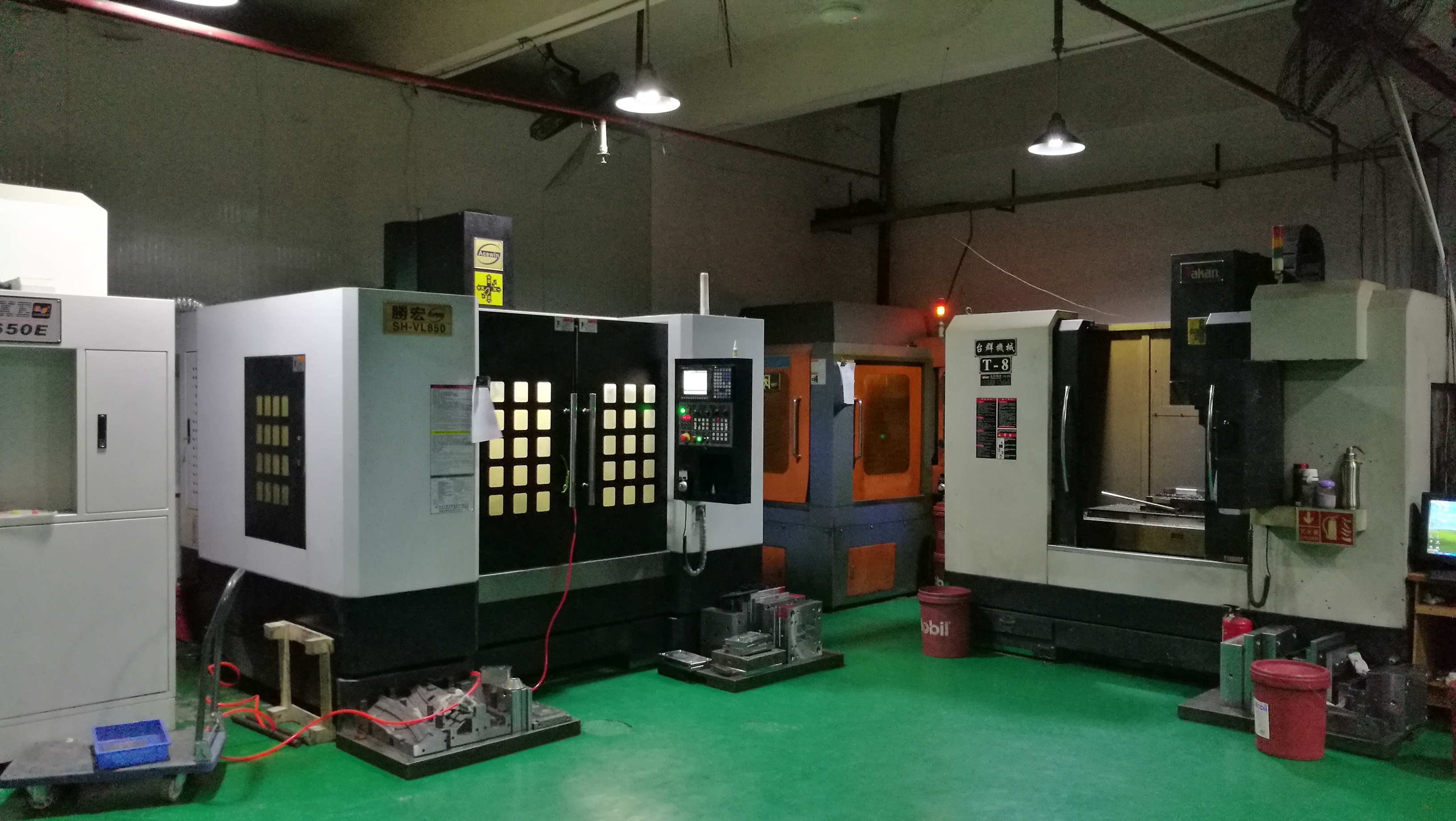
The manufacturing flow is where cost really accumulates. A typical mold goes through DFM review, 3D mold design, steel procurement, rough CNC, heat treatment, precision grinding, EDM for deep ribs and sharp corners, wire-cut for inserts, polishing, fitting, and trial shots. Each step has a tolerance chain. For example, if a core insert needs a 0.005 mm fit, you cannot skip jig grinding or wire EDM, and that shows up in the price. Quoting logic should separate material cost, machining hours, standard components, and risk margin. Do not quote a 500,000-shot mold at the same price as a 50,000-shot prototype tool. Add realistic tryout time, spotting, and texture costs. A mold engineer who understands the flow will always beat a spreadsheet estimator who ignores heat treat distortion or EDM electrode wear.
In practice, the best quotes come from clear communication and a checklist. Ask for the part drawing, 3D model, material spec, annual volume, machine tonnage, and any texture or tolerance callouts. Then break the quote into steel, machining, standard parts, assembly, and trial. Keep a record of actual cycle times and maintenance intervals so your next quote is grounded in data, not guesswork. If you need reliable mold suppliers or want to compare quotes from vetted shops, visit MoldWorld at www.moldw.com for more mold sourcing information.