Mold Quoting Essentials: From Structural Basics to Cost-Smart Decisions
September 08, 2026
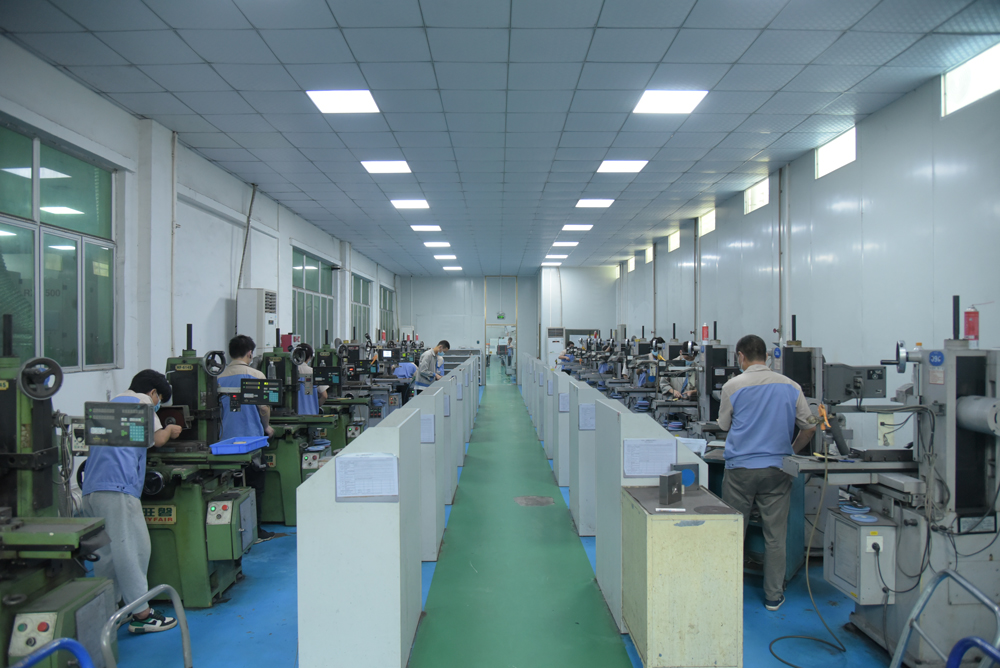
Every mold quote starts with a clear reading of the part’s structural demands. Wall thickness uniformity, draft angles, and undercut locations directly determine the number of slides, lifters, and core pulls—each adding machining time and component cost. For example, a simple two-plate mold for a 100×80 mm housing with 2° draft and no side actions might run 18–22% cheaper than the same part requiring a 12 mm lifter on an internal boss. In practice, we always flag deep ribs or tight corner radii early: they force EDM work and polished inserts, which can add 8–12% to the tooling price. Getting these basics locked before quoting avoids painful change orders later.
Material choice is the second biggest lever on price. P20 for low-volume prototypes, 718H for medium runs, and S136 or H13 for high-cavitation, corrosive resins—each shifts the steel cost by 15–30% per kilogram. But the real cost driver is often the cavity count. Doubling from 2 to 4 cavities rarely doubles the mold cost; it typically adds only 40–60% because the frame, hot runner manifold, and base plates are shared. That’s why we recommend quoting per cavity, not per mold, and always calculating cycle time against amortized tooling. A 12-second cycle on a 4-cavity mold producing 500k parts per year will justify a higher upfront steel grade if it cuts polish downtime by half.
Finally, never quote without confirming the machine tonnage and cooling layout. A mold designed for a 250-ton press but built for 350 tons wastes energy and lengthens cycles. We always include a cooling circuit analysis—channels should be within 10–12 mm of the cavity surface, with turbulent flow for heat transfer. If the part has deep cores, add beryllium copper inserts to pull heat out faster; that can cut cycle time by 15% and directly lowers part cost. For a balanced quote, break down steel, machining, standard parts, and tryout hours separately—this transparency builds trust. And when you need more mold sourcing benchmarks or supplier comparisons, visit MoldWorld at www.moldw.com for practical data and vetted tooling partners.