Professional Email Communication in Mold Quoting: How Presentation Wins the Order
September 08, 2026
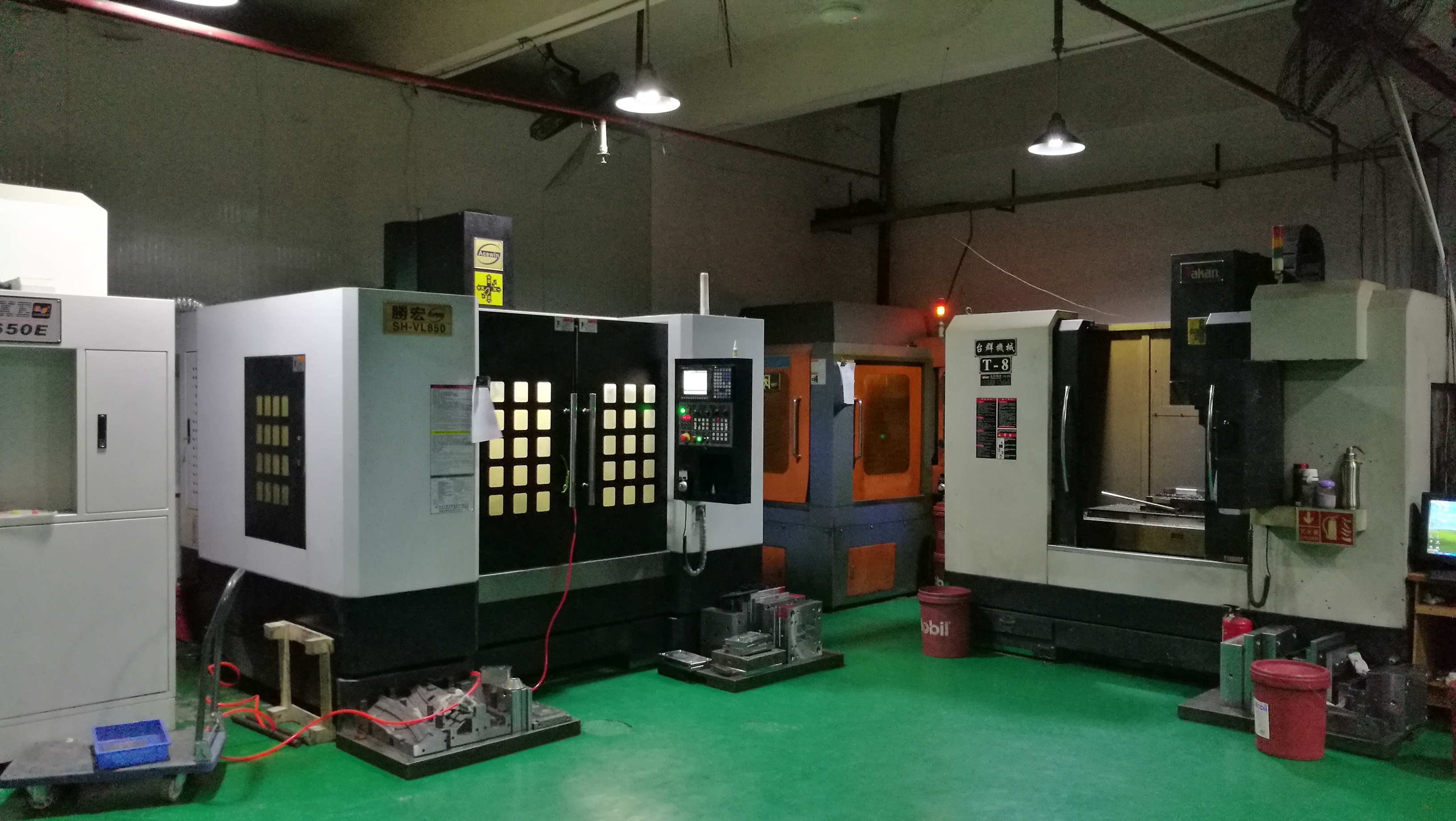
In mold sourcing, the first technical review may take weeks, but the first impression of your quotation email takes seconds. From my experience running a precision injection mold shop, buyers and procurement engineers rarely read beyond the first screen of a quote if the layout is chaotic. They look for clarity: part number, cavity count, steel grade, estimated lead time, and payment terms—all visible without scrolling. A quote that buries the unit price on page three or uses inconsistent units (e.g., mixing mm and inch, or RMB and USD without a fixed exchange rate note) immediately signals poor documentation discipline, which buyers translate into risk of late delivery and sloppy mold trails. One real case: we lost a 40-cavity connector mold order not on price (we were 6% lower than the winner) but because our email had a broken attachment and the subject line read only "Quote." The buyer later told us they assumed our internal process was equally disorganized.
Professional email structure for mold quotes should follow a strict logic: (1) a subject line with the RFQ number, mold type, and revision date—e.g., "RE: RFQ-8821 – 2K LSR Mold – Rev C Quote"; (2) a three-sentence opening that confirms the received drawings, states the quoted mold base size and steel (e.g., 2738H for cavities, S136 for cores), and lists any assumptions (shrinkage rate, gate type, or surface texture like SPI B-2); (3) a summarized table with itemized costs—design, machining, electrode, heat treatment, assembly, and trial shots—plus the total mold price and per-piece price for the agreed annual volume. Always include a validity period (typically 30 days) and a clear "exclusions" line for hot runner systems, mold testing resin, or overseas shipping. I also recommend adding a one-line "risk note" if the part geometry has deep ribs or unsupported cores, because that demonstrates engineering foresight, not just salesmanship.
Beyond the content, the email's tone and attachments matter. Use a PDF for the quote (never Excel, which can be edited and misquoted), name the file with the RFQ number and your company code (e.g., "8821_MW_Quote_RevC.pdf"), and compress 3D files separately if needed. Avoid phrases like "best price" or "we can do it cheaper"—instead, write "our quote reflects the tooling strategy for 500k cycles per year; for 1M cycles, we recommend upgrading to H13 with nitriding, adding 8% cost but reducing maintenance downtime." This kind of specific, data-backed communication builds trust. And always close with a single next step: "We can schedule a 20-minute technical call on Thursday to review the gate location—please advise your availability." When you present yourself as a problem-solving engineer rather than a price-pusher, buyers remember you for the next program. For more practical mold quoting and sourcing strategies, visit MoldWorld at www.moldw.com—a solid resource for real-world tooling negotiations.