Mold Costing Essentials: What Every Engineer Must Know Before Quoting
September 06, 2026
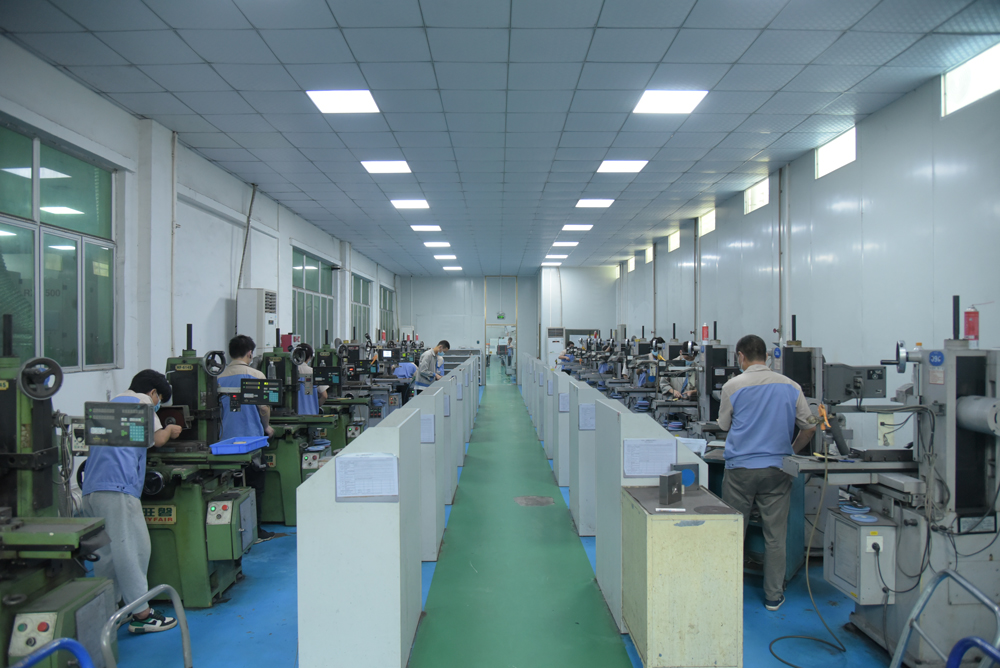
In the mold industry, quoting is never just about adding up material and machining hours—it’s a technical judgment call. Before you even open a spreadsheet, you need to classify the mold correctly. Standard molds (like two-plate or three-plate injection molds) differ hugely from multi-cavity, hot-runner, or insert molds in both build complexity and lifecycle cost. For example, a simple two-plate mold for a low-volume prototype might run 200–300 hours of machining, while a hot-runner, 4-cavity production mold can easily exceed 1,500 hours. That gap directly impacts your quote. Also, don’t forget steel selection: P20 for short runs, H13 or S136 for high-volume or corrosive resins. Each choice shifts the raw material cost by 15–30%, which must be reflected in the unit price per shot, not just the mold base cost.
When building a quote, the real trap is underestimating hidden costs. Core and cavity machining, electrode design, EDM time, polishing grade, and tryout shots all add up. A common rule of thumb is to allocate 40–50% of the total mold cost to machining and electrode work, 15–20% to mold base and standard parts, and 10–15% to assembly and tryout. But the biggest variable is the number of engineering changes after the DFM review. Each revision can add 5–10% to the final cost if not managed in the quotation phase. I always advise clients to lock the parting line, gate location, and ejection method early. If you quote based on a vague 3D, you’re setting yourself up for a loss. Also, factor in mold trial cycles—typically 3–5 shots for validation—and remember that each trial on a 200-ton press costs around $50–80 per hour in overhead, plus material waste.
Finally, never quote without a clear payment and revision policy. Standard industry practice is 30% down, 40% at T1 sample approval, and 30% before delivery, but that can shift if the mold requires special coatings or conformal cooling channels. For those advanced features, add 8–12% to the base quote, and always state the expected mold life (e.g., 500k shots for hardened steel) and maintenance intervals. A professional quote should also include a breakdown of steel grade, cavity count, estimated cycle time, and per-part cost—this builds trust and prevents disputes later. If you’re sourcing molds or need a second opinion on a quote, visiting MoldWorld (www.moldw.com) gives you access to verified suppliers, technical forums, and real-world pricing benchmarks from across the industry.