Injection Molding Cycle Time: The Cost Logic from 3 Seconds to 60 Seconds
September 06, 2026
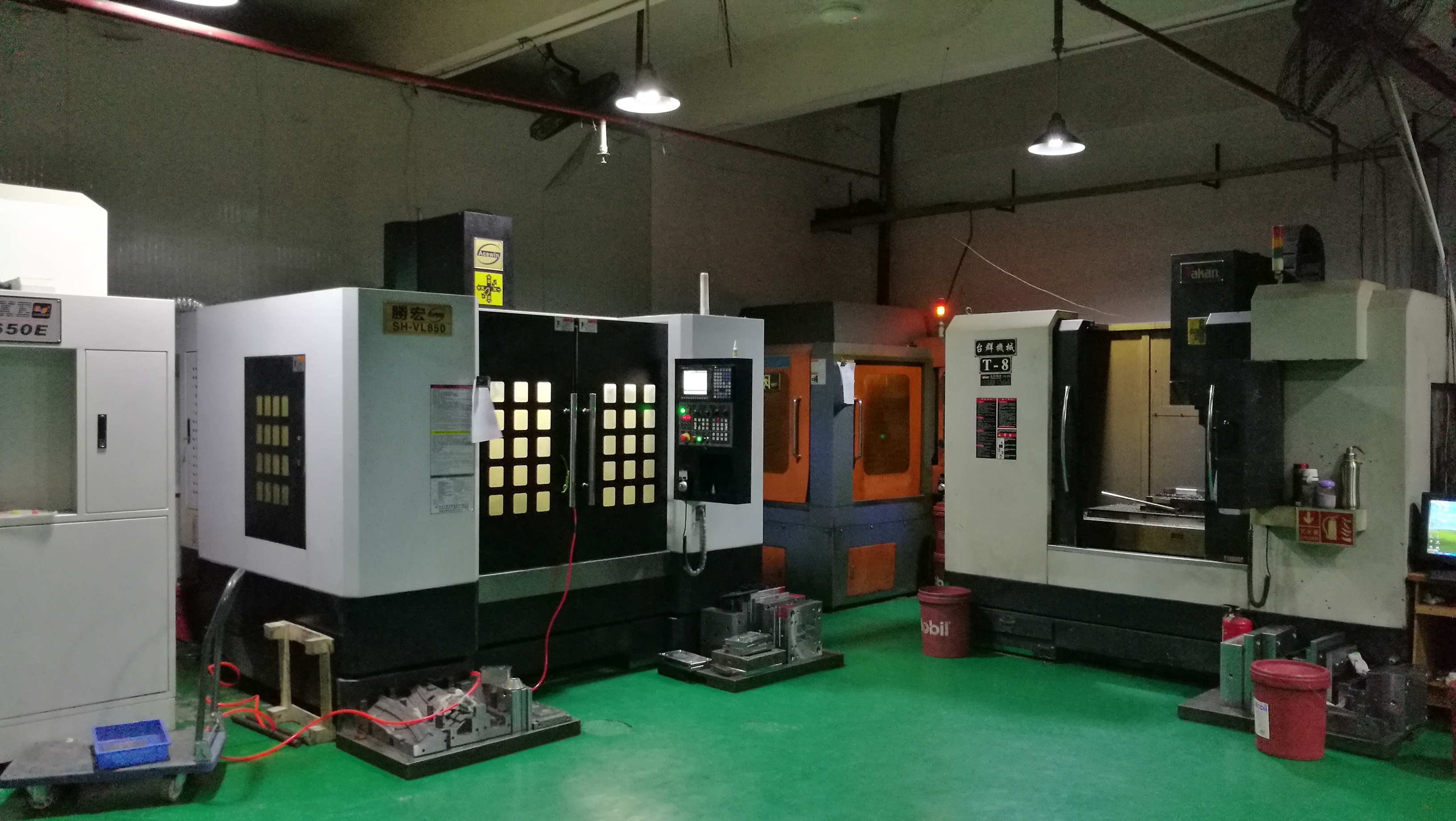
In injection molding, cycle time is not just a machine setting—it is the single most direct lever on your quoted price. A 3-second cycle for a thin-wall cap and a 60-second cycle for a deep-ribbed housing may both run on the same 200-ton press, but the cost per part diverges by an order of magnitude. Take a standard hourly machine rate of $60: at 3 seconds, you produce 1,200 parts per hour, giving a machine cost of $0.05 per part. Stretch that to 60 seconds, and you drop to 60 parts per hour, pushing machine cost to $1.00 per part. That 20x cycle difference translates directly into a 20x jump in machine overhead, before you even factor in labor, energy, and auxiliary equipment. For a mold engineer, this means the first question when quoting is never “what material?”—it’s “what wall thickness and cooling layout allow me to hit a sub-10-second cycle?”
But cycle time is rarely a fixed number—it’s a negotiation between part geometry, mold design, and process window. A 3-second cycle usually requires hot runners, high-efficiency conformal cooling channels, and a material with a low glass transition temperature like PP or PE. Conversely, a 60-second cycle often appears with thick sections (above 4 mm), glass-filled nylon, or parts requiring long packing to prevent sink marks. The hidden cost is not just the cycle itself, but the mold complexity needed to shorten it. For example, adding conformal cooling can cut a 45-second cycle to 30 seconds, but it adds $8,000–$15,000 in mold machining. That investment pays back only if the part volume exceeds roughly 50,000 units per year. Below that, a simpler mold with a longer cycle is actually cheaper per part. Every molder should run this payback calculation before promising a faster cycle in a quote.
Finally, don’t forget the non-machine time that pads your real cycle. Ejection delay, robot take-out, and mold-open dwell can add 2–5 seconds even on a fast cycle, and on a 60-second cycle, that’s just noise. But on a 3-second cycle, 4 seconds of dry-cycle overhead doubles your cost. So when quoting, always separate “injection + cooling” from “handling time.” A realistic quote uses the full dry-cycle time, not the ideal plasticizing time. Also, remember that cycle time affects mold wear—faster cycles mean more thermal shock and more frequent maintenance on slides and lifters. For production tooling, a 15% shorter cycle often brings a 20% higher annual maintenance cost. Keep those numbers in your spreadsheet. For more mold sourcing and cycle-time benchmarking data, visit MoldWorld at www.moldw.com—it’s a practical resource for comparing mold quotes and cooling strategies across shops.