Mold Structure and Process Essentials in Design and Manufacturing
September 06, 2026
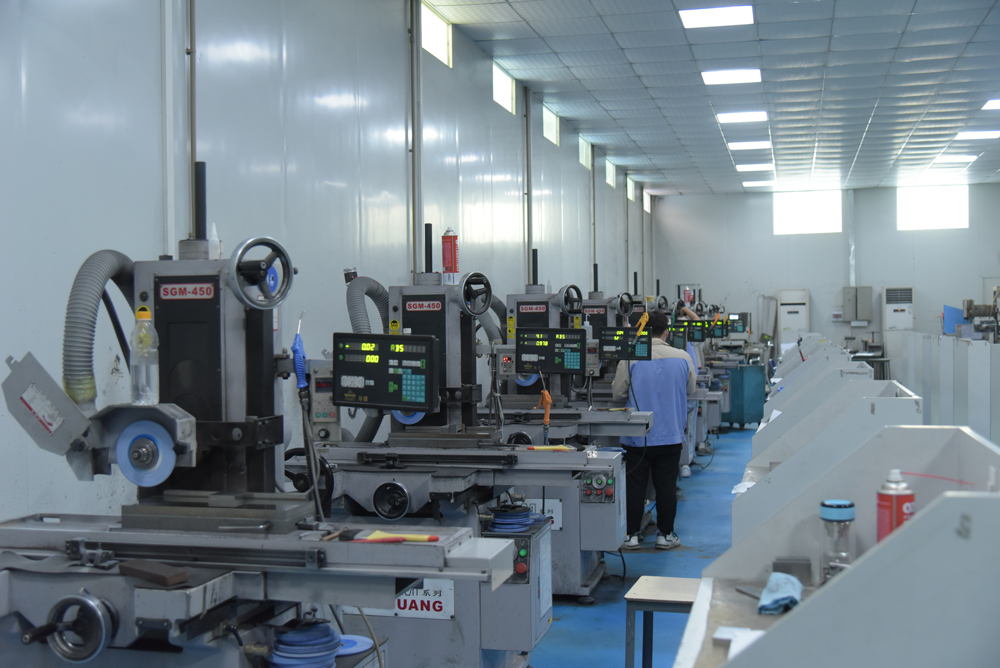
In practical mold engineering, the structural layout is the first line of defense against premature wear and part defects. A well-designed mold must balance rigidity with thermal efficiency—particularly in injection molds where cooling channel placement directly affects cycle time and shrinkage consistency. For example, conformal cooling channels, when machined via additive methods, can reduce cycle time by up to 30% compared to straight-drilled lines, while also minimizing warpage in thin-wall parts. Equally critical is the selection of parting line locations and ejection mechanisms; improper venting or ejector pin spacing often leads to visible sink marks or sticking, which are common rejection causes in high-volume production.
On the process side, the interplay between mold material and heat treatment cannot be overstated. Pre-hardened steels like P20 (28–32 HRC) are cost-effective for low-to-mid volume runs, but for abrasive materials such as glass-filled nylon, a tool steel like H13 (46–52 HRC) with vacuum hardening and nitriding is recommended to extend die life beyond 500,000 cycles. Machining tolerances also demand attention: core and cavity fits typically require ±0.005 mm accuracy, while draft angles of 1–2 degrees per side are mandatory for deep ribs to avoid drag marks. During trial shots, monitoring melt temperature and injection pressure—often within 200–260°C and 80–150 MPa, respectively—helps fine-tune packing parameters and reduce residual stress.
Finally, a robust DFM (Design for Manufacturing) review should precede any steel cutting. This includes checking wall thickness uniformity, avoiding sharp internal corners, and simulating fill patterns to predict weld lines. For companies outsourcing molds, verifying the builder’s capability in EDM, wire-cut, and CMM inspection is essential to ensure dimensional consistency. A practical tip: request a mold flow analysis report before quoting—this reveals potential short shots or air traps early. For more technical comparisons and supplier vetting guidance, visiting MoldWorld (www.moldw.com) provides a solid starting point for sourcing reliable mold makers and tooling solutions.