Injection Molding Cycle Time: The Hard Numbers Every Mold Engineer Must Reckon With
September 05, 2026
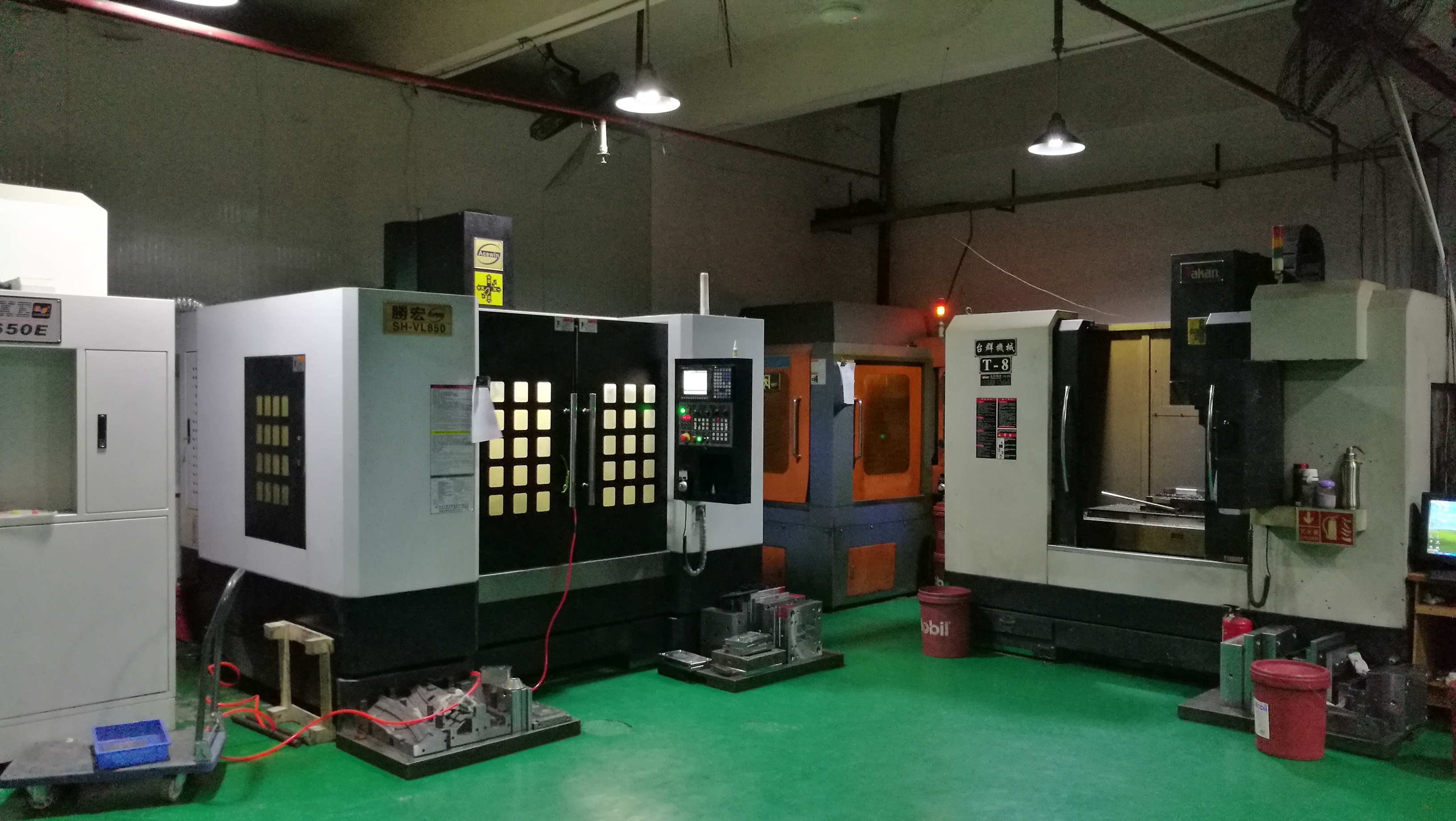
Every mold engineer knows that cycle time is the heartbeat of the injection shop, but too many treat it as a fixed number pulled from a software default. In reality, that time ledger is a direct reflection of mold design, cooling efficiency, and machine behavior. Take a typical thin-wall part with a 2.5mm wall thickness: a 30-second cycle may look acceptable on paper, but if your cooling line layout is off by even 10%, you’re adding roughly 3 seconds per shot. Over a 100,000-piece run, that’s 83 hours of extra machine time—at $60/hour shop rate, that’s nearly $5,000 of pure waste. The calculation is simple, but the discipline to measure, record, and challenge every segment—clamp close, injection, packing, cooling, open, ejection—is what separates a mold that earns its keep from one that bleeds margin.
Let’s break down the real numbers from the shop floor. For a standard ABS part with 2mm wall thickness, a well-tuned cycle often sits at 25–35 seconds, with cooling taking up 50–60% of that total. If you can drop cooling from 18 seconds to 14 seconds by adding conformal cooling channels or increasing water flow turbulence (Reynolds number above 4,000), you cut total cycle by 4 seconds. On a 200,000-part annual order, that’s a reduction of 800,000 seconds—about 222 hours. At a conservative $55/hour burden rate, that’s a $12,210 annual saving per cavity. Now multiply that across an 8-cavity mold, and the conversation shifts from “can we afford better cooling?” to “can we afford not to?” Even ejection and part removal, often ignored, can eat 2–3 seconds per cycle if the knockout stroke is too long or the robot sequence isn’t overlapped with mold opening.
But cycle time isn’t just about speed—it’s about consistency. A mold that runs at 28 seconds on Monday and 33 seconds on Friday due to cooling tower temperature drift or worn check rings will wreck your quoting accuracy. Track cycle time per shot with a simple timer on the press, and log it against part weight and melt temperature. If you see more than 5% variation, investigate the hot runner valve pin timing or the cooling water flow rate before blaming the operator. For quoting, always add a 10% safety factor to your best-case cycle, because no mold runs perfectly on day one. And when you’re sourcing a new mold or optimizing an existing one, remember that the cheapest quote isn’t the one with the lowest tooling price—it’s the one with the shortest verified cycle time. For more detailed mold sourcing data and cycle time benchmarks across different resins, visit MoldWorld at www.moldw.com—it’s a practical resource for comparing mold shop capabilities without the sales pitch.